
Fashion Brand Facebook Ads in Malaysia
How Malaysian fashion labels run Facebook and Instagram ads that survive the sizing question: fit copy, catalog variants, returns, bridal fittings and Meta's imagery rules.
Updated August 2026 · Xanny Lee, CEO
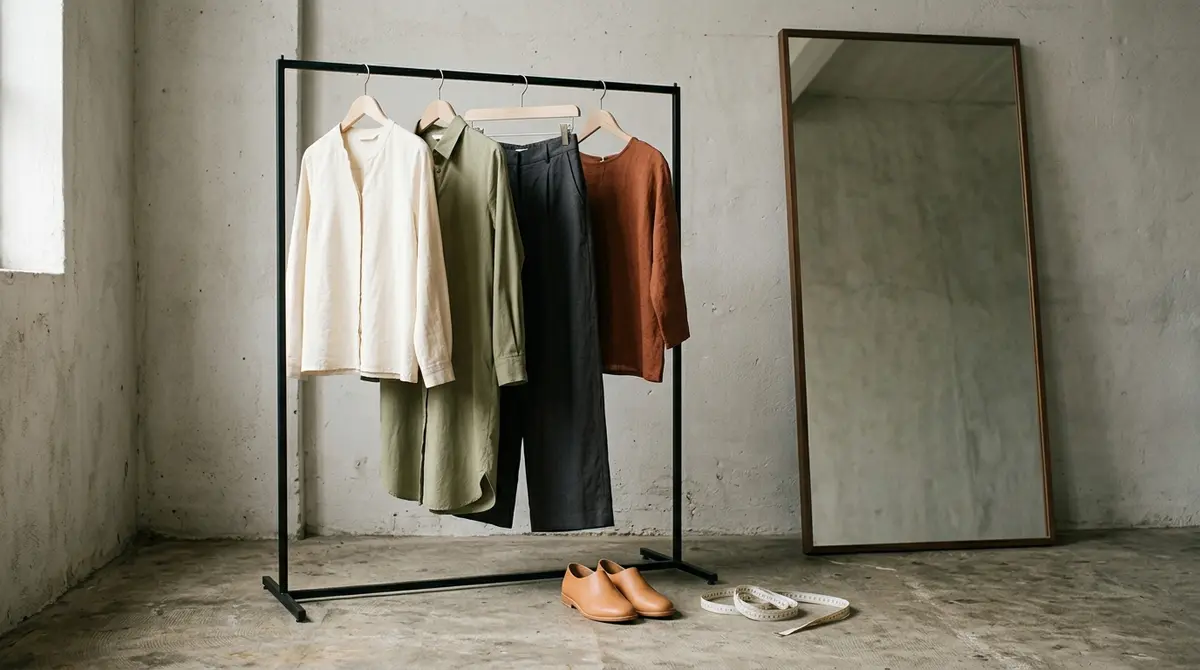
A Malaysian fashion brand rarely loses on Meta because the photo was not pretty enough. It loses because the shopper could not tell whether the piece would fit and could not tell what happens if it does not, so the tap never becomes a purchase. Put the model height, the worn size and the garment measurements into the creative, group every size and colour under one item_group_id so your catalog ads stop repeating the same dress, and state the exchange window in the ad rather than burying it. No dated Malaysian cost-per-purchase benchmark exists for fashion, so judge the account on return-adjusted contribution, not on a borrowed figure.
You have the lookbook, the studio shots and a feed full of scrollers who like the look. What you do not have is a reliable way to turn a saved image into a paid order, because somewhere between the ad and the checkout the shopper asks two questions your creative never answered: will this fit me, and what happens if it does not. Sizing and returns are where Malaysian fashion money leaks, and almost nobody writes ads that close either gap.
The short version
Reach is not your constraint. DataReportal's Digital 2026 report puts Meta's potential ad reach in Malaysia at roughly 23.0 million on Facebook and 16.1 million on Instagram, against a population of about 36.1 million, and Statista put Malaysia's fashion market revenue at US$3.27 billion in 2025 with apparel the largest segment. There are more than enough people, and they are spending. Your constraint is the two questions a fashion ad almost never answers.
Will it fit me. What happens if it does not.
Every other category gets to skip those. A skincare buyer does not need to know her shoulder width; a food advertiser does not lose a sale to a half size. Fashion carries both problems into every single ad, and the brands that handle them well tend to look, from the outside, like brands with better photography. They usually just have better copy sitting underneath the photography: fit written into the creative, a catalog that behaves when one dress carries twelve variants, a shoot that survives Meta's imagery standard, an exchange window stated where a nervous buyer can see it, and a way of reading their own numbers that does not depend on a benchmark nobody has published.
Lookbook or product-led is the wrong argument
Fashion teams burn a lot of energy deciding whether to run styled editorial or clean product shots, as though one wins. Both jobs need doing and they sit at different points in the same decision.
A note on the labels named through this guide. Each is a real Malaysian advertiser and each angle described is one the brand has genuinely used, but they are cited as representative approaches to a problem, not as ads you can go and watch running this afternoon.
The styled frame answers a question about the shopper's life. Where would I wear this, who would I be wearing it, does it belong in my week. Melissa's jelly ballerina photographed on a city street is doing that work, and so is the editorial framing Jianna Studio uses for a black maxi. Nothing about the product is explained in either shot, and nothing needs to be, because at that moment the shopper is not evaluating a garment. She is imagining an occasion.
The product-led frame answers a question about the object. Arden Teal's full-grain leather dress shoe shot plainly, or My Ballerine's jewelled satin heel framed like a portrait, leaves no ambiguity about the material, the shape or the finish. That is the frame a shopper stares at just before she taps, and it is the frame she returns to when she is deciding between two saved options.
Run them together. In a carousel, lead with the styled frame and put the product frame second, because the first card buys the stop and the second card buys the click. In a static ad set, run both as separate creatives against the same audience and let cost-per-purchase pick. What does not work is a feed of nothing but mood, which flatters the brand and teaches the shopper nothing, or a feed of nothing but flat product, which tells her everything except why she should care.
There is a third frame worth budget, and it is the one most Malaysian labels underuse: the piece in motion on a real person. A try-on clip of a ruffled maxi from BoiiLifeshop, a UGC video of Pix Footwear's strappy heels shown in three colours, an influencer co-sign of the kind Lovito runs on new arrivals. Motion resolves drape, weight and how a shoe actually sits on a foot, which no still frame can. Feature-callout creative belongs here too, because a detail like the three swappable laces V-love builds into a pair of red flats has to be demonstrated to register at all.
Sizing is a creative problem before it is a logistics problem
Most brands treat fit as something the product page handles. By then you have already paid for the click, and a shopper who lands on a page still uncertain about size is a shopper you paid to lose.
Move three facts into the creative itself. The model's height. The size she is wearing. One garment measurement that actually decides the fit for that piece, which is chest or waist for most apparel, shoulder for tailoring, insole length for shoes. That is one line of on-screen text. It costs you nothing, it survives being seen with the sound off, and it converts the vague hope that something might fit into a checkable fact.
Then add a fit verdict in plain words. True to size. Runs small, take one up. Generous through the hip. Non-stretch, measure before ordering. Fashion buyers read those four-word verdicts far more carefully than they read a size chart, because a chart transfers the work back to them and a verdict does the work for them.
Some of the strongest fit angles in the Malaysian feed are the ones built entirely around who a garment is for. BOS has advertised shorts that fit big brothers over 120kg, which is a fit claim doing the job of a product claim: it tells a specific shopper that the sizing problem he has had everywhere else does not exist here. Sacoor Brothers has run a regular-fit formal suit in 100% wool, and the word regular is carrying real weight, because a man buying a suit online is doing arithmetic about his own shoulders. Nuret.asia sells genuine-leather sandals as comfortable from office to errands, which is a comfort claim, and a comfort claim in footwear is a fit claim wearing different clothes.
Expect the sizing conversation to continue after the ad. Malaysian shoppers ask about fit in chat, constantly, and click-to-WhatsApp is the natural place to catch it. A message that starts from a click-to-WhatsApp ad opens what Meta's 2025 WhatsApp Business Platform pricing documentation calls a free entry point conversation, in which your messages are not charged for 72 hours, which is a generous runway for a human to answer a measurement question and save an order. Have the size chart, the model stats and the two most common fit answers saved as quick replies before you spend anything, because a sizing question that sits unanswered overnight is a sale that went somewhere else.
Footwear carries a fit problem all its own
Apparel sizing is ambiguous. Footwear sizing is worse, because Malaysian buyers move between UK, EU and US numbering without a stable reference point, and a woman who is a 39 in one label and a 40 in another cannot resolve that from a conversion table.
Publish insole length in centimetres and make it the primary number. Show the UK, EU and US equivalents next to it rather than instead of it. A centimetre figure is checkable: the shopper measures a shoe she already owns and knows in half a minute. That single change does more for footwear conversion than most creative work, and it does more for your exchange rate than any packaging upgrade.
Construction deserves a sentence too. A moulded or jelly shoe of the kind Melissa is known for does not break in the way a leather upper does, so a half size of tolerance that exists in a dress shoe simply is not there. Say so. Zeve Shoes sells dress shoes for the modern gentleman and Arden Teal sells full-grain leather, and in both cases the material implies a break-in period the buyer should be told about rather than left to discover. A strappy heel, a Mary Jane like the Flo that Hijack Sandals runs, and a slide all fail differently when the size is off, and a one-line note about where the pinch happens preempts the exchange.
Heritage names in the feed play this differently again. Bata trades on decades of Malaysian familiarity, and Onitsuka Tiger on a silhouette people already know, so their shoppers arrive with a size in mind. Most labels do not have that luxury and have to hand the shopper the number.
Make the catalog behave before you scale the spend
The moment a fashion brand turns on dynamic ads, the sizing problem becomes a data problem. One dress in four sizes and three colours is twelve rows in a feed, and unless you tell Meta they belong together, dynamic ads will show a shopper all twelve.
Meta's commerce catalog documentation is explicit about the fix. The item_group_id field, in Meta's own words, allows you to set up variants of the same product, such as different sizes, colors or patterns. Fill it with a shared parent code across every variant of one style and the twelve rows collapse into one product with twelve options. Three neighbouring fields do the rest of the work:
| Field | What Meta's documentation says it holds | Why a fashion feed needs it |
|---|---|---|
item_group_id | Variants of the same product, such as different sizes, colors or patterns | Stops one dress occupying twelve carousel cards |
size | The size written as a word, abbreviation or number, such as Small, XL, 12 or One size | Lets a shopper see her size is stocked before she clicks |
color | The main colour of the item, described in words rather than a hex code | Makes colour ranges browsable and readable in the card |
gender | Supported values female, male, unisex | Keeps menswear out of a womenswear shopper's feed |
age_group | Accepted values including adult, teen, kids, toddler, infant | Separates a kids range from the main line |
Get those five right and a dynamic campaign starts showing breadth instead of repetition. Get them wrong and you pay to show the same navy dress to the same woman five times, which reads to her as a brand with one product and a persistent ad. If your catalog is not set up yet, the mechanics are covered in the Meta product catalog setup guide; the fashion-specific part is simply that variants matter more here than in any other retail category.
One discipline that pays off later: keep availability accurate at the variant level, not the style level. A style marked in stock while the only remaining size is a 42 sends shoppers to a page that cannot serve them, and every one of those clicks was paid for.
Returns and exchanges belong in the ad
Fashion has the highest uncertainty of any retail category at the moment of purchase, so the exchange policy is not administrative detail. It is the thing that makes the purchase feel safe enough to attempt.
Put it in the creative. A window in days, who pays the return postage, and whether it is a refund or a store credit. Three facts, one line. Brands hide this in a footer link out of an instinct that mentioning returns invites them, which gets the psychology backwards: an unstated policy reads as no policy, and a shopper who cannot see one assumes the worst and does not order at all. A stated fourteen-day exchange, buyer-paid postage, is a weaker offer than free returns and still converts better than silence.
There is a disclosure dimension too. The governing instrument is the Consumer Protection (Electronic Trade Transaction) Regulations 2024, P.U.(A) 449/2024, in force from 25 December 2024, which revoked the 2012 Regulations that most Malaysian e-commerce checklists still describe. Regulation 3(1) requires an online marketplace supplier to disclose the items in the Schedule on the online marketplace, and the Schedule includes the terms and conditions of the sale and purchase and the estimated time of delivery. The duty attaches to the marketplace rather than to each individual advertisement, and whether a shop running on a Facebook Page sits inside those definitions is genuinely unsettled rather than settled against you. The full reading is in the guide to online seller disclosure rules. What is worth doing regardless is keeping the price and the delivery estimate in the ad identical to the ones on the page it points at, because a mismatch is a customer problem long before it is a regulatory one.
Then measure returns as part of the campaign rather than as a warehouse issue. An ad set that produces cheap orders with a high exchange rate is not outperforming an ad set with dearer orders that stay sold, and only a return-adjusted view shows you that.
What Meta's imagery rules do to a fashion shoot
Swim, intimates, bodycon and anything cropped runs into a standard most fashion advertisers have never read. Meta's Adult Nudity and Sexual Activity ad standard, current in the 2026 Transparency Center, states that ads must not contain imagery depicting nudity, sexual activity, or depictions of people in explicit or sexually suggestive positions.
Two specifics matter for a fashion brand. The standard prohibits depicting nudity or near nudity, and it names nudity covered only by a digital overlay as an example, which catches the sheer-fabric and strategic-blur treatments that are routine in intimates photography. Separately, it age-restricts rather than bans a second tier: imagery focused on individual body parts such as groin, buttock or female breasts, and imagery depicting people in sexually suggestive poses, revealing clothing, or stripping, has to be targeted to people 18 and over.
That gives you a workable shooting brief.
| Shot | Standing risk | Safer construction |
|---|---|---|
| Sheer or mesh piece with digital blur | Near nudity, covered only by an overlay | Shoot the piece over an opaque base layer, full frame |
| Tight crop on the seat of a pair of jeans | Focused on an individual body part, 18+ restricted | Full-body standing frame, garment centred |
| Bikini shot in a reclining pose | Sexually suggestive position | Standing, front-on, product-first, styled like a lookbook |
| Lingerie campaign to a broad audience | Revealing clothing, 18+ restricted | Same creative, minimum age set to 18 |
None of this stops you selling the category. It pushes you toward product-first framing, which for a fashion brand is usually the better ad anyway, because a full-body frame shows drape and proportion and a crop shows neither. If an ad is rejected, read the specific standard named in the notice, change the frame it objects to, and resubmit rather than rebuilding the whole concept.
Bridal and occasionwear run on a different clock
A bridal house advertising on Meta is not selling a product, it is selling an appointment, and campaigns that measure themselves on purchases will look broken forever.
The consideration window is long. A bride researches for months, compares houses, and books fittings before she commits to anything. Designer Bridal Room has advertised new gowns as available to rent or to buy, which is the right structure for the category, because the rent-or-buy answer is one of the first things a bride needs and giving it upfront filters out the enquiries that were never going to convert. Optimise for the booked fitting, run click-to-WhatsApp or a lead form, and judge the account on cost-per-booked-fitting and the rate at which fittings become orders.
Traditional and occasion houses sit in the same rhythm. A songket or heritage piece is bought against a date, and a label like Songket Dunia is selling into a calendar the customer already holds. Volume is lower than in ready-to-wear and the value per order is far higher, which changes what an expensive click means: a cost-per-enquiry that would be alarming for a RM89 top can be comfortable against a gown.
The wider mechanics of advertising against a wedding timeline, including the audience most vendors throw away, are covered in the wedding vendor guide. The fashion-specific part is that your creative is selling a fitting room, so show the fitting room: the gowns on a rail, the alteration, the attention. That is what a bride is choosing between.
Reading the category without guessing
Before you commission a shoot, spend an hour looking at what the category is already doing. Meta's free Ad Library lets you search any active advertiser and see the creative they are currently running, which is the correct starting point and costs nothing.
Read it structurally rather than aesthetically. How does a footwear label frame a single product against a styled scene. Where does a fit or measurement note appear in the creative, if it appears at all. Which brands are running carousels of one style in multiple colours and which are running a mixed collection. How many advertisers state an exchange policy on the image itself, which in this category is still surprisingly few, and therefore still an opening.
For a faster pass across many labels at once, the archive of real Malaysian fashion ads groups footwear, apparel, inclusive-fit and bridal advertisers side by side, so you can compare framing and format without opening a dozen Pages one at a time.
One caution about what you can conclude. Neither the public Ad Library nor any archive built on it publishes performance data for ordinary commercial ads, so nothing you see there tells you what worked. How long an ad has apparently been running is not evidence either, because that figure depends on when the archive last looked. Treat everything you find as a catalogue of approaches, not a leaderboard.
What it should cost, honestly
Here is the part most category guides skip. There is no dated, primary Malaysian cost-per-purchase, cost-per-add-to-cart, CPM or ROAS benchmark published for fashion advertisers that this page can point you to. Any confident RM figure circulating in local marketing posts is unsourced, and building a budget on it is building on a guess.
Foreign aggregates exist, published for other markets in other currencies over other date ranges. They can tell you how costs behave in a competitive retail vertical. They cannot tell you what a purchase costs in Malaysia, and converting one into a Malaysian average would be inventing a number rather than reporting one, so no such conversion appears here.
Your own account is the benchmark, with one adjustment that fashion specifically requires. Track four numbers together:
| Number | Why it matters in fashion |
|---|---|
| Gross cost-per-purchase | The figure Ads Manager shows, and the one that flatters you |
| Return and exchange rate against those orders | Lands two to four weeks later, and moves the real number a lot |
| Net contribution after return shipping and restocking | The only version that reflects what you kept |
| Repeat purchase rate within 90 days | Decides how much you can afford to pay for the first order |
Run for at least two to three weeks before judging anything, so the campaign clears its learning period and you have enough orders for the average to mean something. Then wait for the returns window to close before you call a winner. A brand that scales on gross cost-per-purchase in week two and discovers a thirty percent exchange rate in week six has scaled the wrong ad set with real money.
Change one variable at a time when you do act. The offer, the creative, or the audience, never all three, or you will not know which one moved the number.
Putting it together
Fashion on Meta rewards the unglamorous work. The photography gets attention, and attention is genuinely the first hurdle, but the sale is closed by the height-and-size line on the image, the insole measurement in centimetres, the item_group_id that stops your catalog repeating itself, and the exchange window stated where a nervous first-time buyer can see it. Those four things are invisible in a portfolio and decisive in an account.
Build the loop in that order. Shoot the styled frame and the product frame for every style. Write the fit verdict before the caption. Fix the feed so variants behave. State the returns policy in the creative. Then measure return-adjusted contribution and let it, rather than a borrowed benchmark, tell you when to spend more. Keeping the research, the creative and the measurement in one place is what a platform like AdPlay.ai is for, though the discipline matters far more than the tooling: the brands that grow in this category are simply the ones that stopped making the shopper guess.
By the numbers
Frequently asked questions
Should I put sizes and measurements in the ad itself or only on the product page?
Put the short version in the ad and the full version on the product page. The shopper deciding whether to tap is not going to hunt for a size chart, so the creative needs the three facts that settle the question fastest: the model's height, the size she is wearing, and one garment measurement that matters for that piece, usually chest or waist for apparel and insole length for shoes. That is a single line of on-screen text and it removes the main reason a fashion tap dies on the landing page. Keep the full chart, the fabric stretch note and the fit advice on the product page where a serious buyer will read it properly. The ad's job is to stop the shopper wondering, not to teach the whole size system.
Why do my catalog ads keep showing the same dress twelve times?
Because each size and colour is being treated as a separate product. Meta's commerce catalog documentation defines item_group_id as the field that, in its words, allows you to set up variants of the same product, such as different sizes, colors or patterns. Without it, a dress in four sizes and three colours enters the catalog as twelve unrelated items and dynamic ads happily show a shopper all twelve. Fill item_group_id with a shared parent code for every variant, then fill size with the size written as a word, abbreviation or number, and color with a colour named in words rather than a hex code. Once the variants are grouped, one product occupies one card and the carousel starts showing range instead of repetition.
Will Meta reject my swimwear or lingerie ads?
Not automatically, but the standard is stricter than most fashion advertisers expect. Meta's Adult Nudity and Sexual Activity ad standard, current in the 2026 Transparency Center, says ads must not depict nudity or near nudity, and it names nudity covered only by a digital overlay as an example of near nudity, which catches the sheer-fabric and strategic-blur shots that are common in intimates photography. Separately, imagery focused on individual body parts such as groin, buttock or female breasts, and imagery depicting people in sexually suggestive poses, revealing clothing or stripping, is age-restricted to people 18 and over rather than banned outright. The practical read for a swim or intimates label is to shoot the garment in a full-body, standing, product-first frame, avoid crops that isolate a body part, and set the audience to 18-plus when the imagery is genuinely revealing.
Do I have to state my return policy in a Facebook ad in Malaysia?
The instrument to read is the Consumer Protection (Electronic Trade Transaction) Regulations 2024, P.U.(A) 449/2024, which came into operation on 25 December 2024 and revoked the 2012 Regulations that most e-commerce checklists still quote. Regulation 3(1) requires an online marketplace supplier to disclose the items in the Schedule on the online marketplace, and those items include the terms and conditions of the sale and purchase and the estimated time of delivery. The duty attaches to the marketplace rather than to each advertisement, and whether a shop that lives on a Facebook Page or an Instagram account falls inside the definitions is genuinely unsettled. Commercially the answer is simpler than the legal one: an exchange window stated in the ad converts better than one a shopper has to go looking for.
What should a fashion purchase cost me on Meta in Malaysia?
There is no dated, primary Malaysian cost-per-purchase, cost-per-add-to-cart or ROAS benchmark published for fashion advertisers, so any confident RM figure you find in a local blog post is unsourced and should not shape your budget. The US and global aggregates that do exist are published for different markets, different currencies and usually different date ranges, and converting one into a Malaysian average would be inventing a number rather than reporting one. Read your own account instead, and read it return-adjusted: gross cost-per-purchase flatters every fashion brand until returns and exchanges land three weeks later. Track gross purchases, returns against those purchases, and contribution after return shipping, then let that figure decide how hard you scale.
Lookbook or plain product shots: which one actually converts?
They do different jobs and the mistake is running only one. The styled lookbook frame sells the occasion and answers where would I wear this, which is what moves someone who does not yet know your label; editorial framing of the kind Jianna Studio uses for a black maxi, or Melissa's jelly ballerina photographed on a city street, works because the shopper places the piece in her own week. The clean product-led frame answers what exactly am I buying, and that is the shot that closes: Arden Teal's full-grain dress shoe or My Ballerine's jewelled satin heel framed like a portrait leaves nothing about the item ambiguous. Run both in the same ad set, keep the styled frame first in a carousel and the product frame second, and let cost-per-purchase rather than taste settle the order.
How do I advertise bridal gowns when the customer books a fitting instead of buying online?
Treat the appointment as the conversion event and stop measuring the campaign on purchases. A bridal buyer needs a date, a fitting slot and a rent-or-buy answer before she commits anything, which is why a house like Designer Bridal Room has advertised new gowns as available to rent or to buy rather than pushing a checkout. Run click-to-WhatsApp or lead forms, optimise for the booked fitting, and accept a consideration window measured in weeks rather than hours. Your ad only has to earn the appointment. Cost-per-booked-fitting and fitting-to-order rate are the two numbers that tell you whether it is working, and the broader mechanics of selling into a wedding timeline are covered in the wedding vendor guide on this site.
How do I handle footwear sizing when buyers use UK, EU and US numbers?
Publish insole length in centimetres and treat it as the primary number, with UK, EU and US equivalents shown alongside it rather than instead of it. Malaysian footwear shoppers mix all three systems, often within one household, and a shopper who is a 39 in one brand and a 40 in another cannot resolve that from a conversion table alone. A measured centimetre figure she can check against a shoe she already owns can be resolved in thirty seconds. Add a plain fit note where the last runs narrow or wide, say so for moulded and jelly constructions that do not break in, and put the sentence into the creative rather than only the size chart. Exchange rates in footwear are driven by half-size ambiguity more than by taste.
Sources
- 1.DataReportal - Digital 2026: Malaysia (2026)
- 2.Statista - Fashion, Malaysia (2025)
- 3.Meta Transparency Center - Adult Nudity and Sexual Activity ad standard (2026)
- 4.Meta for Developers - Commerce catalog supported fields (2026)
- 5.Meta for Developers - WhatsApp Business Platform pricing (2025)
- 6.Consumer Protection (Electronic Trade Transaction) Regulations 2024, P.U.(A) 449/2024, gazette text (2024)
Keep exploring
Turn ad research into winning ads
See what 16,000 Malaysian brands advertise, then generate on-brand creative, all in one tool.
7-day free trial · No credit card required