
11.11 Ad Ideas for Malaysian Brands (2026)
The 11.11 angles Malaysian brands run every year: early-bird vouchers, flash-sale urgency, bundles, livestream tie-ins, and when to launch each one.
Updated August 2026 · Xanny Lee, CEO
The 11.11 ads that work in Malaysia follow the sale's rhythm: tease vouchers and bundles from late October, switch to flash-sale urgency on 10-11 November, then retarget warm shoppers through 12.12. Shopee Malaysia's 2024 campaign opened on 26 October and shoppers claimed 38 million vouchers across it, so a brand that starts advertising on the morning of 11 November has missed most of the window. Build your custom and lookalike audiences before the teaser launches, lead every ad with a concrete mechanic (a price drop, a tiered bundle, free shipping, or a gift with purchase), and capture emails as you go so the same shoppers convert again in December.
By early November the Malaysian feed turns into one long price war. Every competitor is shouting a discount, marketplace vouchers reset daily, and the ad auction gets more crowded by the hour. Southeast Asia's online shopping is still growing fast (regional e-commerce GMV reached US$157.6 billion in 2025, up about 23%, with Malaysia growing the second-fastest in the region at roughly 48% year on year), so the prize is real, but so is the noise. The brands that come out of 11.11 with margin intact are rarely the loudest on the day itself: they primed demand in late October, built their audiences before the auction got expensive, gave shoppers a mechanic worth choosing over the platform voucher, and kept selling to warm pools into 12.12. This playbook walks the angles, the audiences, the numbers to watch, and the timing that ties them together.
The teaser week: shape demand and build audiences before November
11.11 stopped being a one-day event years ago. Shopee Malaysia's 2024 campaign opened on 26 October and ran to 13 November, a nineteen-day window around a single peak, and Lazada Malaysia centred its biggest 2024 push on 10 to 13 November. Malaysian shoppers behave the way the platforms have trained them to: they browse early, wishlist what they want, stack vouchers for weeks, then buy in a burst when the clock turns.
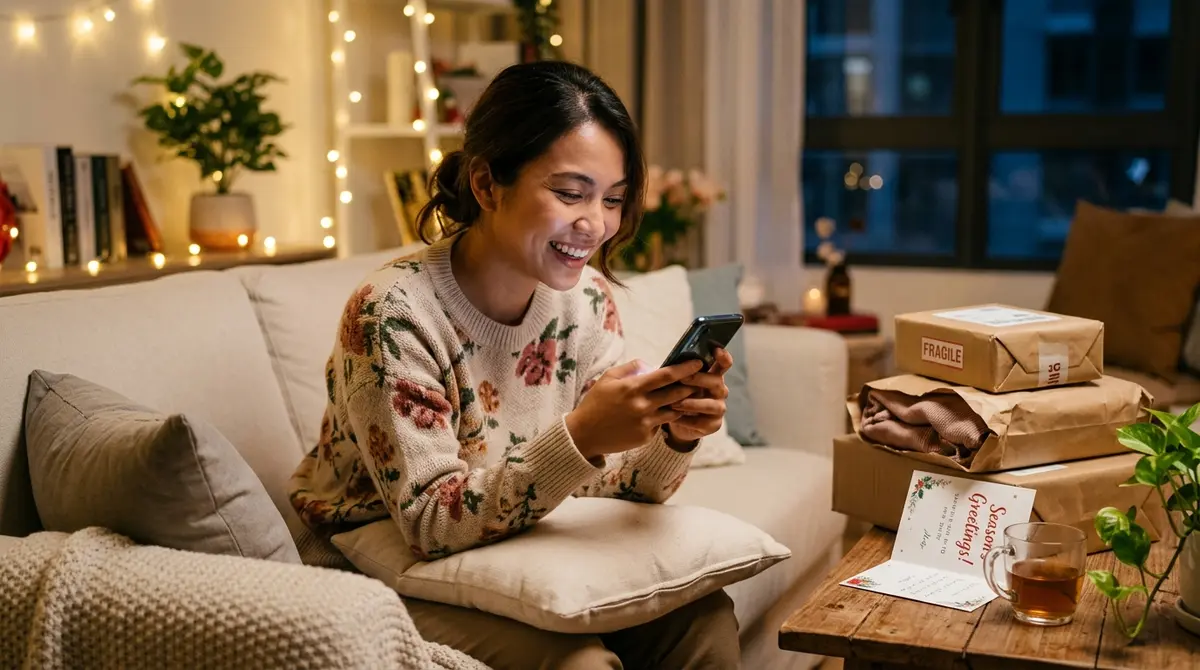
Your teaser creative should meet that behaviour. Three angles earn their budget in the last week of October. An early-bird voucher claim ("claim RM15 off now, use it on 11.11") captures intent before a single ringgit changes hands. A price reveal names the sale-day number ahead of time, so shoppers can do the math and wait for you instead of a rival. A wishlist prompt tells them exactly which bestsellers will drop, which matters when carts are assembled days in advance. Statics carry all three; add one 10-15 second Reel teasing the hero deal. Launching by the end of October also gives Meta's learning phase a quiet week to optimize before the auction crowds.
The teaser week is also when you build the pools, because much of the 11.11 playbook is about who sees the ad, not just what it says, and reaching a Malaysian shopper gets expensive in November. Three audience types do the heavy lifting, and they map to the waves of the sale.
- Custom audiences are your warmest: past purchasers (the last 180 days), website visitors, add-to-cart and checkout abandoners, teaser-video viewers, and your email or phone list uploaded as a customer file. They convert cheapest because they already know you, so they carry the early-access and loyalty pre-sale offers.
- Lookalike audiences find new buyers who resemble your best ones. Build a 1% lookalike off your purchasers or highest-value customers, then widen to 2-3% for scale on peak day. This is the prospecting engine for the cold side of the auction.
- Exclusions keep you from paying twice: suppress recent buyers from prospecting (no point spending a peak-season impression on someone who checked out yesterday), and keep your retargeting pool out of cold campaigns so the two never overlap and inflate frequency.
Cold lookalikes carry the teaser reach, custom audiences get early access, and abandoner and engager pools get the final-hours push on 11 November. If you run Advantage+ shopping, feed the same lists and exclusions as signals and let it find the rest.
Sale day: urgency with a real clock
The peak runs on a cadence, not a single blast. Shopee's 2024 campaign reset free shipping at midnight and staged its biggest livestream giveaways at 12 PM and 8 PM, so Malaysian shoppers already check their phones at those hours. Mirror the rhythm with three waves: a midnight launch ad (prices drop now), a daytime reminder carrying social proof or a selling-fast line, and a final-hours push on the evening of 11 November. Flash windows sharpen each one: a gold retailer running a numbered deal for a few hours tells a tighter story than a storewide percentage that sits unchanged all day.
Format follows urgency: vertical video under 15 seconds with the price in the first frame, bold statics a thumb can read in one second, a carousel when several deals share one budget. Remember who you are bidding against. Facebook alone reached 23.0 million people in Malaysia at the end of 2025, by DataReportal's count, and in the second week of November every brand in the country wants the same feed. A generic red "11.11 SALE" banner disappears in that auction. A named product at a named price does not.
What the November auction actually costs
The guide keeps saying November is expensive. Here is the number behind it. Gupta Media's CPM tracker, which reads Meta's own delivery data across thousands of accounts, put Meta's annualized average CPM at about US$7.43 in 2024. On Cyber Monday (2 December 2024) that same CPM hit US$17.70, which Gupta Media flags as 138% more expensive than the annual average. Black Friday (29 November 2024) ran US$16.85, and the single priciest ISO week of the year (25 November to 1 December) averaged US$13.42, close to double the annual mean. The Q4 premium is structural, not a one-off: Meta's fourth-quarter CPMs ran about 17% above the rest of 2023 before the seasonal peaks even landed.
The baseline those peaks tower over is itself rising. WordStream's 2025 benchmarks, reported by Search Engine Land, put Meta's median cost per lead up 21% year on year to US$27.66, the cost of getting one sign-up climbing even before the seasonal peaks land on top of it. Reaching a shopper gets more expensive every year, and the second week of November is the worst of it. Malaysia's 11.11 sits inside the same global Q4 auction these figures describe, so a brand that launches cold on the morning of 11 November is buying the most expensive impressions of the entire year with an ad set that has not finished learning. That single fact is the whole argument for the teaser week: you prime demand and lock your audiences in late October, when impressions are cheaper and learning is quiet, so that on peak day you are spending warm and optimized into a costly auction instead of starting from zero inside it.
Pacing the budget across the ramp
There is no universal split, but the cost curve above gives you a defensible starting frame. Run a light teaser slice in late October, enough to build the custom and lookalike pools and seed the learning phase, not enough to burn budget on impressions that do not convert yet. Concentrate the largest share on the 10 to 11 November peak, when intent and conversion are highest. Then hold a meaningful slice back for retargeting through 13 November and into 12.12, where the warm pools you already paid to build convert cheapest.
The pacing rule that follows from the CPM data is simple: because peak-day impressions are the costliest of the quarter, the spend that lands there has to be the warmest, highest-intent audiences, not cold prospecting. Do your cold reach in the teaser window at teaser prices. Reserve the expensive 11 November auction for abandoners, engagers, past buyers, and tight lookalikes who are most likely to convert at the moment impressions cost the most. Whatever the split, set each ad set's daily budget high enough to exit Meta's learning phase (a rough floor: if a sale-price purchase costs you around RM40 and the phase wants about 50 of them inside a week, an ad set under roughly RM280 a day can struggle to ever stabilize), and shift budget toward whichever ad sets hold their cost per result rather than splitting evenly and starving every test.
Mechanics that outwork a bare percentage
The marketplaces already own the generic discount. Through the 2024 campaign Shopee handed out RM11 million in livestream vouchers every day and pledged triple refunds in coins if a shopper found a lower price elsewhere. Your ad cannot out-voucher that, so it has to offer a mechanic the platform cannot:
- Tiered bundles reward bigger carts. A cosmetics brand running 10% off one, 17% off two, 23% off three turns a single purchase into a stocking-up trip.
- Free shipping or free COD removes the last objection on items under RM100, the band where a delivery fee quietly decides the sale.
- Price anchors make the deal legible. An air purifier at RM569, down from RM699, reads instantly; an unanchored 18% off makes the shopper do homework.
- A gift with purchase protects margin better than a deeper cut, and the free item photographs well in a static.
- Social proof carries brands that refuse to discount deeply. Three million bottles sold is its own reason to buy on a day shoppers are primed to spend.
- Gamified reveals (a spin-to-win wheel, a mystery code, an email-for-discount unlock) turn the offer into an action and build a list at the same time. Across 1.24 billion popup displays tracked by Omnisend in 2025, gamified spin-to-win sign-up popups (Omnisend's "Wheel of Fortune" format) converted at 3.5% against about 2.0% for standard ones, close to double. Run the wheel on the landing page, not in the ad, so the ad's only job is to send qualified traffic to it.
The ad examples on this page show these mechanics in the wild. They are representative sale and offer angles from real Malaysian brands across the year, not ads currently running for 11.11. Read them closely, because the lesson is why each one converts. Jealousness stacks 10/17/23% off so the deepest discount sits at the largest cart, which nudges a three-unit purchase. Dasher prints RM569 next to a struck-through RM699 so the saving is legible in the half-second a thumb pauses. Beyond Collagen+ leads on "three million bottles sold" because a proof number persuades where a bare percentage would blend in. When you brief your own creative, copy the reasoning, not the layout: put the strongest number where the eye lands first, make the saving anchor-able, and give one reason specific to you. Format follows the mechanic, too: bundle plays often run as video with the full set in hand, while price drops live comfortably in a single static.
One mechanic carries a campaign only if the creative stays fresh, and a window from late October to mid-November is a long time for one ad to do that. Meta's delivery rewards fresh variants, so ship three to five creatives per ad set and have the next batch built before the first fatigues. The cheapest refresh is not a new shoot but a new angle on the same offer: swap the hook line, lead with a different proof point, change the opening frame, cut a fresh livestream clip. Each wave (teaser, peak, final hours, follow-through) wants its own message anyway, so brief them as a set up front, and front-load production in September and October when media is cheaper and your team is not firefighting.
Ad angles by category
The mechanics above are universal, but the angle that lands hardest depends on what you sell. A jewellery flash window and a skincare bundle pull different levers, even on the same day. The matrix below maps the strongest 11.11 angle to each major Malaysian ecommerce category, drawn from how real brands run the sale.
| Category | Angle that converts on 11.11 | Lead format |
|---|---|---|
| Beauty and skincare | A tiered bundle with a hero SKU plus a free-gift sample, or a deep first-time-buyer voucher; routine sets ("cleanser, serum, moisturiser") raise basket size | Carousel or short video, product-in-use |
| Fashion and modestwear | Multi-piece sedondon and family-set bundles, restock alerts on sold-out colours, "buy three for RM" hijab and apparel deals | Video showing the full set, or a carousel of colourways |
| Jewellery and gold | A numbered flash window ("first 50 pieces") and price-per-gram or struck-through-price anchoring; scarcity reads as urgency on high-ticket pieces | Single static with the price and the count on-image |
| Electronics and home | Struck-through price anchors (RM569 from RM699), instalment framing on higher-ticket carts, bundle accessories with the hero device | Single static, price-forward; collection ad for a range |
| Supplements and health | Social-proof volume ("three million bottles sold"), subscribe-and-save, a bundle that frames a multi-month supply | Dynamic or static, proof number in the headline |
| Food and beverage | Hamper and gift-set bundles for the festive season, free-delivery thresholds, limited-edition festive flavours | Carousel of the gift range, appetite-led imagery |
The examples on this page show several of these in the wild. Bene Jewellery and Tian Si lean on a named gold piece at a named price, the jewellery flash-window play. Afabelle bundles four instant hijabs for RM99, the modestwear multi-piece angle. SKIN1004 and Jealousness run beauty bundles where the deepest discount sits at the largest cart. Dasher anchors an air purifier at RM569 from RM699, the electronics price-anchor play. Beyond Collagen+ leads on three million bottles sold, the supplements social-proof angle. Read your own category's row, then brief the angle that fits your margin and your stock, not a generic red banner that every vertical runs.
Livestream tie-ins and the brand-store play
Livestreams became the engine of Malaysian mega sales, and the 2025 numbers make the case louder than 2024 did. During 11.11 in 2025, Shopee Malaysia reported that local sellers using Shopee Live and Shopee Video saw up to 26X more orders than a normal day (against up to 14X campaign-wide for local sellers overall), with over 1.3 billion combined Live and Video views and RM685 million saved by shoppers through vouchers and promotions, RM170 million of that from livestream and video deals alone. One creator, Khairulaming, hit RM1 million in livestream sales over the campaign. The 2024 picture pointed the same way: Bernama reported local Shopee Live sellers lifting sales to six times a typical day, with first-time participants growing 22 times. If you sell on Shopee or Lazada, treat each live slot as an event your ads promote: an appointment ad two days out ("Tuesday 9 PM, extra vouchers in live"), then a clip from a previous stream as the creative, because a real clip shows energy a static cannot.
Run your brand store in parallel rather than choosing a side. Marketplace ads convert hardest inside the window because the vouchers, the midnight free shipping, and buyer trust all live there. Your own web store earns what a listing cannot carry: exclusive bundles, gifts with purchase, and early access for past customers. Keep the headline price consistent across channels, then let each sell the mechanic it is built for. One detail quietly lifts conversion on your own store: pay-later is now mainstream here. More than 5.1 million Malaysians used buy-now-pay-later in 2024, spending RM7.1 billion in the second half of the year alone, so showing an Atome or SPayLater instalment ("RM569 or 3 x RM190") next to the price removes a real objection on higher-ticket carts.
Match the format to the wave
A long campaign needs different formats at different moments, and matching the format to the job it has to do is half the creative battle. The table below pairs each wave with the format and offer that fits it, plus the aspect ratio that renders cleanly across Meta placements. Sprout Social's current spec guidance is 9:16 for Stories and Reels (1080 x 1920) and 1:1 or 4:5 for feed (1080 x 1080 or 1080 x 1350); design for those two ratios and you cover the vast majority of delivery.
| Wave | Job | Format | Offer to carry |
|---|---|---|---|
| Teaser awareness | Build demand and audience pools | Short Reel or Stories teaser, 9:16, hook in the first three seconds | Early-bird voucher, price reveal, wishlist prompt |
| Price-drop announcement | Make the deal legible in one glance | Single static, 4:5, price and saving on-image | Struck-through price anchor, tiered bundle |
| Multi-deal budget | Show range when several deals share a budget | Carousel or collection, 1:1 or 4:5 | Bundle previews, category spread, gift with purchase |
| Livestream promotion | Drive shoppers to a live slot | Appointment ad plus a clip from a past stream, 9:16 | Live-only vouchers, flash window |
| Retargeting | Recover warm shoppers cheaply | Dynamic product ads from your catalog, feed ratios | Cart-recovery nudge, last-chance bundle, BNPL line |
The offer formats stack onto the wave the same way. An early-bird voucher belongs in the teaser; a tiered bundle and a price anchor carry the announcement and the peak; a gift with purchase suits a carousel where the free item photographs well; a flash window and a livestream slot drive the sale-day urgency; and a buy-now-pay-later line ("RM569 or 3 x RM190") belongs on the higher-ticket retargeting ad, where it removes the last objection. Keep video under 15 seconds for the urgency waves and put the price in the first frame, because a thumb pauses for under a second in a peak-day feed.
Own the channel and land the click
Paid ads and your owned channels are one system during a peak, not two campaigns. The warm pool you retarget on 11 November is the same list you can email and SMS on 11.11, on 12.12, and every sale after, so make capture a deliberate part of the funnel, not an afterthought.
Put a value exchange in front of cold traffic before you ask for the sale: an early-access list ("get the 11.11 prices a day early"), a first-order voucher behind an email, or the gamified reveal above that trades a sign-up for a mystery discount. Each grows an owned audience you do not re-rent every November. Then run your own email and SMS sequence around the peak hours (a launch send at midnight, a reminder at midday, a final-hours nudge in the evening) so you are not paying auction prices to reach people who already raised their hand. Those buyers seed next year's lookalike, and a referral or "tag a friend" incentive on top turns your best customers into reach you did not bid for, which matters most exactly when paid impressions peak in price.
The capture only pays off if the click itself lands well, and two failures cost brands money every 11.11. The first is the page. Send deal traffic to a dedicated, mobile-first landing page that shows the exact offer the ad promised (the price, the mechanic, one obvious action), not a generic homepage where the shopper has to hunt. Pre-test it under load, because peak-hour traffic arrives in minutes and a store that crawls at midnight loses the buyers your ad just paid to send.
The second is fulfilment. Stock the bundle and the gift-with-purchase deep enough to honour the ad for the full window, and make sure the discount actually applies at checkout (a code that fails on the payment screen turns a won sale into a refund and a one-star review). The ad is the cheapest part of the chain; the page and the warehouse are where the money is kept or lost.
Read the right numbers during the sale
Spending November "reading the numbers" only helps if you read the ones that move money. During a peak, impressions and reach climb for everyone and tell you almost nothing, because the auction is simply busier. Watch the metrics that survive the noise.
| Metric | What it answers | What to do when it slips |
|---|---|---|
| Hook rate (3-sec views / impressions) | Is the creative stopping the scroll? | Re-cut the opening; put the price or offer in frame one. |
| Click-through rate | Is the offer worth tapping? | Weak CTR with a strong hook means the deal is not differentiated: sharpen the mechanic, not the visual. |
| Cost per result / ROAS | Is the spend profitable at sale prices? | The decision number. If it holds, scale the winners; if it falls, pause the laggards. |
| Frequency | How often one person has seen the ad | Rising frequency with falling ROAS is fatigue: rotate in fresh creative before you raise the bid. |
Hook rate, the share of people who watch at least three seconds, is the fastest read on creative in a crowded feed. There is no single official threshold, so build your own baseline from a normal month and judge the sale against it. Let cost per result and ROAS lead the decisions, and when you compare this November to last, set the historical date range to your actual promotion dates, not the calendar month, or the spike washes out against twenty quiet days.
Where 11.11 sits in the Q4 mega-sale ladder
11.11 is not a standalone event. By November a Malaysian shopper has already seen 9.9 and 10.10, will see the imported Black Friday and Cyber Monday week, and has 12.12 a month out. Five spend events inside about ten weeks, and a brand that treats each as a cold launch pays the auction five separate times. Treat the quarter as one connected campaign instead, and each sale does a different job.
| Sale | Role in the quarter | What to run |
|---|---|---|
| 9.9 / 10.10 | The dry run: test creative and seed audiences while impressions are cheaper | Small spend to find your winning hook and build pools before the peak |
| 11.11 | The peak: highest intent, highest conversion, highest CPM | Your strongest mechanic, the warmest audiences, the largest share of budget |
| Black Friday / Cyber Monday | A mid-window booster, strongest for import and global-brand carts | Retarget warm shoppers and global-brand buyers in the gap before 12.12 |
| 12.12 | The harvest: warm retargeting at a cheaper cost per result | Reuse the proven mechanic, refresh creative, fold in year-end gifting |
10.10 earns its place precisely because it is cheaper than 11.11: it is where you find out which hook stops the scroll and seed the lookalike and engager pools, so that 11 November spends on a tested concept and warm audiences rather than guesswork. The Western Black Friday week now overlaps Malaysian feeds and tends to pull import and premium-brand carts, which Lazada's 2025 data underlines: smart-device average order value rose 76% over 9.9 and computers and components 106%, while gaming devices and software saw purchase volume jump 197%, with premium beauty AOV up 54% for Lancome, 44% for Kerastase, and 47% for Innisfree, and LazMall's overall AOV up 20% over 9.9 and 13% year on year. If you carry higher-ticket or premium lines, the BFCM-into-12.12 stretch is where those baskets land. Should you run all five? Run a light presence at 9.9 and 10.10 to learn cheaply, the heaviest weight at 11.11, and a warm-retarget pass at BFCM and 12.12. The fixed cost is the creative and the audience build, and both are reusable across the chain, so the marginal cost of showing up at the next sale is mostly media.
The 2026 calendar collision: Deepavali meets 11.11
One date makes 2026 different. Deepavali falls on Sunday 8 November 2026 (with the replacement holiday on Monday 9 November), three days before 11.11. So the late-October-to-mid-November window now stacks a festival and a mega-sale back to back, gifting demand and sale demand landing on top of each other. That changes the teaser plan in two ways. First, your audience is already in spending mode for Deepavali gifting before the sale-day auction even opens, so a teaser that leans on festive gifting (hampers, gift sets, gold and jewellery for the occasion) primes the same pool you will retarget on 11 November. Second, the two events compress your production calendar: you are shipping Deepavali creative and 11.11 creative in the same fortnight, so brief both as one set in September, not two scrambles in November. A brand that plans for the collision turns a crowded window into a double demand event rather than a clash.
Build your 11.11 plan, and the follow-through into 12.12
Work backwards from 11 November and put dates on a calendar now. The window below maps each wave to its mechanic and audience, using Shopee Malaysia's 2024 timing (26 October to 13 November) as the spine.
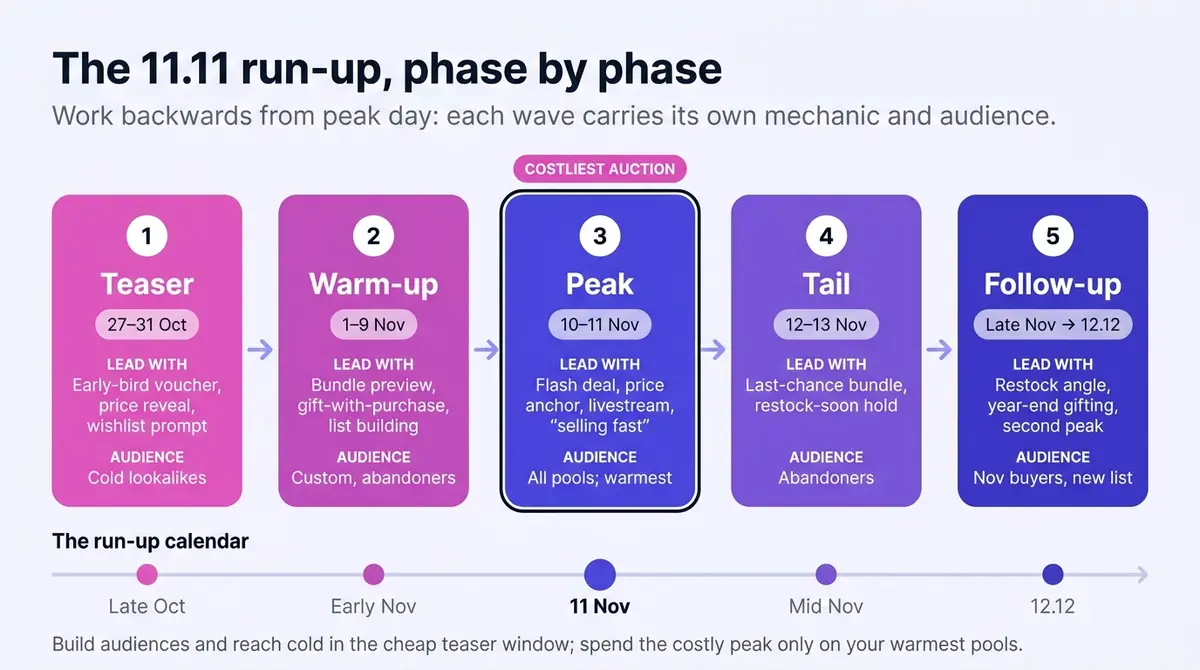
| Dates | Wave | Mechanic to lead with | Audience |
|---|---|---|---|
| 27-31 Oct | Teaser | Early-bird voucher, price reveal, wishlist prompt | Cold lookalikes (1-3%) plus email capture |
| 1-9 Nov | Warm-up | Bundle preview, gift-with-purchase reveal, list building | Custom audiences, engagers, abandoners |
| 10-11 Nov | Peak | Flash deal, price anchor, "selling fast", livestream slot | All pools; final-hours push to abandoners |
| 12-13 Nov | Tail | Last-chance bundle, restock-soon hold | Cart abandoners, peak-day non-buyers |
| Late Nov to 12.12 | Follow-through | Restock angle, year-end gifting, second peak | November buyers, video viewers, the new email list |
Then the four moves that turn the calendar into a campaign:
- Pick two or three mechanics that fit your margin, and price them honestly: a bundle you can fulfil, a gift you can stock, a discount that survives a sceptical shopper comparing it to last month's price.
- Build the custom and lookalike audiences and the exclusions before the teaser launches, so the sale-day wave has warm pools waiting and so you stop paying twice for the same person.
- Brief the creative as a set of waves, three to five variants each, with the next batch ready before the first fatigues, and confirm the landing page and the stock can honour every offer.
- In late October, search your category in the free Meta Ad Library and note which rivals are teasing and with what mechanic. Study what last November rewarded, too: an archive that keeps Malaysian campaigns searchable after they end (AdPlay.ai holds millions of them) makes that look-back fast, and the mechanics that repeat every year are the ones worth copying first.
The post-sale playbook: turn 11.11 data into a December and CNY asset
The plan does not end on 13 November. The audiences you paid to build that month are the cheapest sales of December, and the buyer you acquired at a peak-day CPM only pays back if you re-sell to them. That is the cohort math behind the post-sale phase: a November buyer bought at the most expensive impressions of the year, so the second and third orders, in December and at Chinese New Year, are where the acquisition cost finally turns a profit. Four moves keep that cohort working.
- Rebuild the seed lists. Everyone who bought on 11.11 becomes a fresh purchaser list. Upload it and build a new 1% lookalike off it, because it is the highest-intent seed you will have all year, sharper than any pre-sale pool.
- Capture the proof while it is warm. Ask 11.11 buyers for a review, a photo, or a short clip in the days after delivery. That user content becomes the social proof and the creative that fuels your 12.12 and Raya ads, at no production cost.
- Run the replenishment and win-back angle. For consumables (supplements, skincare, food), time a "running low?" message to when the first bottle or jar would be finishing, and offer the repeat buyer a reason to reorder before they shop around.
- Re-sell into the next peak. 12.12 lands a month later, and Chinese New Year (17 to 18 February 2026) follows, so the warm pool has two more reasons to return. Switch the message, because the urgency expired with the sale: restock angles ("back after 11.11 sold out"), last-chance bundles for the shoppers who hesitated, and a quiet price hold for cart abandoners in the gap weeks.
Never rerun an expired countdown; shoppers notice, and trust is the asset the whole year-end quarter spends. Plan 12.12 as a refresh of whatever November proved: same mechanic, new creative, warmer audience. The campaign plumbing itself (objectives, budgets, the learning phase) works the same in December as it did in November; the walkthrough in how to run a Facebook ad covers that setup end to end.
The brands that come out of 11.11 ahead settle their angles months early, shoot in September, and spend November reading numbers instead of scrambling for creative. Start the calendar today.
Example ad angles
Representative hooks and formats from the category.
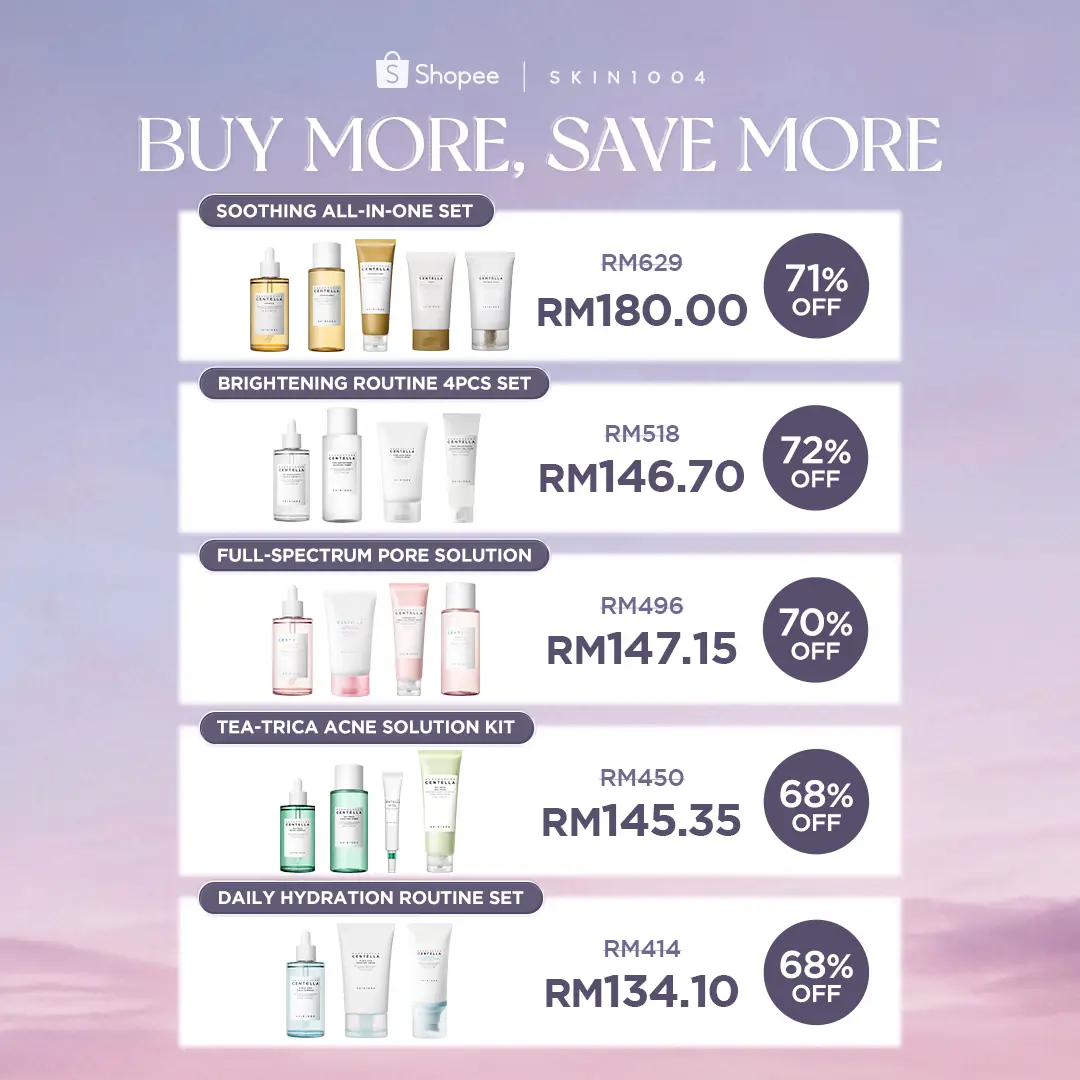
“Discount ad: Korean cica bundles up to 72% off on Shopee”

“Discount ad: 10% off one, 17% off two, 23% off three this relaunch”
“Discount ad: four instant awning hijabs for RM99, free COD”
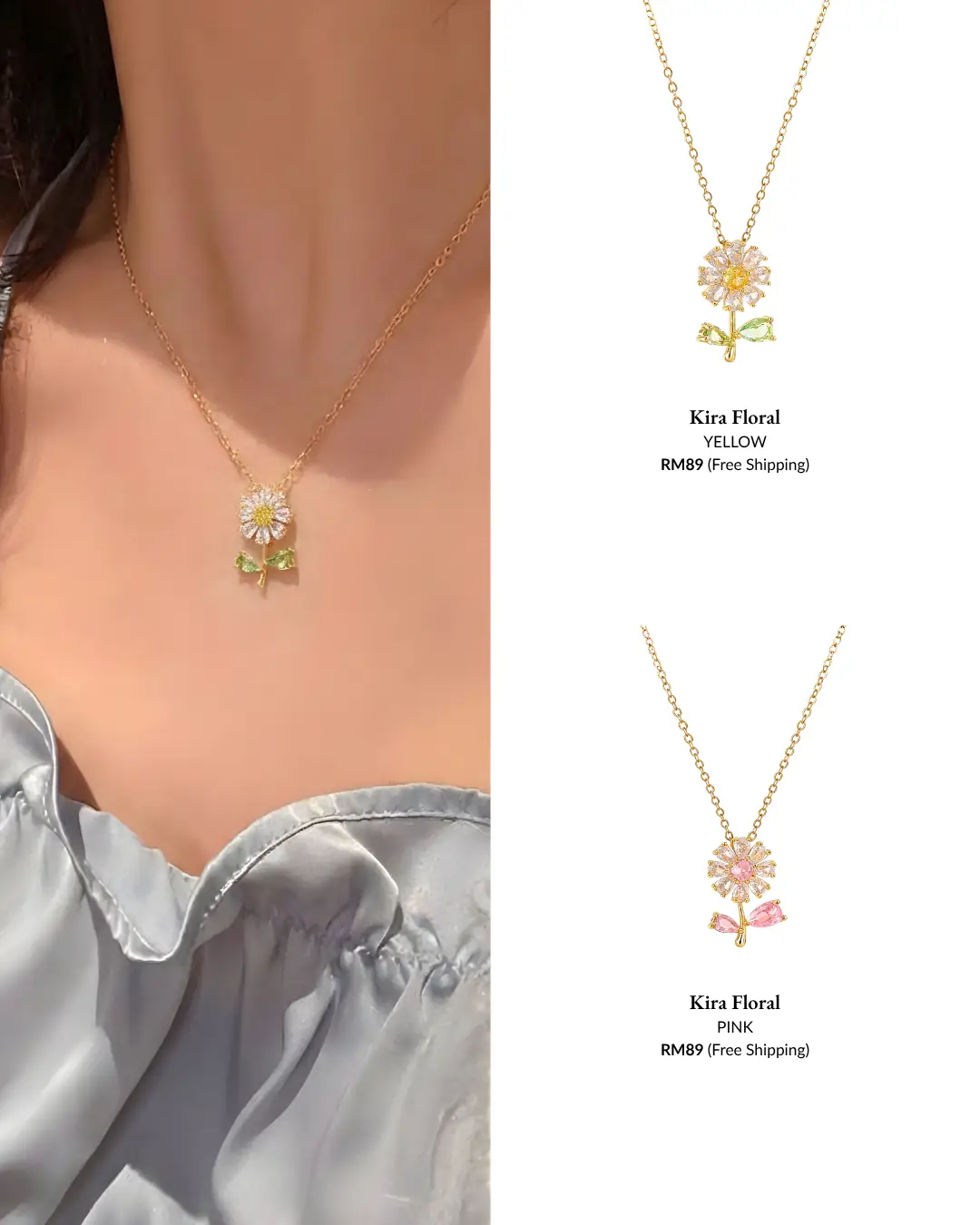
“Discount ad: Kira Floral necklace RM89 with free shipping”

“Discount ad: 916 gold Roman charm at RM 2XX in a flash sale”
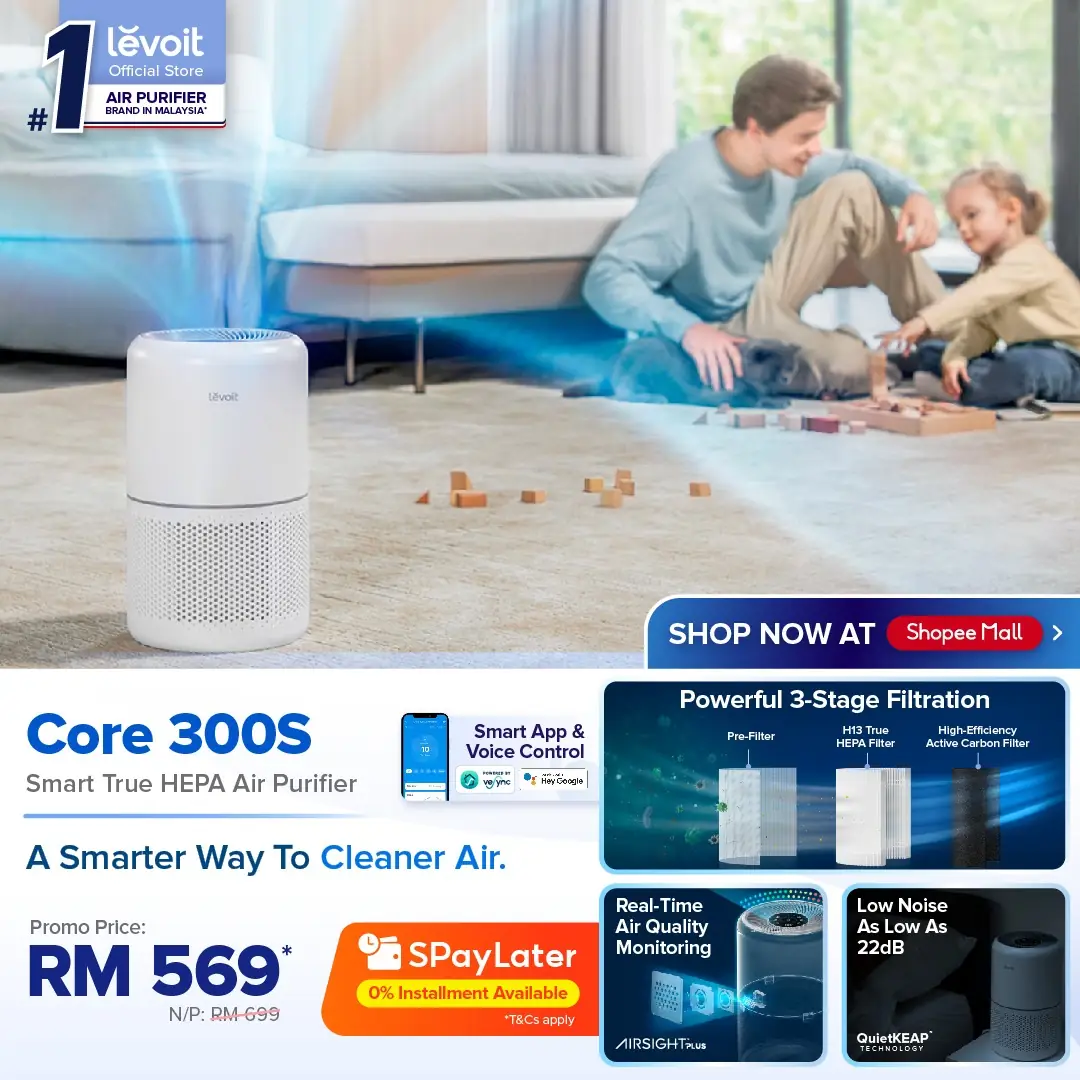
“Discount ad: Levoit Core 300S air purifier now RM569 from RM699”

“Social-proof ad for Asia’s no.1 collagen, three million bottles sold”
By the numbers
Frequently asked questions
When should I start running 11.11 ads in Malaysia?
Start teasers in the last week of October. Shopee Malaysia's 2024 campaign opened on 26 October, and shoppers begin claiming vouchers and filling wishlists as soon as the campaign pages go live. Launching teaser ads around 27-31 October gives Meta's learning phase a week of data before the peak, so your sale-day wave starts optimized instead of cold. A brand that publishes its first ad on the morning of 11 November is buying the most contested impressions of the quarter with an ad set that has not finished learning.
What 11.11 ad creative and angle work best for my category?
Mechanic-led creative, with the angle tuned to what you sell. Name the deal in the first line and put the price on the image, then pick the angle your category rewards: beauty and skincare lean on tiered routine bundles plus a free-gift sample; fashion and modestwear on multi-piece sedondon and family-set bundles; jewellery and gold on a numbered flash window and price anchoring; electronics and home on struck-through price anchors and instalment framing; supplements on social-proof volume ('three million bottles sold'); food and beverage on festive hampers and gift sets. Format follows the wave: short vertical video (under 15 seconds) for urgency, single statics for price-drop announcements, carousels when several deals share one budget. Generic red sale banners disappear in a feed where every brand runs the same graphic; a named product at a named price, in your category's strongest angle, does not.
Should I advertise my own store or my Shopee and Lazada stores for 11.11?
Both, with different jobs. The marketplaces carry the traffic surge, the platform vouchers, and buyer trust during the sale window, so deal ads pointing at your Shopee or Lazada store convert well that week. Your own web store keeps margin and the customer relationship, so it earns the offers a marketplace listing cannot carry: exclusive bundles, gifts with purchase, and early access for past buyers. Many Malaysian brands run both in parallel and let the results decide where next year's budget tilts.
How much do Facebook ad costs go up during 11.11 and Black Friday, and how should I budget for it?
A lot, and the number is the reason to build early. Gupta Media's CPM tracker put Meta's 2024 annualized average CPM at about US$7.43, then Cyber Monday (2 December 2024) hit US$17.70, which is 138% above that average; Black Friday ran US$16.85 and the priciest week averaged US$13.42. The year-round baseline is rising too: WordStream's 2025 benchmarks, reported by Search Engine Land, put Meta's cost per lead up 21% year on year to US$27.66. Malaysia's 11.11 sits inside that same Q4 auction, so pace the budget to it: a light teaser slice in late October to build pools at cheaper prices, the largest share on the 10-11 November peak, and a retargeting slice held back through 13 November and into 12.12. The rule is to spend the costly peak-day impressions on your warmest, highest-intent audiences, never cold prospecting, and to keep each ad set's daily budget high enough to exit Meta's learning phase.
Which numbers tell me an 11.11 ad is actually working?
Lead with cost per result or ROAS: that is whether the spend is profitable at sale prices. Use hook rate (the share of viewers who watch at least three seconds) to judge whether the creative is stopping the scroll, and click-through rate to judge whether the offer is worth tapping. Watch frequency for fatigue: rising frequency with falling returns means it is time for fresh creative. Treat impressions and reach as context, not a scoreboard, because they climb for everyone during a peak and rarely tell you what to change.
How does 11.11 compare to 10.10, 12.12 and Black Friday in Malaysia, and should I run all of them?
Treat them as one connected quarter, not five cold launches. 9.9 and 10.10 are the cheaper dry runs: small spend to test which hook stops the scroll and to seed your lookalike and engager pools before the peak. 11.11 is the peak itself, the highest intent and the highest CPM, so it gets your strongest mechanic, your warmest audiences and the largest share of budget. The imported Black Friday and Cyber Monday week is a mid-window booster that pulls import and premium-brand carts (Lazada's 2025 data showed premium electronics and beauty average order values jumping over 9.9). 12.12 is the harvest: the audiences you paid to build before 11.11 are still warm, so retargeting cost per result typically beats the November auction. Run a light presence at 9.9 and 10.10, the heaviest weight at 11.11, and a warm-retarget pass at BFCM and 12.12. The creative and the audience build are the fixed cost and they are reusable across the chain, so showing up at the next sale is mostly just media.
Which audiences should I build and target for 11.11, and who should I exclude?
Build three types before the teaser launches. Custom audiences are your warmest: past buyers, website visitors, cart and checkout abandoners, teaser-video viewers, and your uploaded email or phone list. Lookalike audiences (start at 1% off your best customers, widen to 2-3% for peak-day scale) find new buyers who resemble them. Then use exclusions so you do not pay twice: suppress recent purchasers from prospecting, and keep your retargeting pool out of cold campaigns. Cold lookalikes carry the teaser reach, custom audiences get early access, and abandoners and engagers get the final-hours push on 11 November.
Do I need a dedicated 11.11 landing page, or can I send traffic to my normal pages?
Use a dedicated page when you can. The ad makes a specific promise (a price, a bundle, a gift), so the page should show exactly that, with one obvious action, not a generic homepage where the shopper has to hunt for the deal. Test it under load before the peak, because sale traffic arrives in minutes and a slow or crashing store loses the buyers you just paid to send. Build it mobile-first, confirm the discount code actually applies at checkout, and make sure you have the stock to honour the offer for the full window.
Sources
- 1.DataReportal, Digital 2026: Malaysia (2026)
- 2.Bernama, 11.11 Big Sale Boosts Local Shopee Live Sellers' Sales By Six Times (2024)
- 3.Pamper.my, Shopee 11.11 Big Sale Returns with Lowest Price Guarantee (2024)
- 4.DealStreetAsia, SE Asia's e-commerce GMV hit $157.6b in 2025 (Momentum Works) (2025)
- 5.Xinhua, Southeast Asia e-commerce GMV rises 22.8 pct in 2025 (Momentum Works) (2026)
- 6.Omnisend, Email Popup Statistics: 1.24 Billion Displays Analysed (2025)
- 7.Fintech News Malaysia, Top 3 BNPLs in Malaysia and What's Next (2026)
- 8.ProductNation, How Lazada's 11.11 Sale Is One of the Biggest One-Day Sales in Malaysia (2024)
- 9.Gupta Media, Social Media Ads Cost and CPM Tracker (2025)
- 10.WordStream, Facebook Ads Benchmarks 2025 (2025)
- 11.Search Engine Land, Facebook Ad Costs Jump 21% in 2025 (2025)
- 12.Malaysia World News, Local Sellers Unlock 14X More Orders During Shopee's 11.11 Big Sale (2025)
- 13.The Rakyat Post, Malaysians Shift to Premium Online Shopping During Lazada's 11.11 (2025)
- 14.PublicHolidays.com.my, Deepavali 2026, 2027 and 2028 in Malaysia (2026)
- 15.Sprout Social, Social Media Image Sizes Guide (2026)
Keep exploring
Turn ad research into winning ads
See what 16,000 Malaysian brands advertise, then generate on-brand creative, all in one tool.
7-day free trial · No credit card required