
Hari Raya Food Ads in Malaysia (2027)
How Malaysian food and beverage brands sell Hari Raya on 10-11 March 2027: iftar and sahur offers first, then kuih raya tins and hampers on a baking cut-off.
Updated January 2027 · Xanny Lee, CEO
Hari Raya Aidilfitri falls on Wednesday 10 and Thursday 11 March 2027, and Malaysian food and beverage sells it as two seasons back to back: about a month of iftar and sahur convenience buying, then a switch into kuih raya tins and hamper pre-orders. Phase one competes with a Ramadan bazaar that is free to walk into, so a paid iftar offer wins on certainty instead of price: a stated portion count, one ringgit figure for the whole set, an arrival window before the azan, and an order-by time in hours. Phase two runs on oven hours rather than courier days, so set the pre-order cut-off from the number of tins your kitchen can genuinely bake, publish that number, and pause the ad set the moment you are booked. Have content indexed by late January 2027, and treat the Islamic dates as published rather than settled until the moon sighting is announced.
A Malaysian kitchen in Ramadan is answering two different questions from the same customer. For about a month the question is dinner: a family that has not eaten since dawn wants food on the table before the azan, and sahur is a separate decision made late at night by somebody already tired. Then the questions change. How many tins. What is inside the hamper. When do orders close. The audience has not moved, but the product, the price point, the lead time and the creative all have. This page covers the offers and the creative for both halves, what a kuih raya cut-off is really made of, the price rule that lands inside your heaviest fortnight, and the handoff between the two.
February 2027 gives you one production window
Chinese New Year falls on 6 and 7 February 2027, a Saturday and a Sunday. Awal Ramadan 1448 is expected on Monday 8 February, the day straight after it. The Chinese gift run closes on the Sunday night and the fasting month opens on the Monday morning, so in this cycle the two seasons are consecutive rather than competing. The Islamic dates are confirmed by moon sighting close to the day, so read every one on this page as the published date and not a settled one, Raya included: 10 and 11 March 2027 is what the calendar currently carries. For most advertisers that is a scheduling curiosity. For a kitchen it is a capacity problem, because the two seasons share hardware. The same ovens bake the Chinese New Year cookie order and the kuih raya order. The same two people pack the boxes. The same packaging supplier, the same courier, the same cold room. In an ordinary year the Chinese order book closes weeks before the first Raya deposit lands and the oven has time to change job. In 2027 the two books overlap through January, and every tin you promise one season is a tin you have taken from the other. So commit capacity before creative. Decide how many Chinese New Year tins and how many kuih raya tins the kitchen can produce, decide which weeks in the oven belong to which, and only then write the offers around those numbers. Shoot both creative sets in one January session as well, because February leaves no gap to shoot in. The reunion dinner and the auspicious gifting mechanics are a different job and they sit on the Chinese New Year food page. Inside the fasting month itself the offer changes from a meal to a gift partway through, and that handoff is what the rest of this page is about. For the week-by-week demand phases within Ramadan, our Ramadan ad playbook for Malaysia carries the sequence in full. One structural fact sits underneath phase one. Malaysian households spend a mean of RM5,566 a month, and 17.0% of it goes to restaurants and accommodation services, ahead of the 15.7% that goes on food and beverages at home (DOSM, Household Expenditure Survey 2024, 2025). Buying a meal instead of cooking one is already ordinary behaviour, so an iftar offer never has to argue for the category. It only has to argue for your kitchen.
Phase one: an iftar offer bidding against a free bazaar
The competitor for a paid iftar offer is not another restaurant's ad. It is the bazaar down the road, open every afternoon of the month and free to walk into. That trade is big enough to move the national retail figures. Retail sales through stalls and markets reached RM239 million in March 2026, the last Aidilfitri month, up 9.3% on March 2025 and 3.8% on the February before it, the second fastest year-on-year growth of any retail group that month behind automotive fuel (DOSM, Wholesale and Retail Trade, March 2026). Your ad is asking somebody to pay in advance for something they could buy on the way home. So sell what a stall cannot promise. Four things do the work and all four are facts rather than adjectives. Name the portion, because "feeds four to six" is the sum a mother is already doing and no photograph answers it. Name one ringgit price for the whole set instead of a price per item, because the bazaar's real cost is three stalls and a queue. Name the arrival window, since the entire point of ordering ahead is food on the table before the azan rather than fifteen minutes after it. And name the order-by time in hours, not days, because iftar is a same-day decision and "order by 3pm today" is an instruction somebody can act on. The category has already built most of these structures. Canton2go's mini buffet delivered to a doorstep is the closest thing to a finished iftar offer in the pool. Hot & Roll's 25% off for members every Monday shows the other mechanic worth borrowing: a fixed recurring day trains a repeat purchase, which is exactly the behaviour a thirty day fasting month rewards. Page Senda Loka built a whole ad around no hidden charges and told viewers to check the receipt, which lands harder in a month when a household orders dinner every single evening. The Icon fits a menu running from coffee to nasi Arab into one static, which is about as much as a single frame can carry when one person is choosing for several. Sahur is a different ad, not a variant of the same one. It is ordered late at night by somebody tired, for a meal eaten in the dark, so it wants reheatable portions, a delivery slot after midnight or a pickup the evening before, and a caption short enough to read on a phone at 1am. Give it its own creative and its own ad set. Then give corporate iftar a third, written for the office administrator booking forty covers at once, which is the job Regno KL's from RM4,300 celebration structure already does for weddings.
Phase two: tins, hampers and a cut-off set by the oven
The second phase leaves a trace in the trade data. Wholesale of food, beverages and tobacco reached RM14.77 billion in March 2026, the last Aidilfitri month, up 5.4% on March 2025, while retail through specialised food, beverage and tobacco stores reached RM4.62 billion, up 7.9% (DOSM, Wholesale and Retail Trade, March 2026). Almost all of that buying finishes before Raya morning, in the four weeks a kuih kitchen is already full. A Raya cut-off is unlike any other pre-order deadline, and the difference is who sets it. An ordinary bakery cut-off is set by delivery: order four days ahead and it arrives. A kuih raya cut-off is set by the oven. Count the tins your kitchen can genuinely produce in a week, multiply by the weeks left before the first day of Raya, and that number is the whole season. It is fixed before you write a single ad. Publish it. A stated batch of 300 tins that closes when full beats a vague date, because the scarcity is real, and it protects you from the season every kitchen has lived through: a full order book, staff baking at 2am, a tin arriving on the second day of Raya. Three mechanics follow from that number. Release in batches, and open the next one only after counting the oven hours to fill it. Take a deposit, which converts intent on the day and clears the orders that would otherwise evaporate. And pause the ad set the moment you are booked, the discipline most Raya kitchens skip, because past that point you are paying for reach you cannot fulfil. The click-to-WhatsApp pre-order mechanic itself is covered in our guide to bakery and dessert ads in Malaysia; the capacity number behind it is the part that belongs to this season. Beside the tin sits the open house, the half of Raya a packaged brand can own without a kitchen. An open house is not one table. It is a table reset every weekend for three or four weeks by a host who has already run out once. That makes the phase two pantry ad a restock ad rather than a stock-up ad: multipacks, a standing delivery slot, an honest count of how many weekends a box covers. Guawa's individually wrapped guava leaf tea bags are the small version of that, because guests arrive in waves and a host serves one at a time. Our packaged food brand Facebook ads guide covers the unit economics of a jar against courier cost. One note on hampers, since the general shape belongs to the Deepavali page: when a kuih tin sits inside the box, the slowest component sets the cut-off for the whole box.
What a price ceiling does to a food and beverage ad
A short list of everyday goods sits under maximum price control in Malaysia, set by KPDN under the Price Control and Anti-Profiteering Act 2011 (KPDN, 2026). Around the major festivals the ministry runs a festive maximum price scheme over a wider list, and both the items on it and the days it runs are announced fresh each season. Read the 2027 announcement before you lock artwork rather than assuming last year's list, and diary a re-approval pass for anything already in the queue that leans on a staple. The creative consequence does not depend on which items land on that list. Do not build a hero price on a controlled item. When every seller is at or under the same ceiling, a big number on chicken or cooking oil is not a differentiator, it is the law, and the ad has spent its strongest element saying what the shop next door is also entitled to say. Put the ringgit figure on something whose price you set yourself: a prepared set, a bundle, a tin, a per head catering rate, a delivered buffet, a hamper. That is where a price still does persuasive work, and it is where the margin lives anyway. There is a second reason to keep the hero number off a raw staple in the fortnight before Raya. The buyer at that point is not price shopping, she is list shopping. The open house is already in the diary, the guests are counted, and what she wants from an ad is confidence that the thing exists on the day she needs it. Availability, portion count and a delivery date do more work in that fortnight than a discount does, and not one of the three is capped. For a grocer the rule points at a different creative altogether. When the line item cannot carry the ad, sell the trip: the whole basket, the one shop that finishes the list, the stock you can promise is on the shelf on the Tuesday before Raya. That is an argument about the store rather than about a price, and it is the level a controlled fortnight leaves free. One more claim rule, because this season leans on it harder than any other. Halal reads as a baseline trust signal across most of this market, so state it where you hold certification from JAKIM or a state religious authority and nowhere else. The health claim limits and the cheap sale duration rules that sit beside it are set out in full on our 10.10 food and beverage page.
Two phases, two format mixes, one January shoot
The two phases do not want the same formats, and one mix across the month is the commonest waste in a Raya account. Phase one is read at four in the afternoon by somebody deciding within the hour. It wants one frame, one price, one arrival window and one order-by time, legible on a phone at arm's length. A static does that, or a six second video landing on the same card. Carousel does badly, because a hungry person choosing in a hurry does not swipe. What it needs is volume: the same household sees your ad thirty evenings running, so build one template, swap in the day's dish, and keep enough variants live that nobody meets the same frame twice in a week. Phase two inverts all of it. A kuih tin is bought weeks ahead by somebody who cannot taste it and is comparing four kitchens, so contents are the decision and carousel is what carries contents. One frame per flavour. One frame of the tin closed, so she knows what turns up at the door. One frame of the packing, so she can see it survives a courier. One frame that is only the cut-off. A hero shot of one perfect tart sells nobody a tin. The phase two static carries a deadline that moves, which no other festive static has to do. The cut-off comes from oven capacity, so it shifts the moment a batch fills, and a date burned flat into artwork cannot move with it. Write it as a batch state rather than a fixed day, "Batch 2 closes at 300 tins", or on a text layer you can re-export in ten minutes. A cut-off that turns out to be soft is worse than none. Video carries the proof for both halves, and both need more of it than a normal month, because each asks for trust up front: a family paying before dinner exists, a stranger buying what she cannot taste. Show the kitchen, the tins stacked and labelled, the packing bench, the cook. MedLey Signature Cafe's taste test is the phase one shape of it; the phase two version is the bench at 6am. Frame vertical and protect the top and bottom of each shot, so one January session cuts to Reels, Stories and feed without a reshoot. Before briefing any of it, read what the category published last season: which cut-off dates the kuih kitchens held, and how the buffet operators worded an arrival window. Searching a Malaysian ad archive like AdPlay.ai for last March's kuih and buffet creative takes an afternoon; memory takes the season. Keep a tail running after the two holidays, because open house goes on for weeks.
Example ad angles
Representative hooks and formats from the category.

“Discount ad: 25% off crispy wraps every Monday for members”
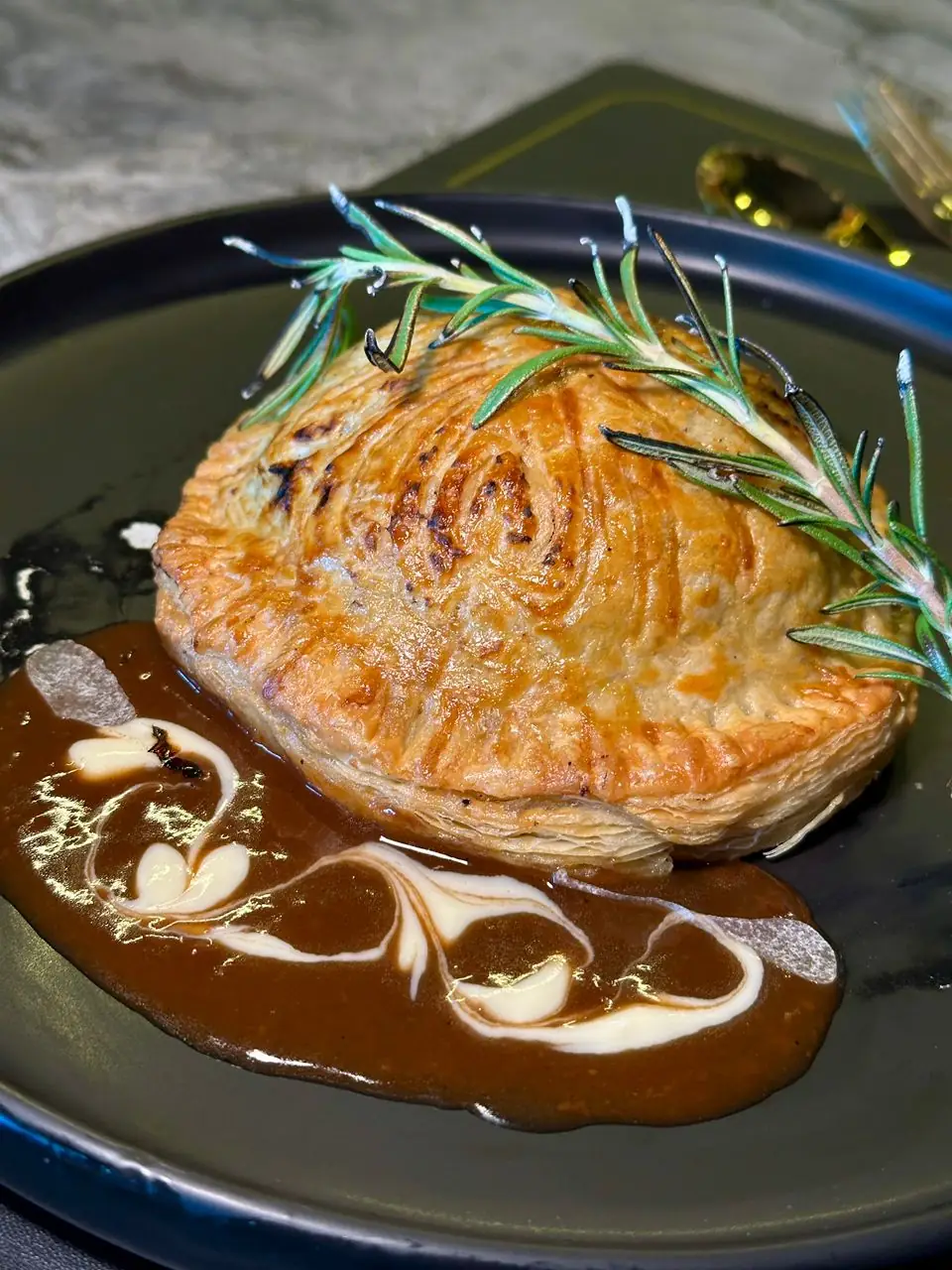

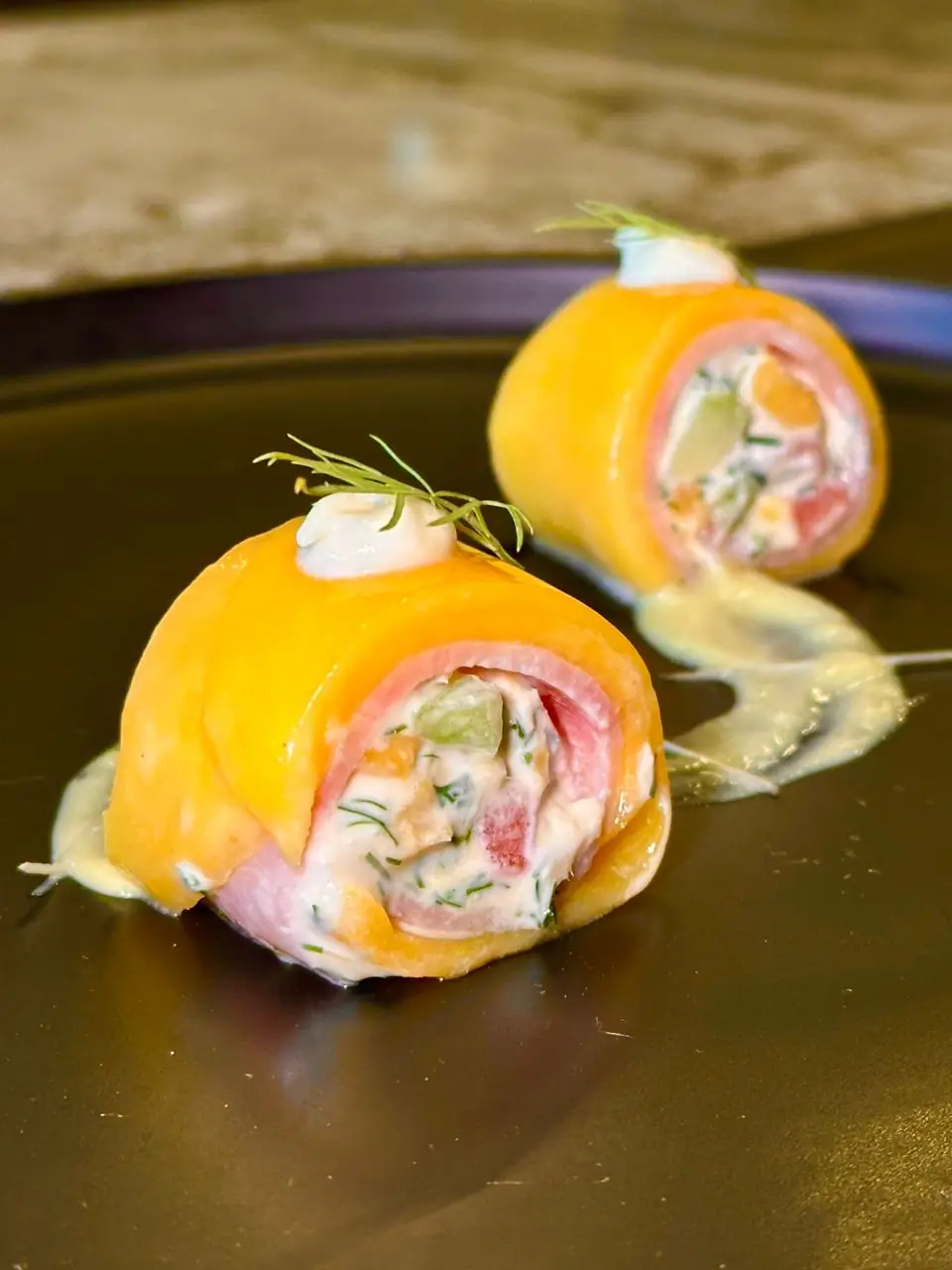
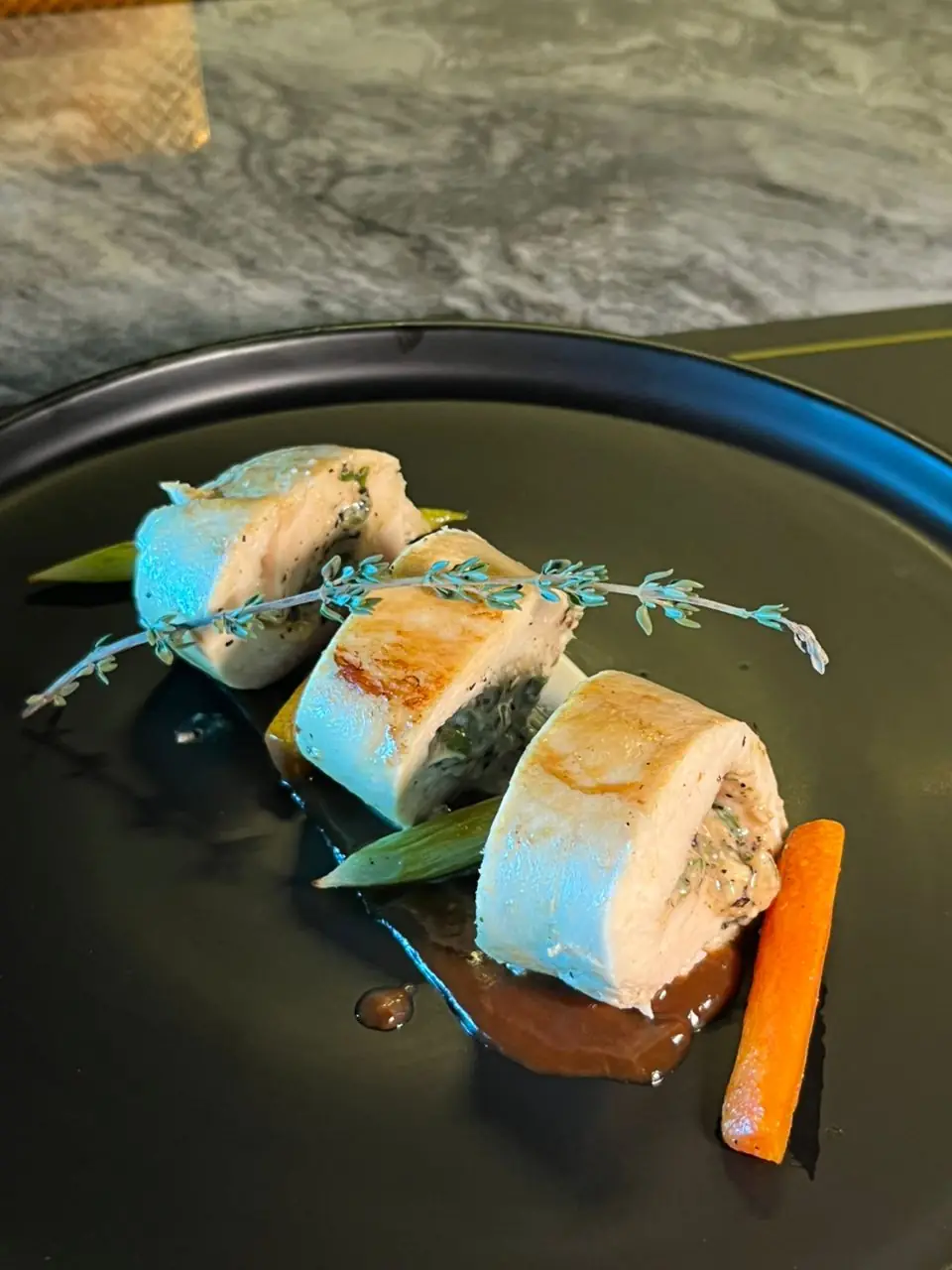
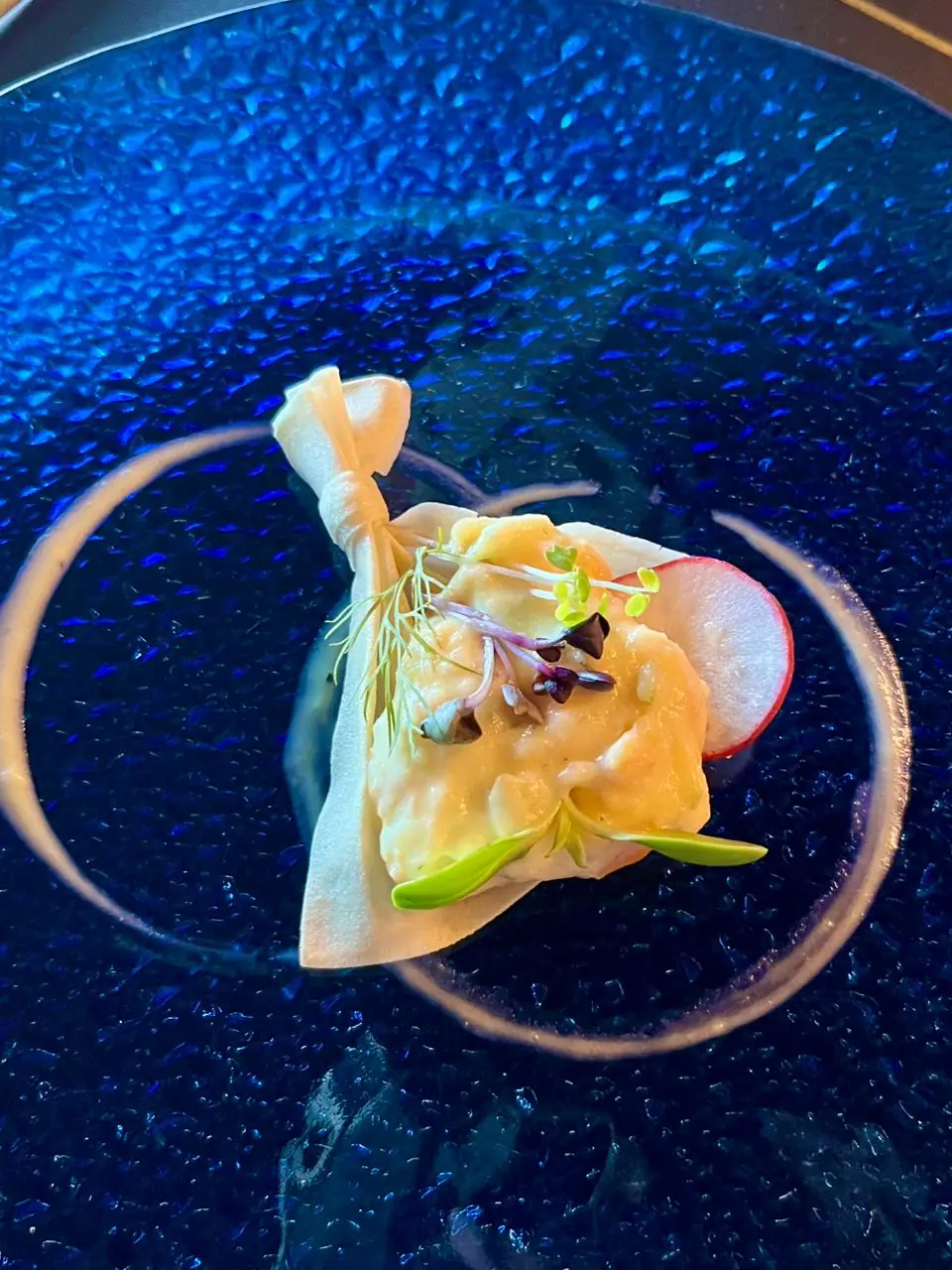
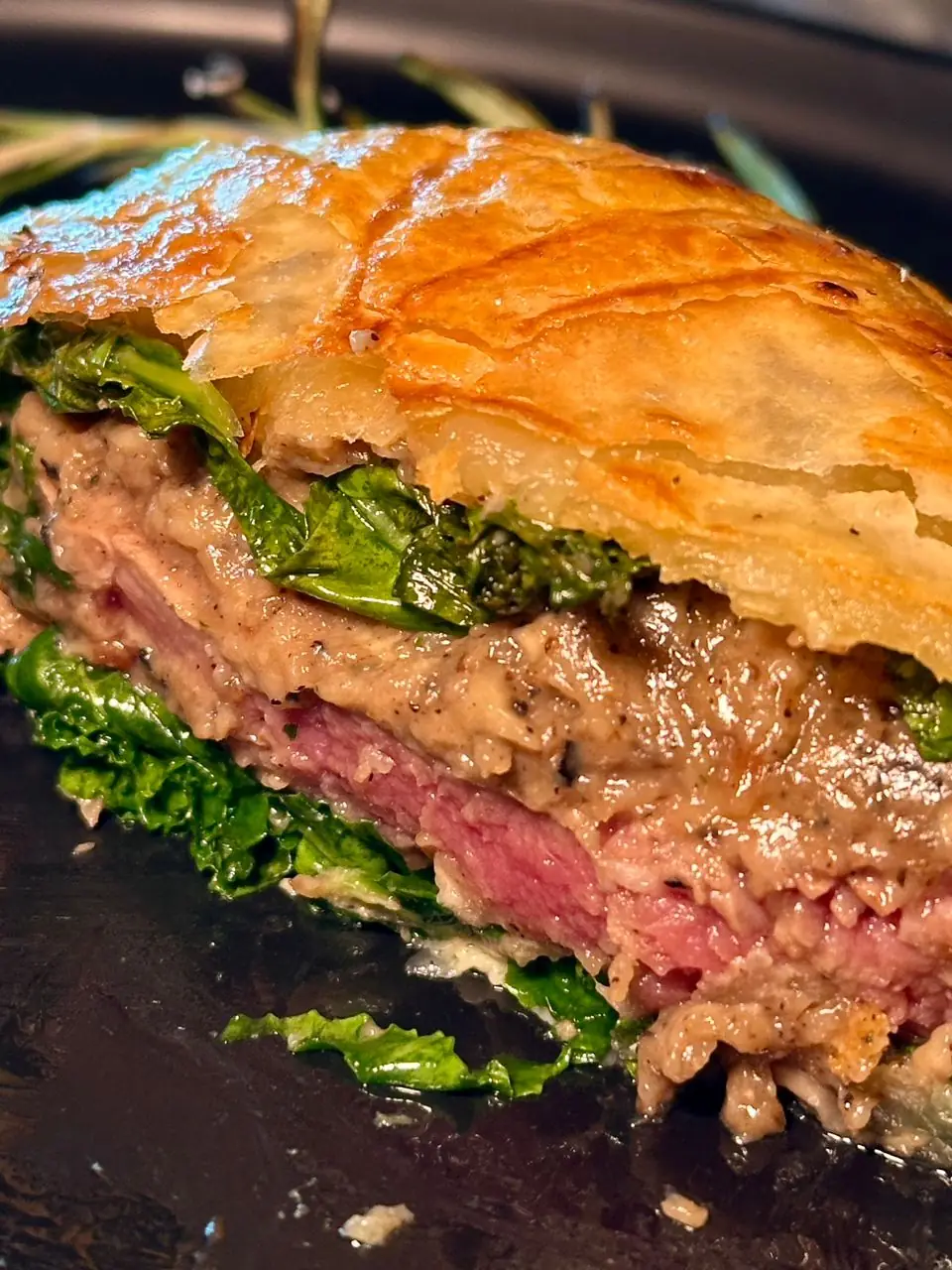
“Showcase ad for a golden beef Wellington in glossy sauce”

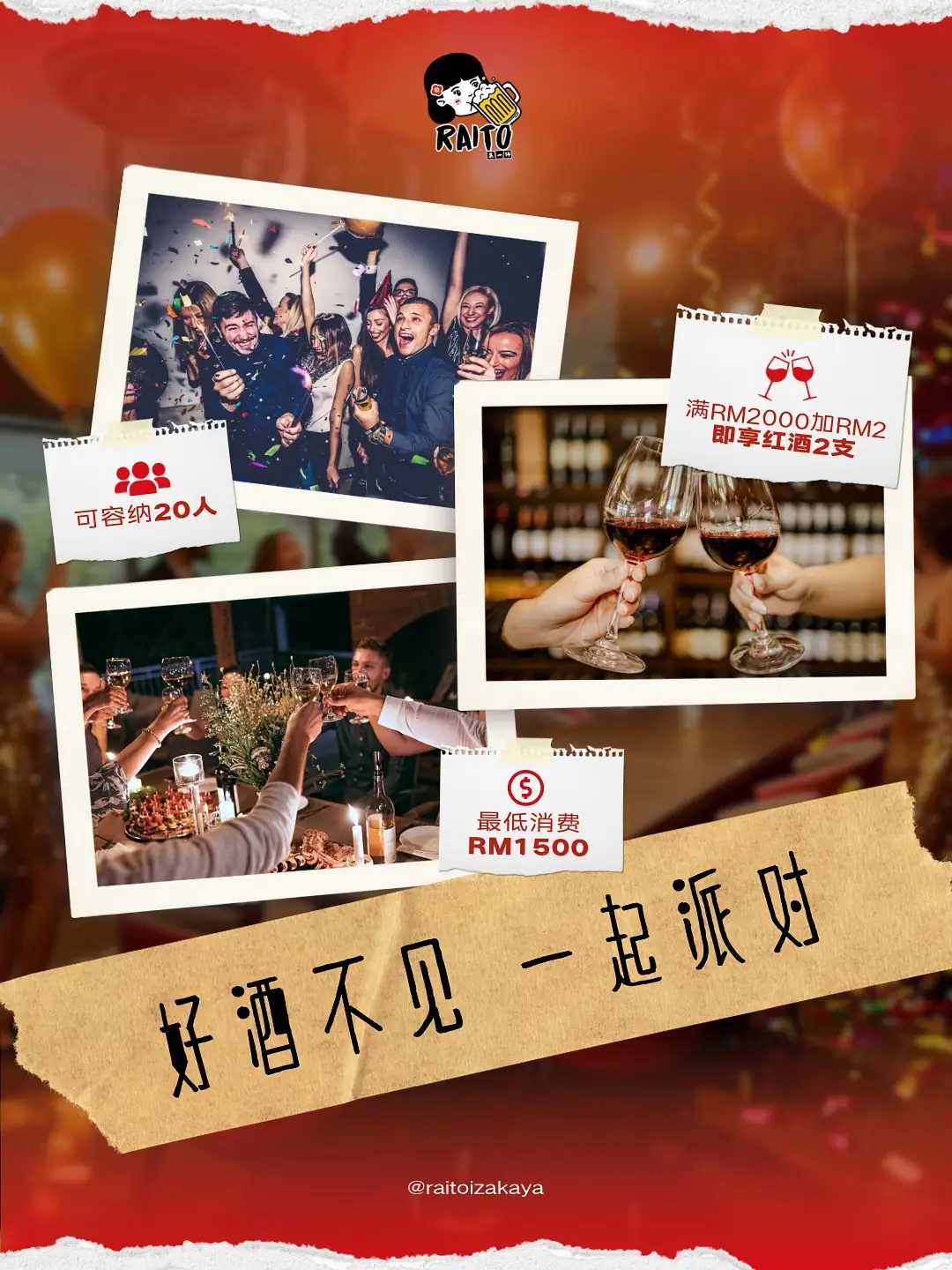
“Discount ad: spend RM2,000 plus RM2, get two bottles of wine”

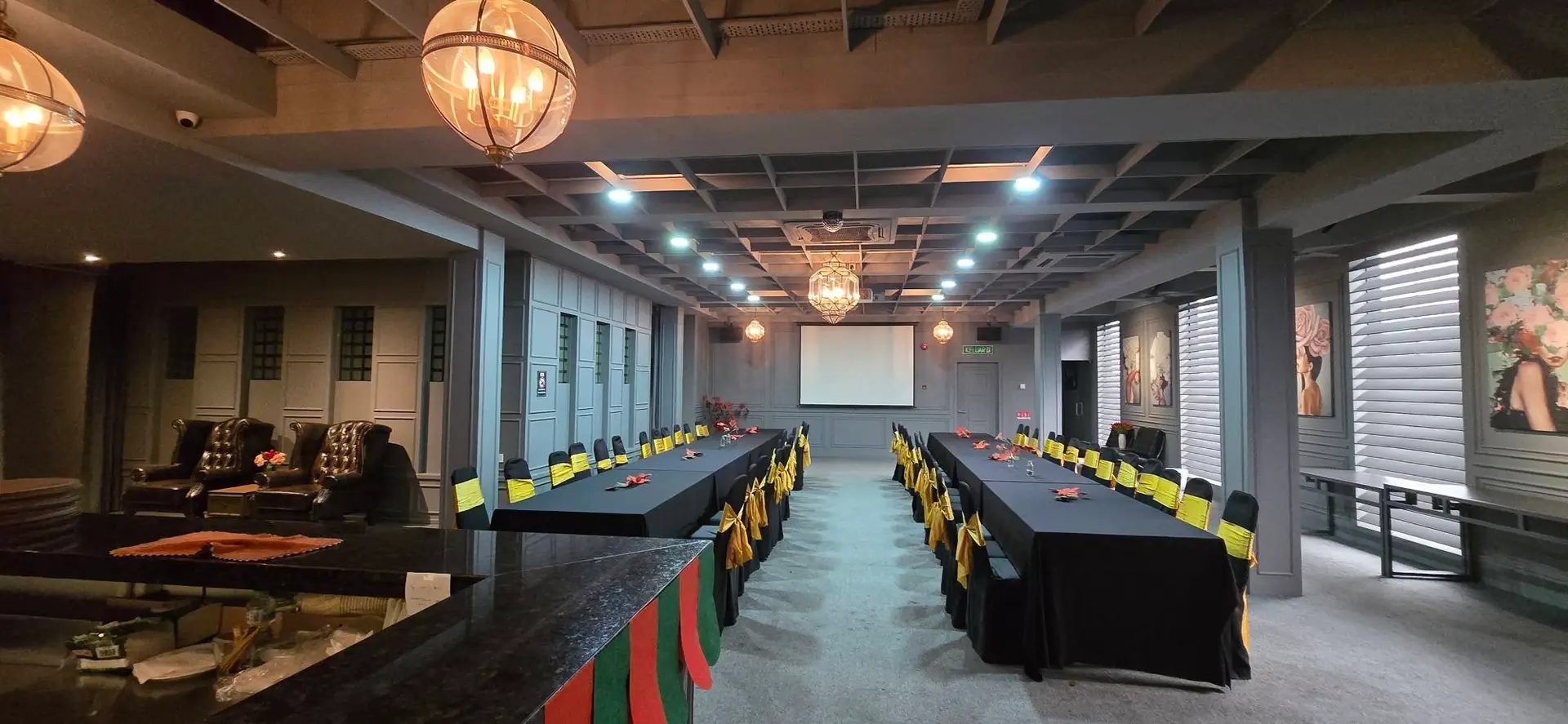
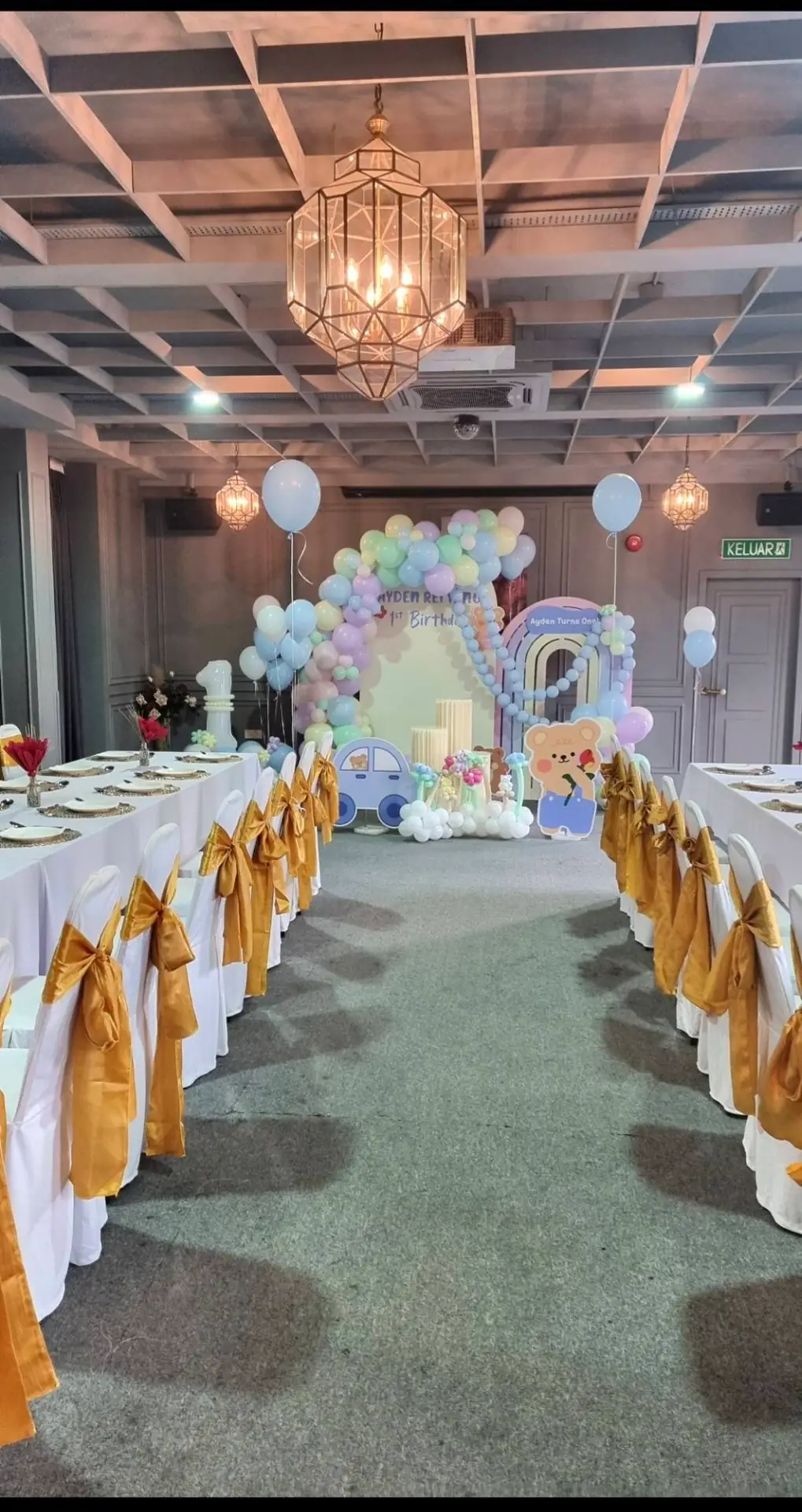

“Discount ad: celebrate birthdays and weddings from RM4,300”
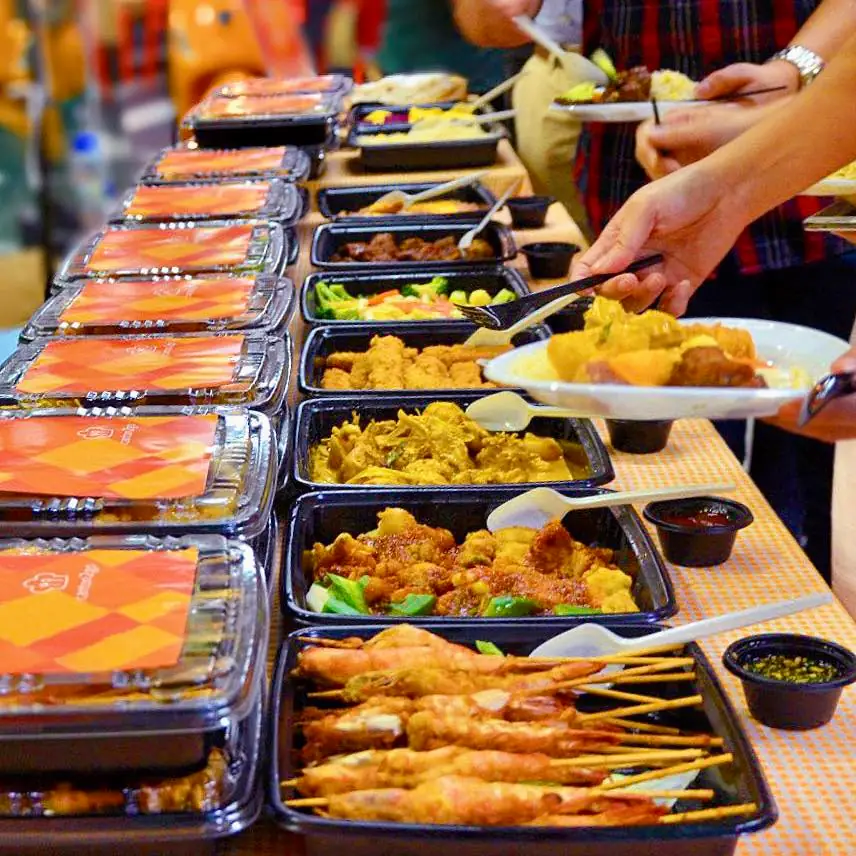
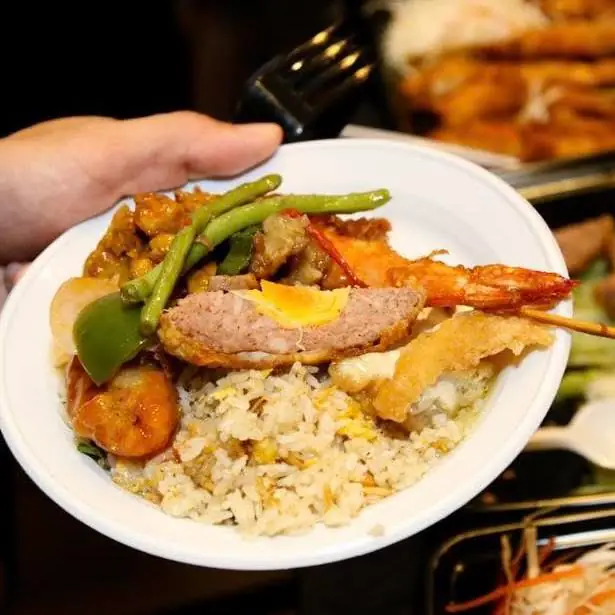
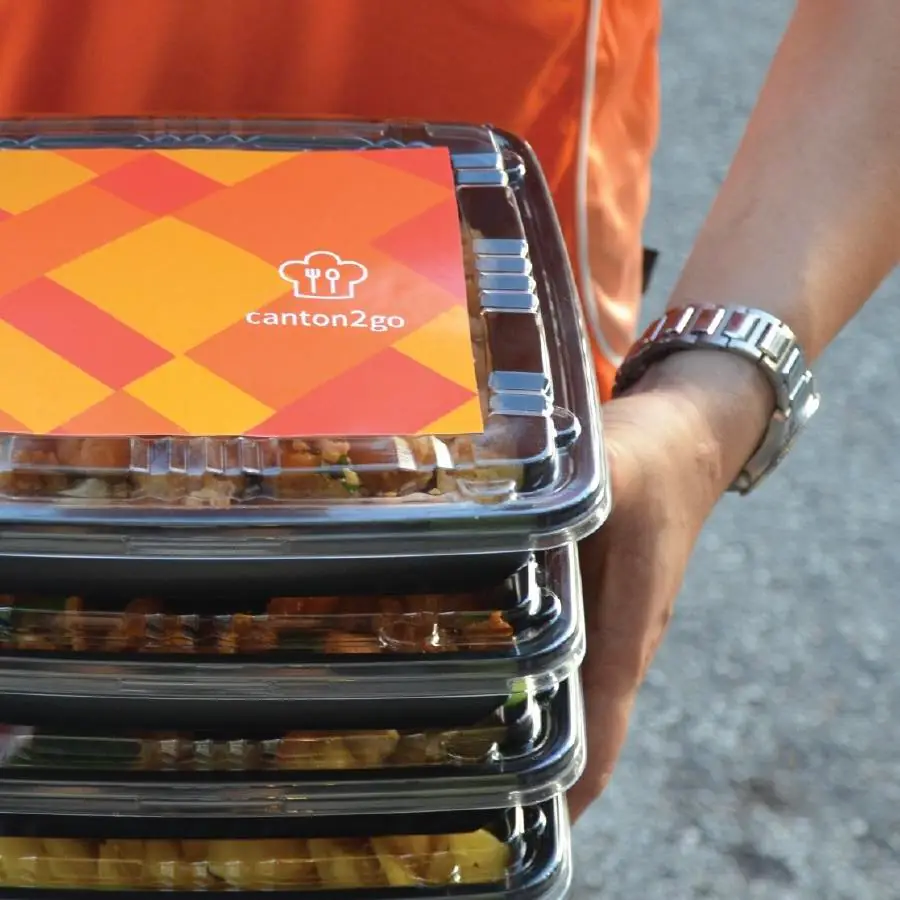
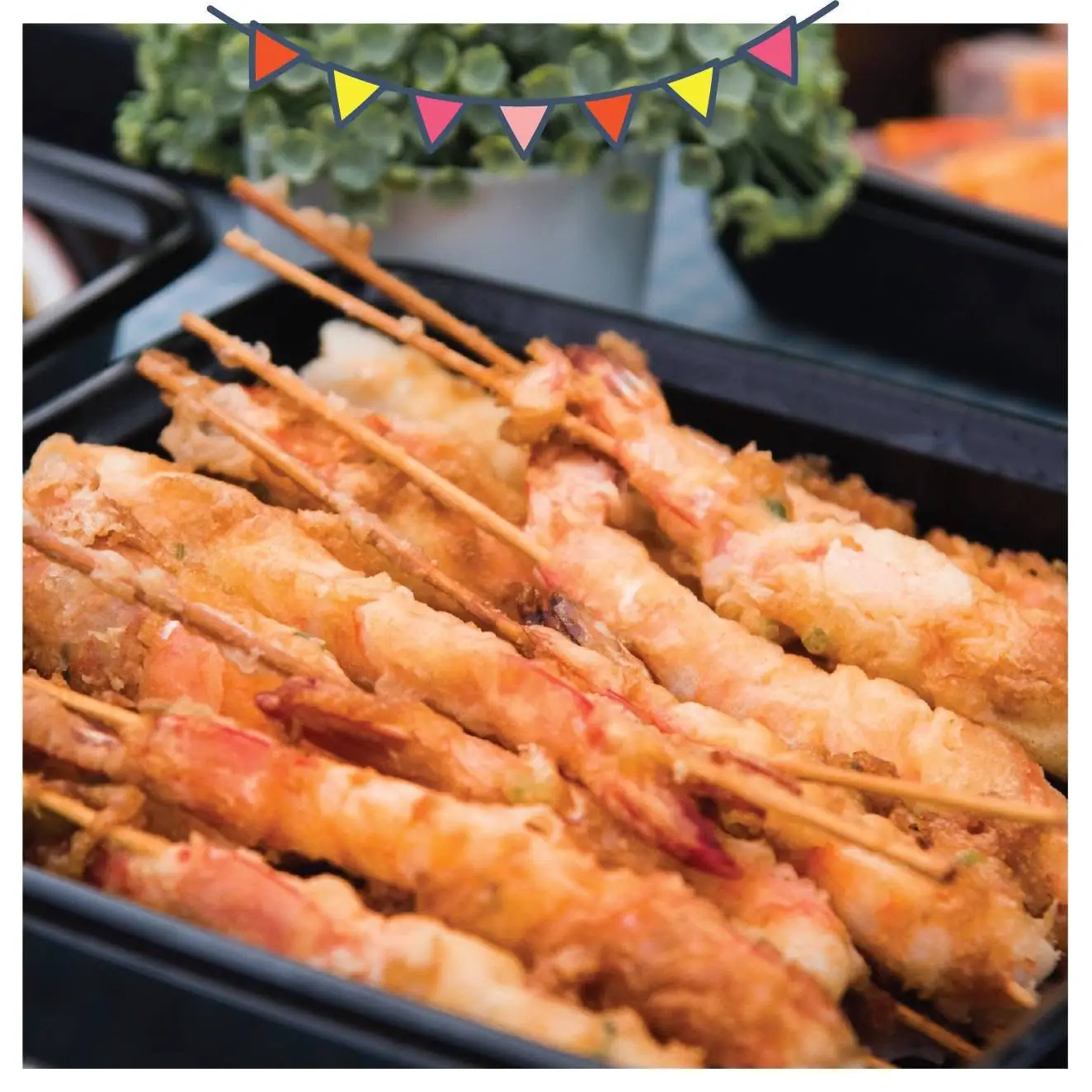
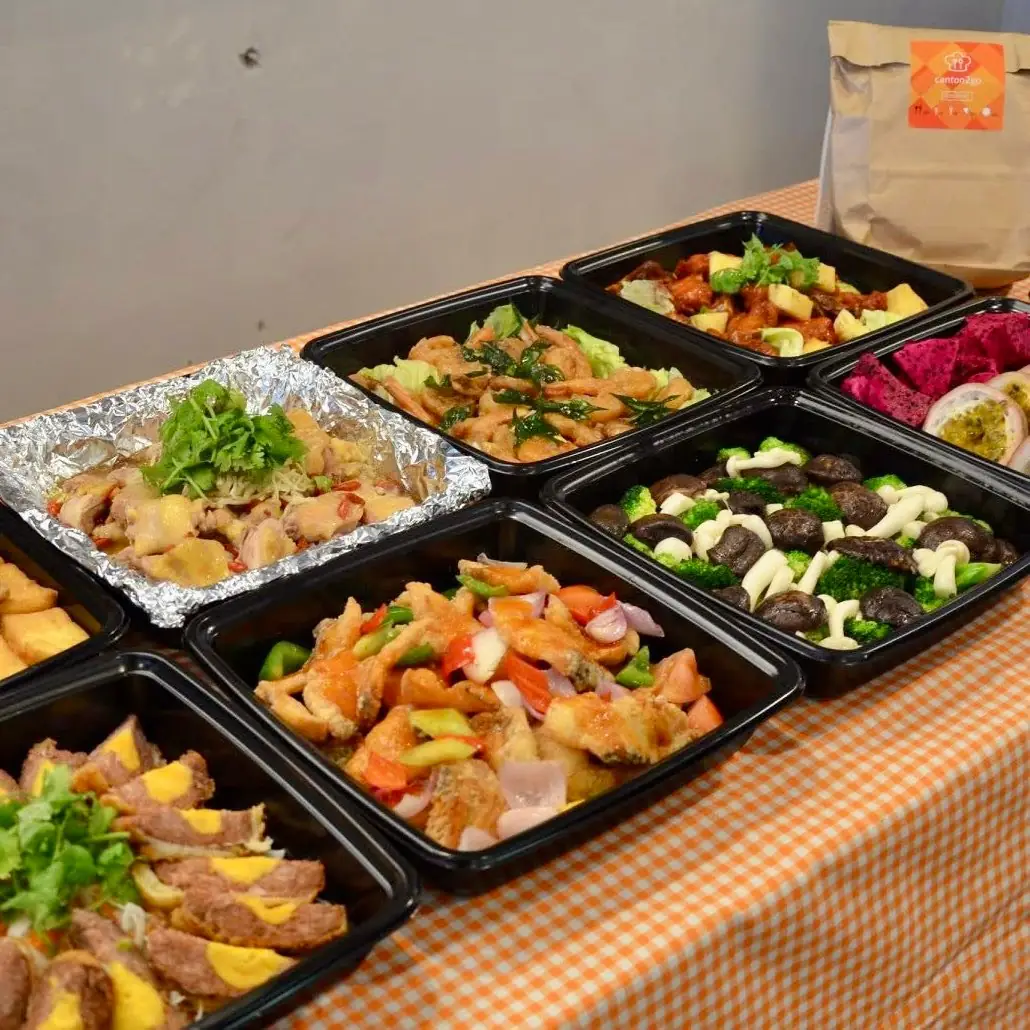
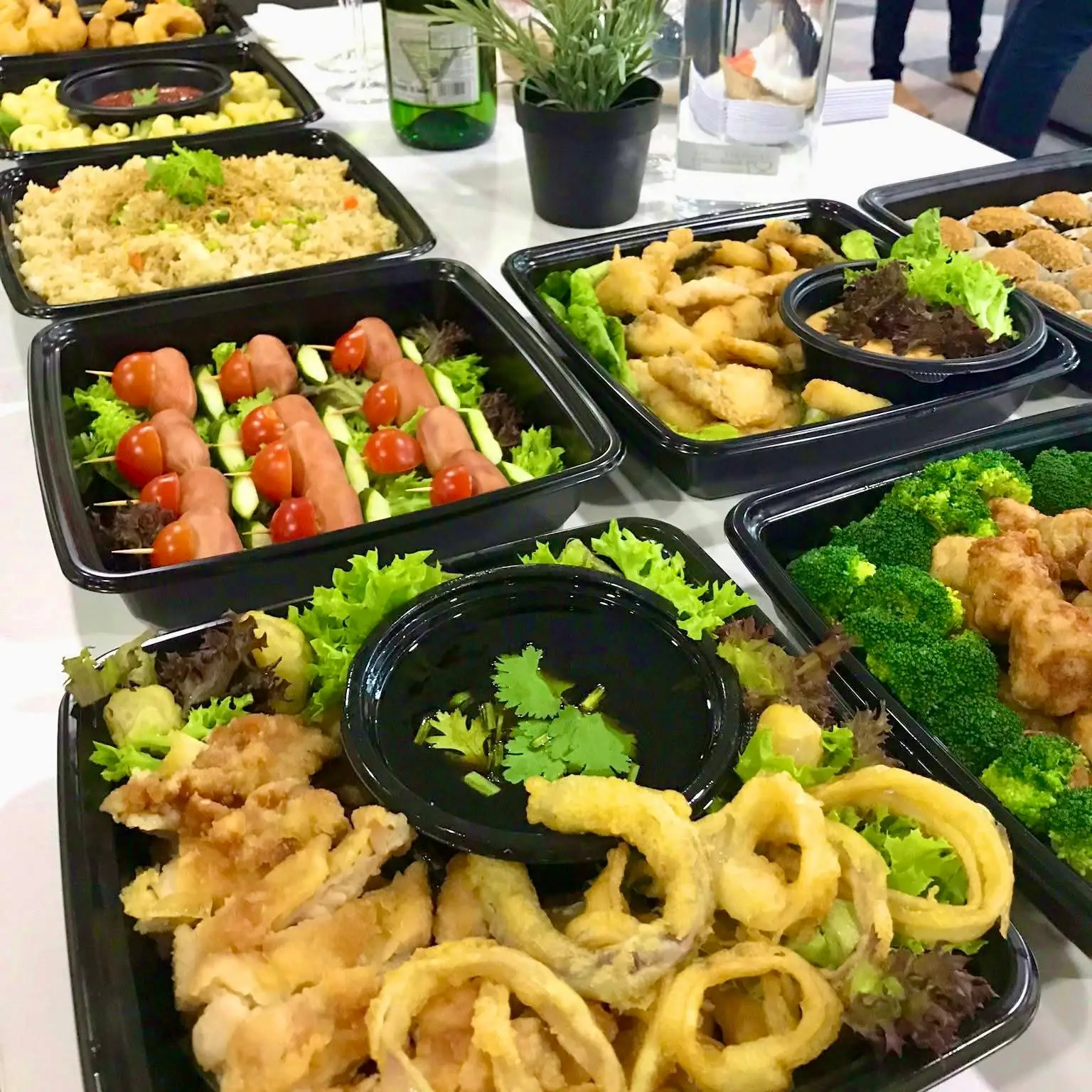
“Showcase ad for a mini buffet delivered to your doorstep”
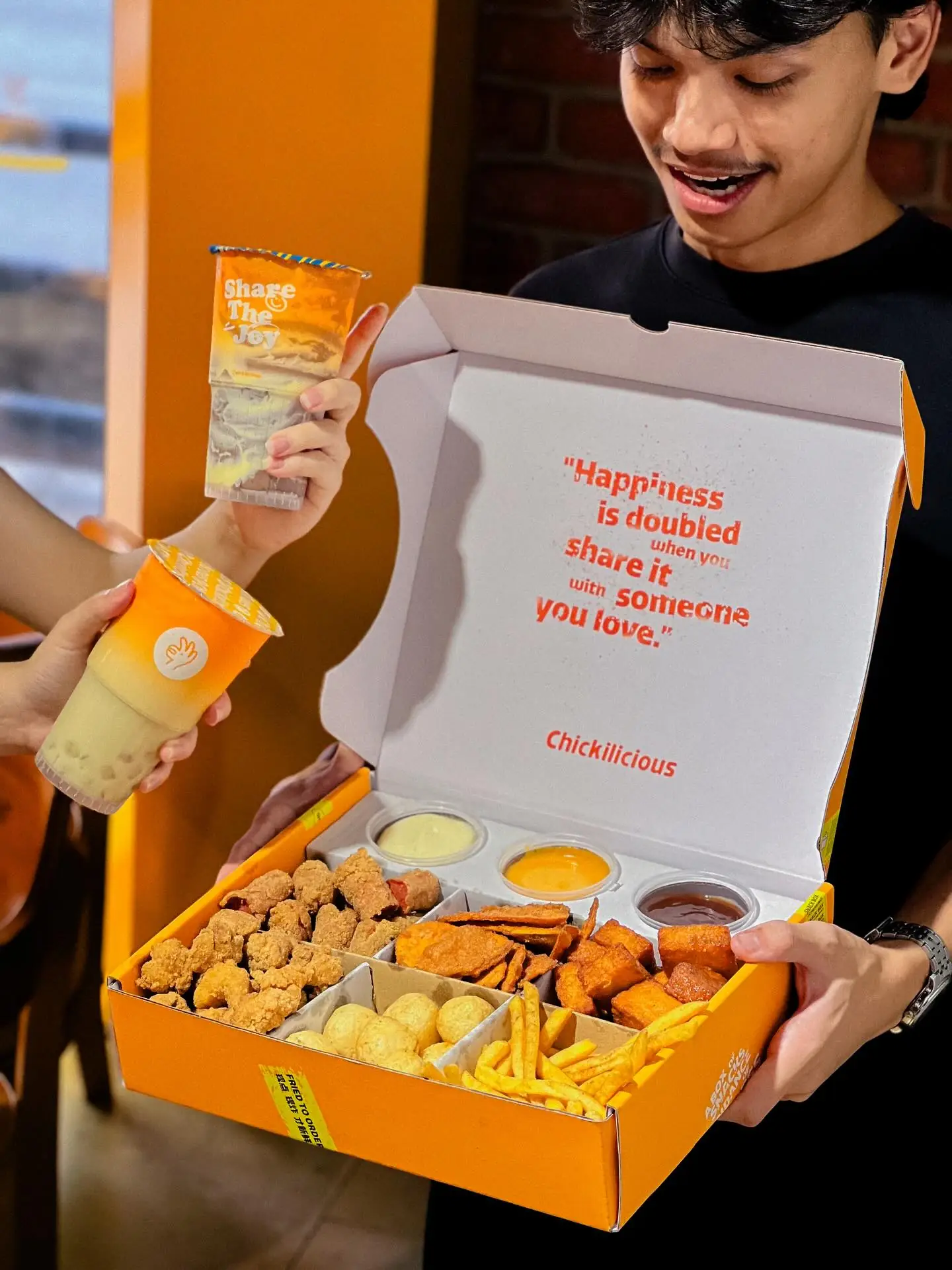
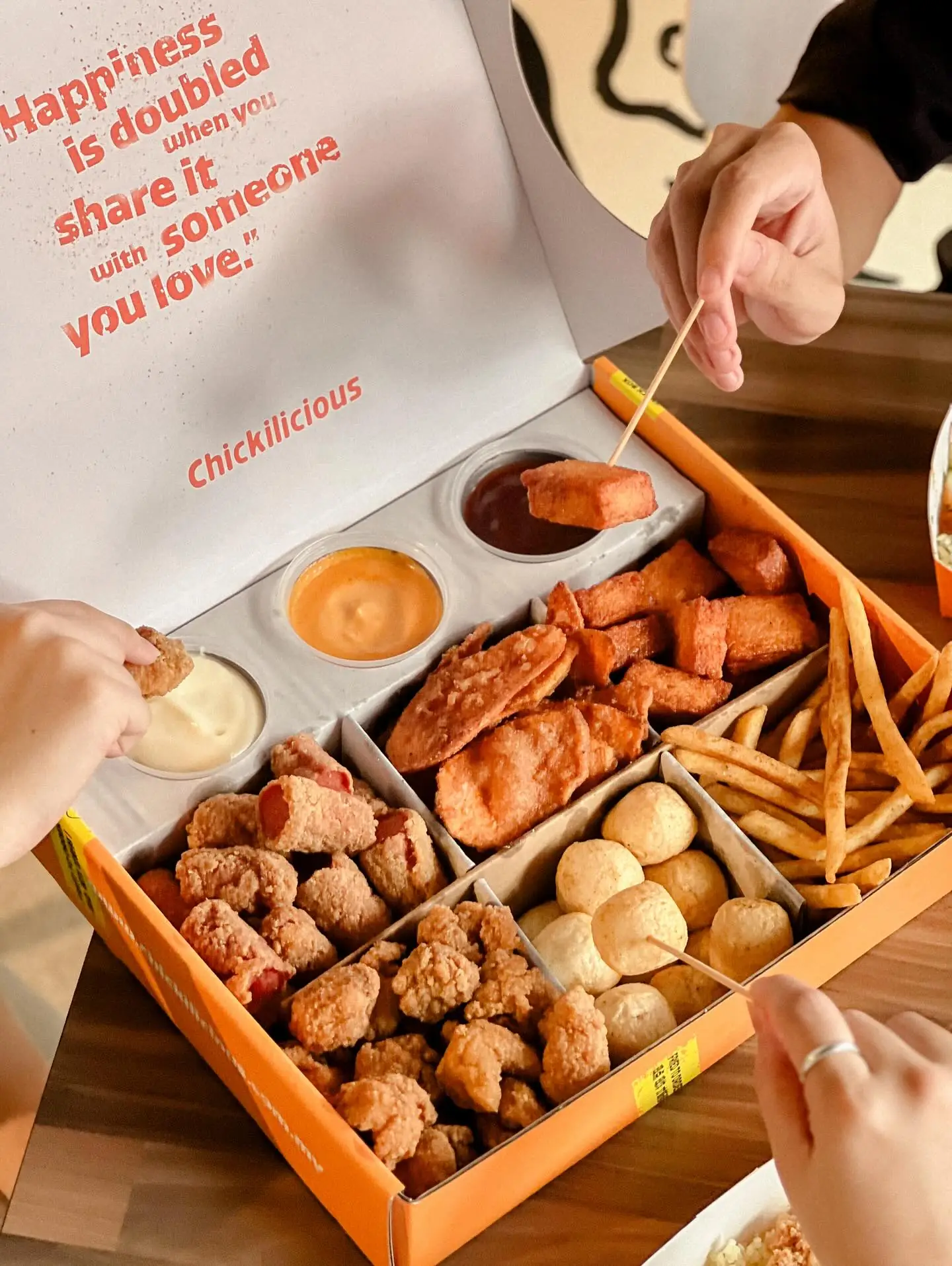
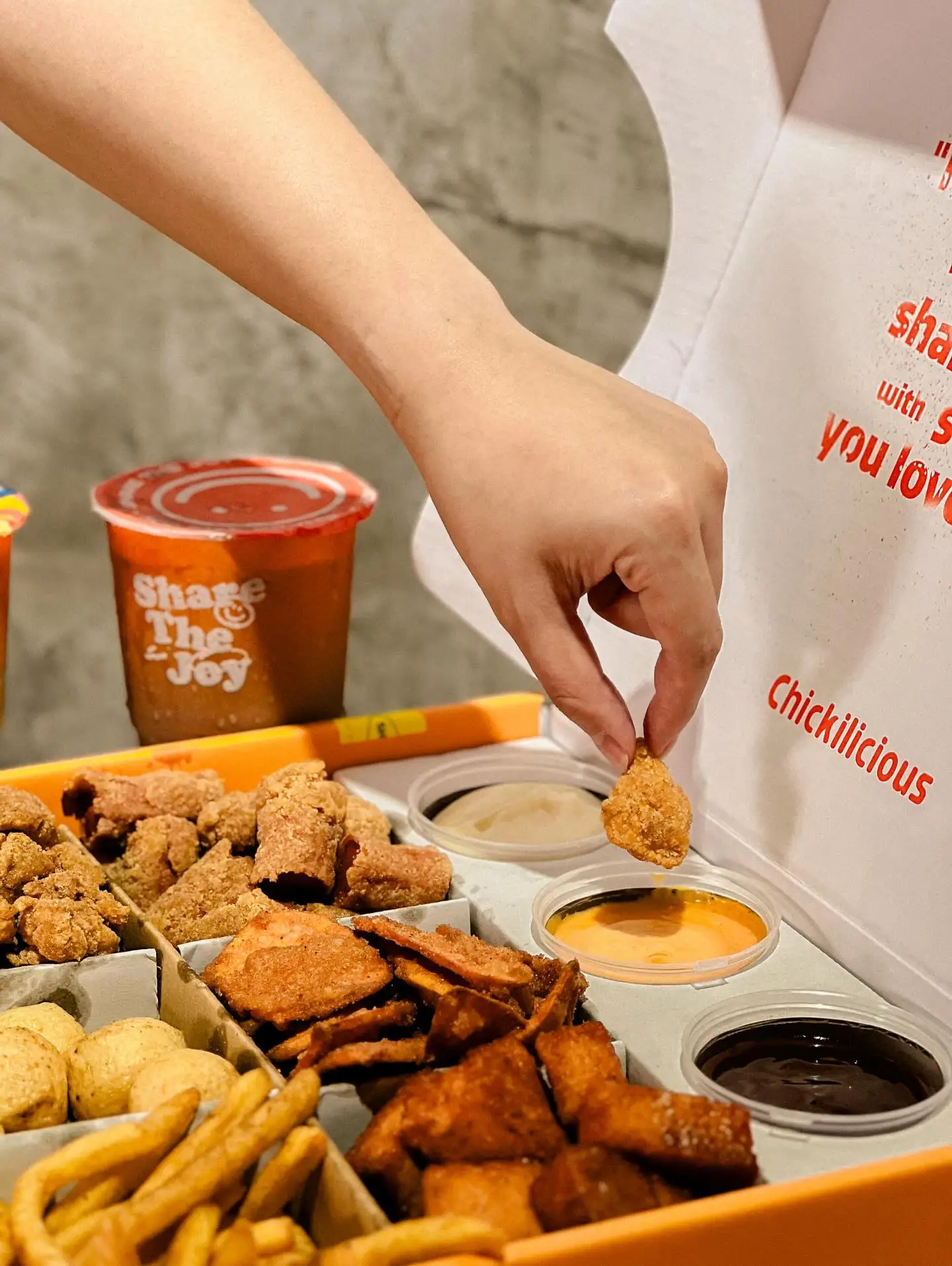
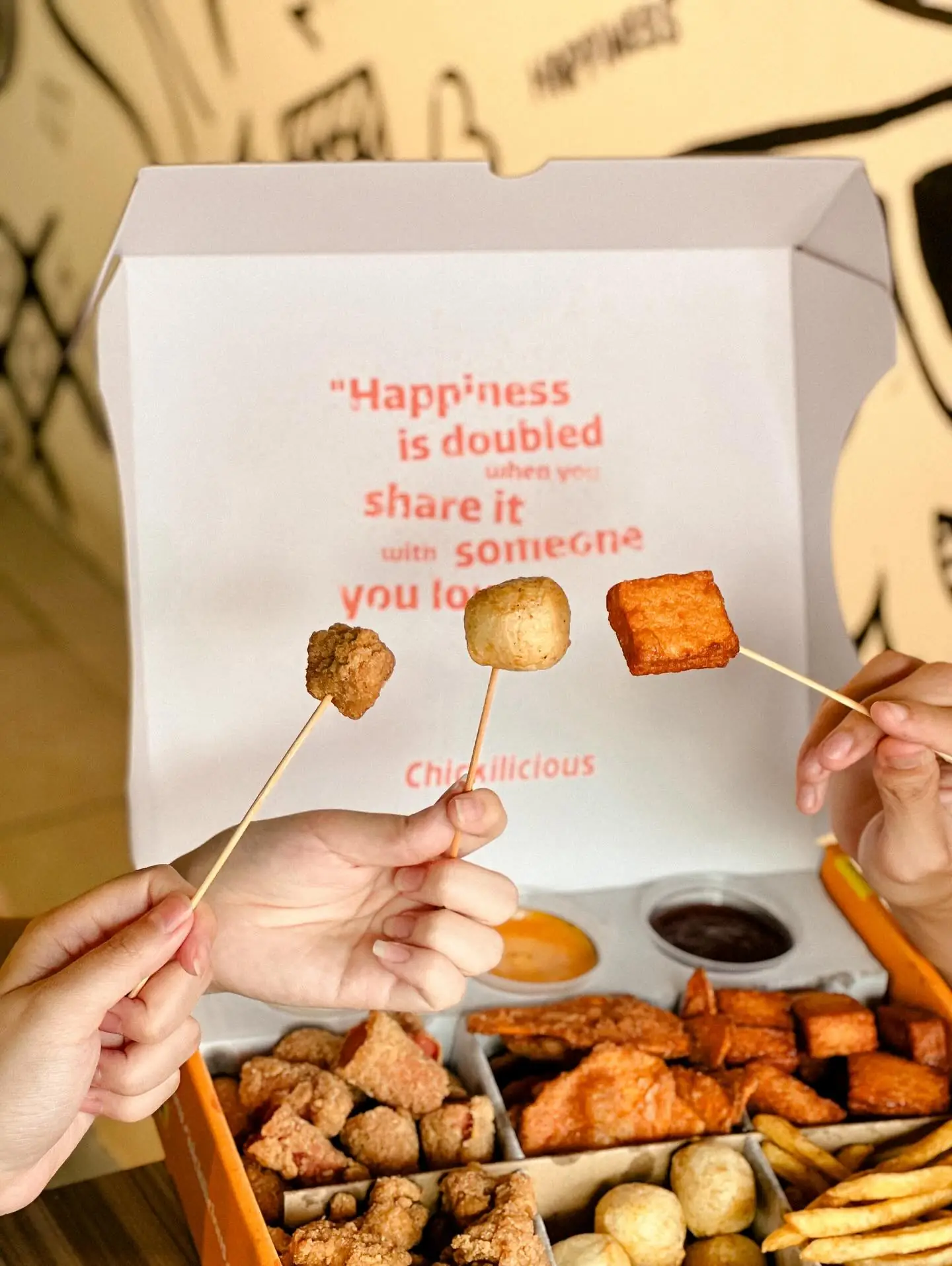
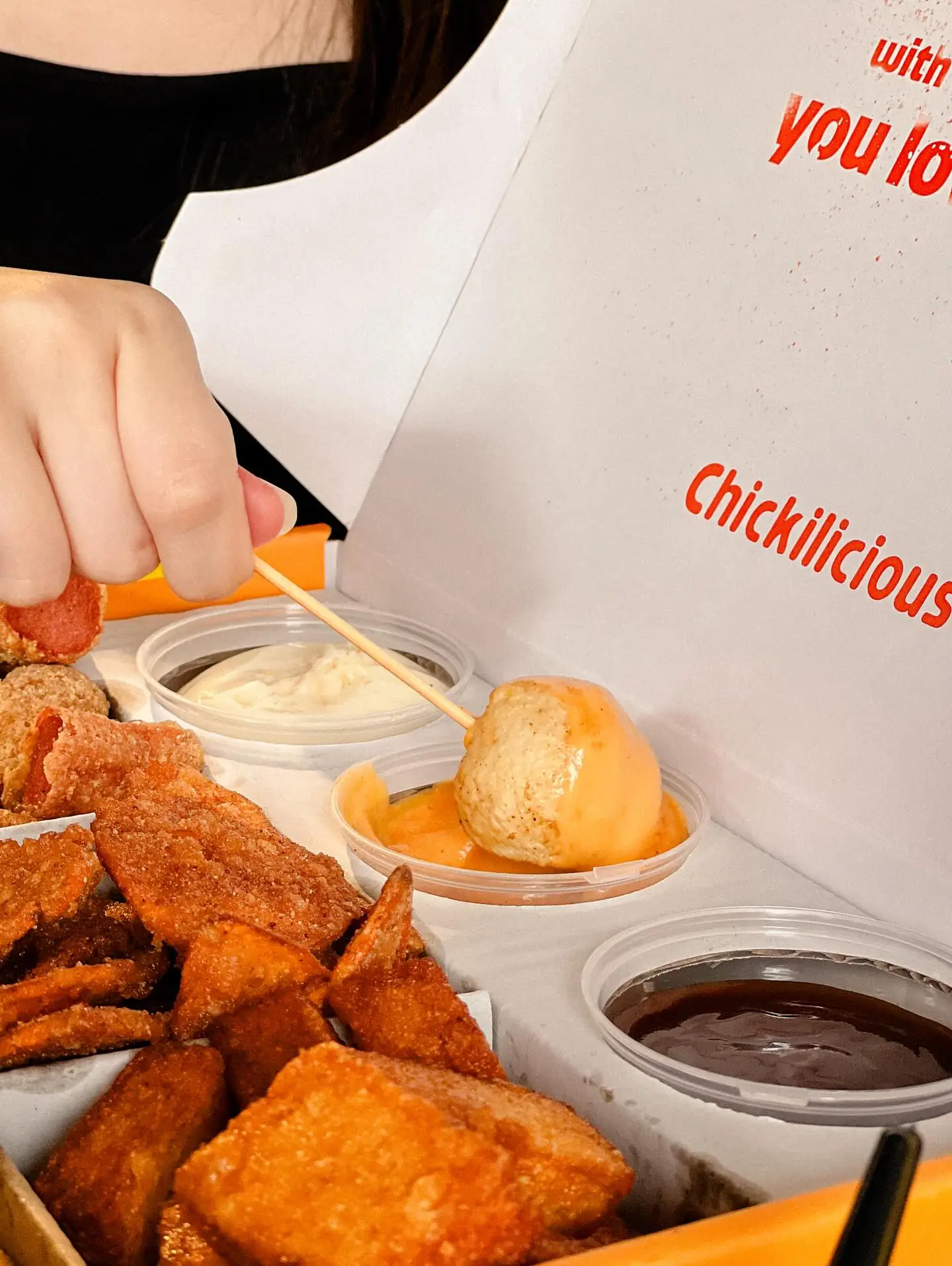
“Lifestyle ad for sharing a snack box with someone you love”
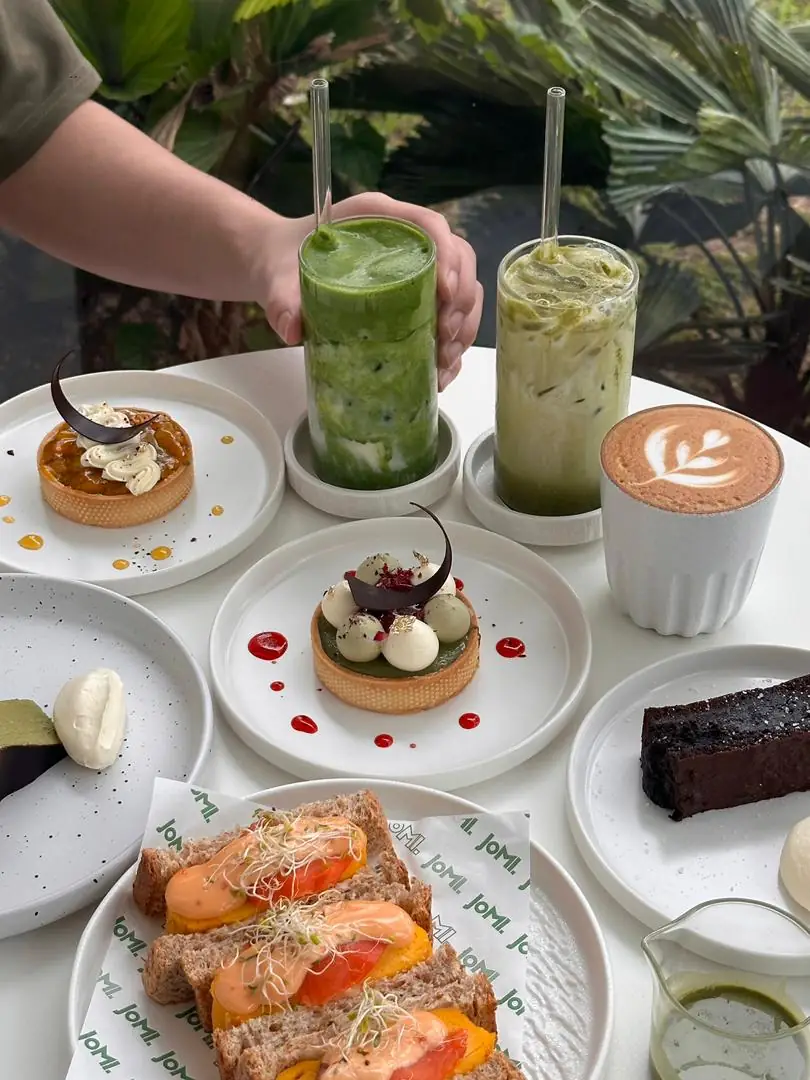
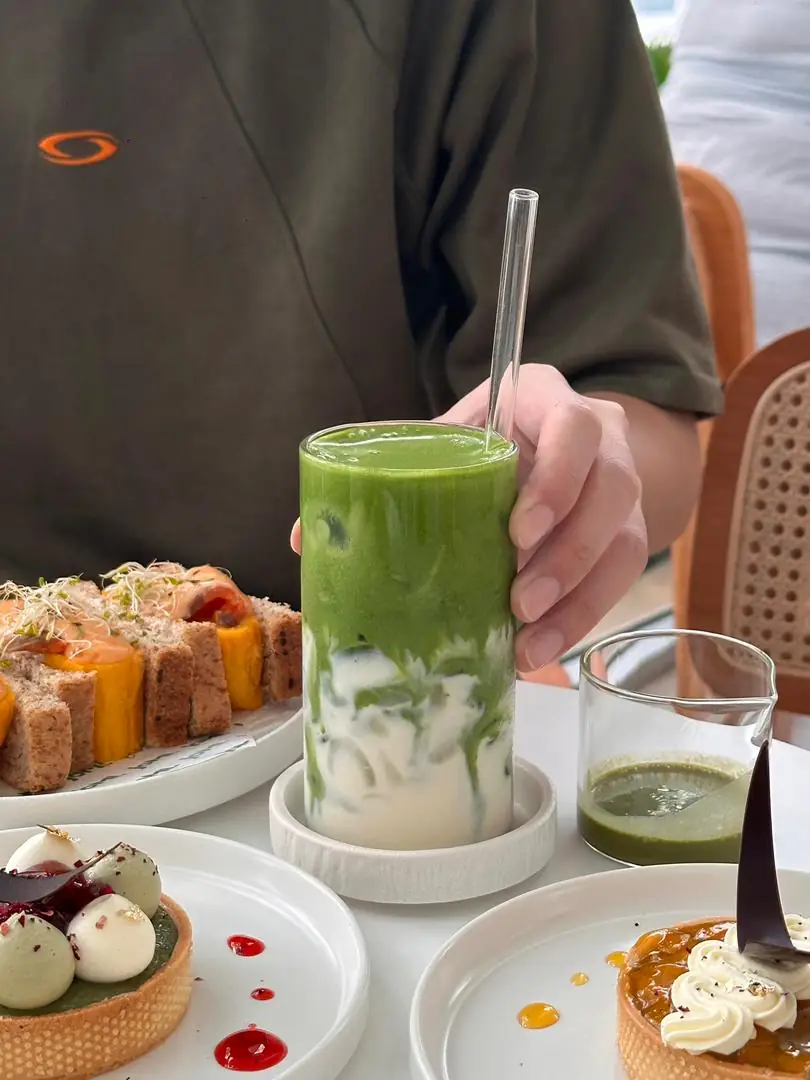
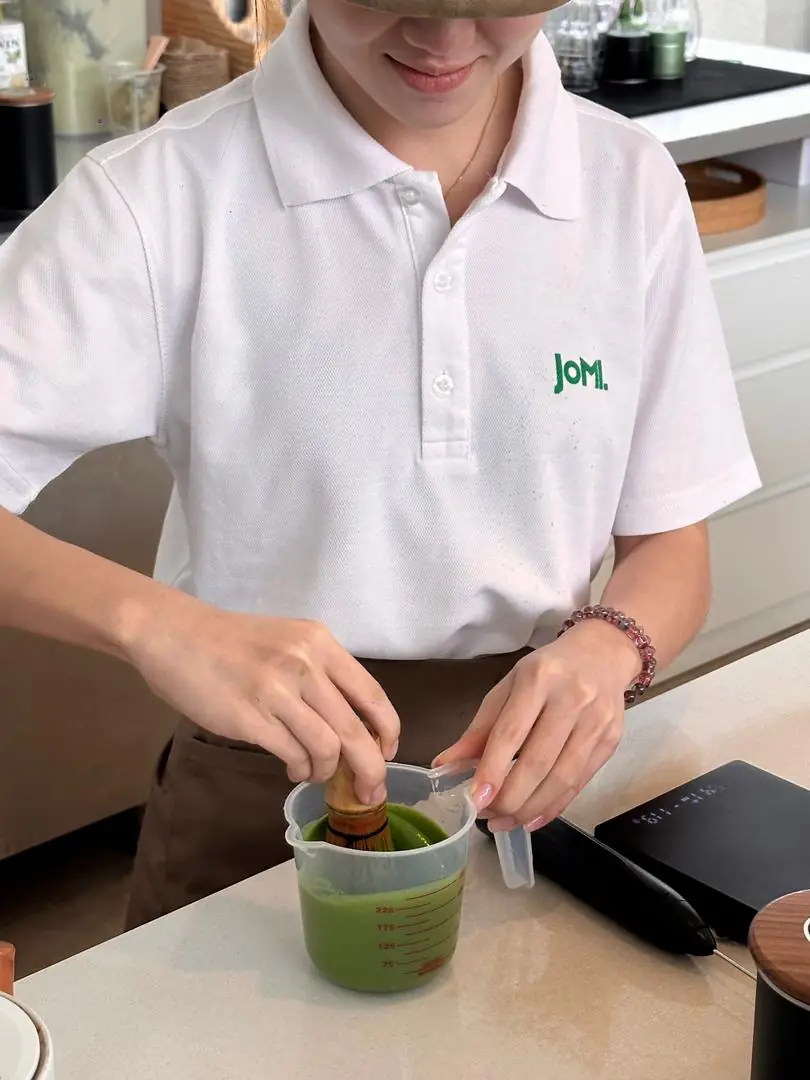
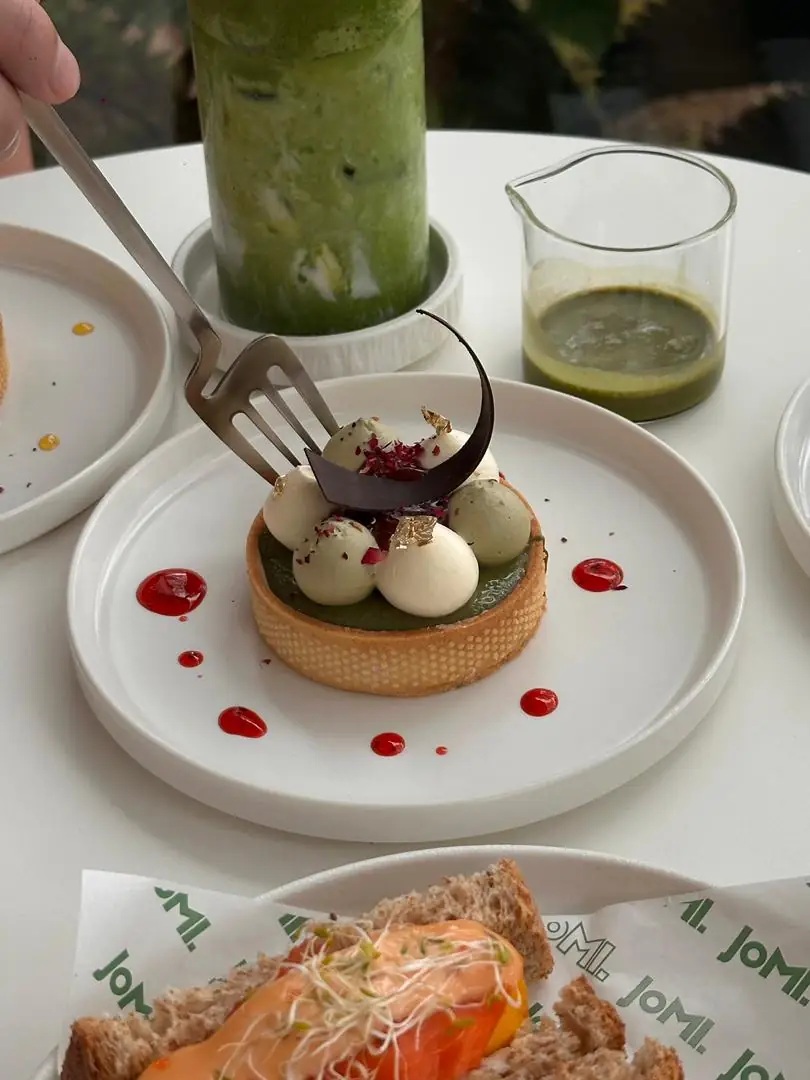
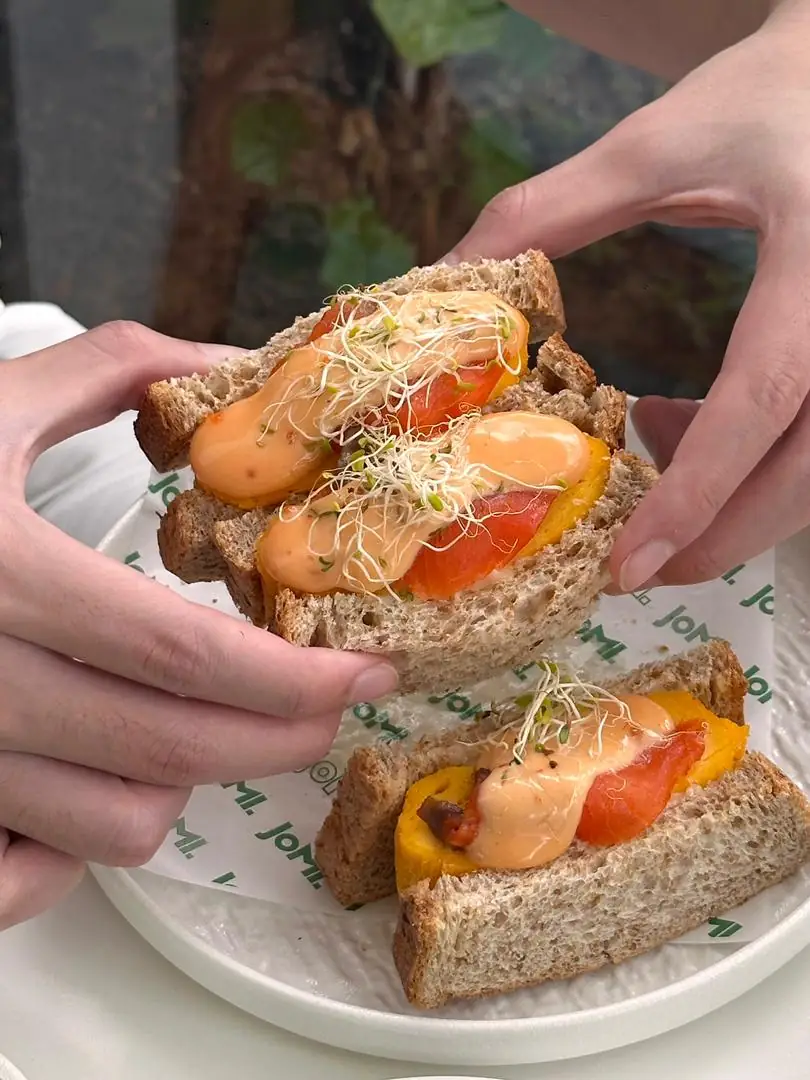
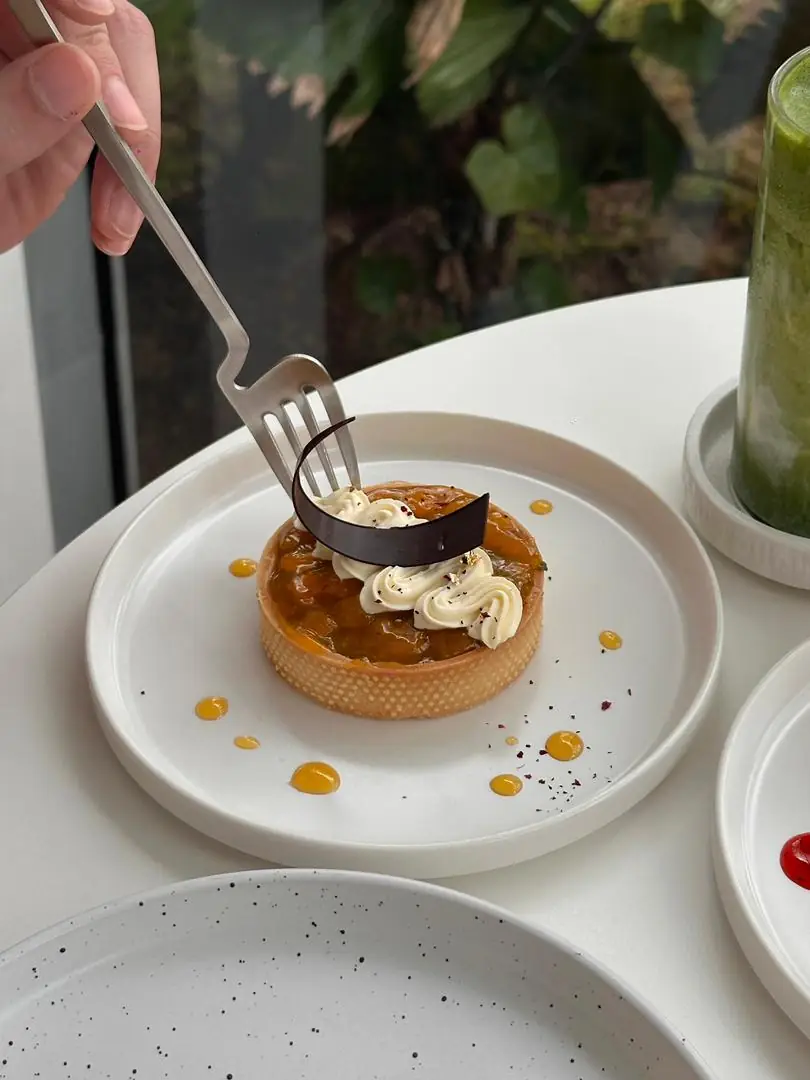
“Showcase ad for an authentic matcha cafe spread in Penang”
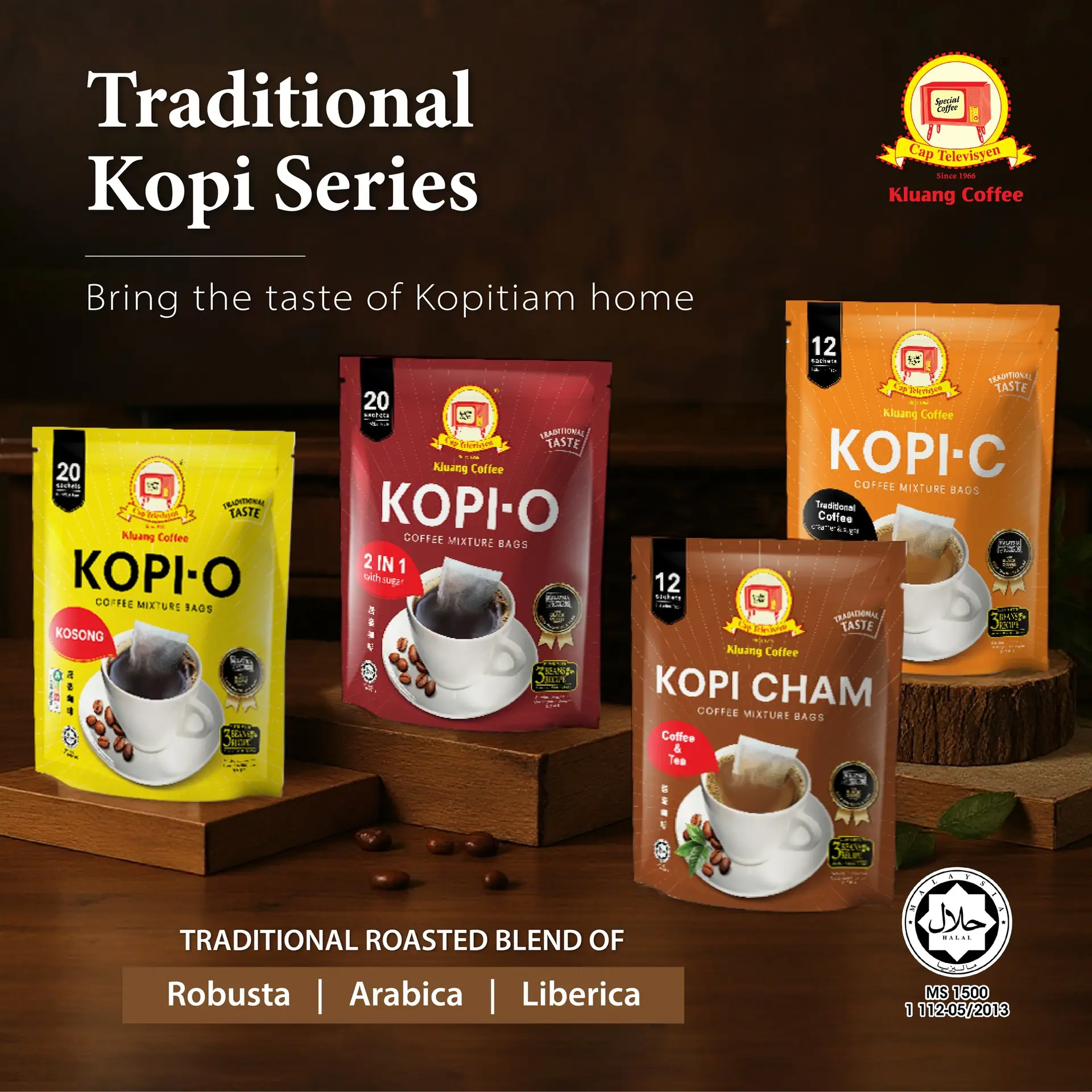
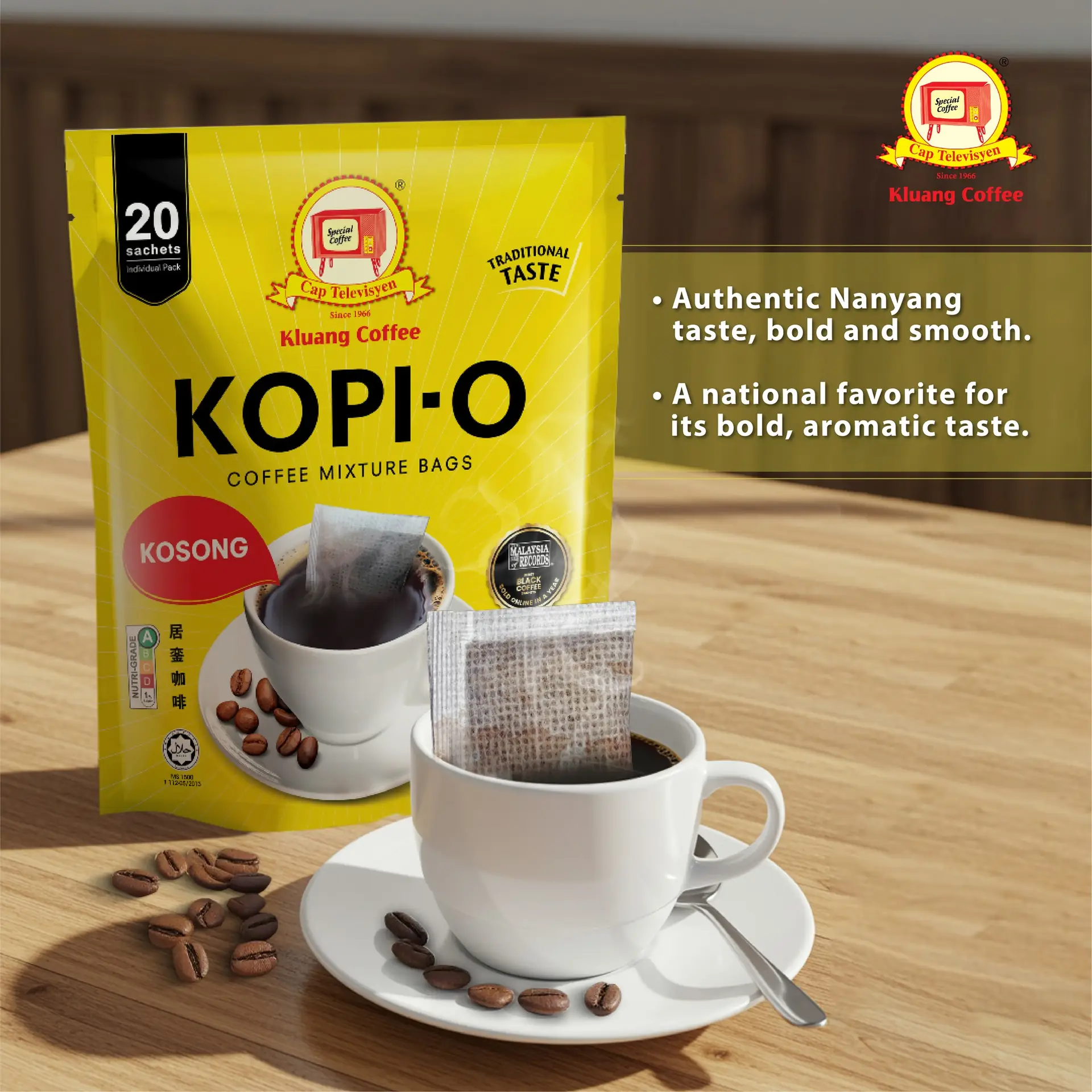
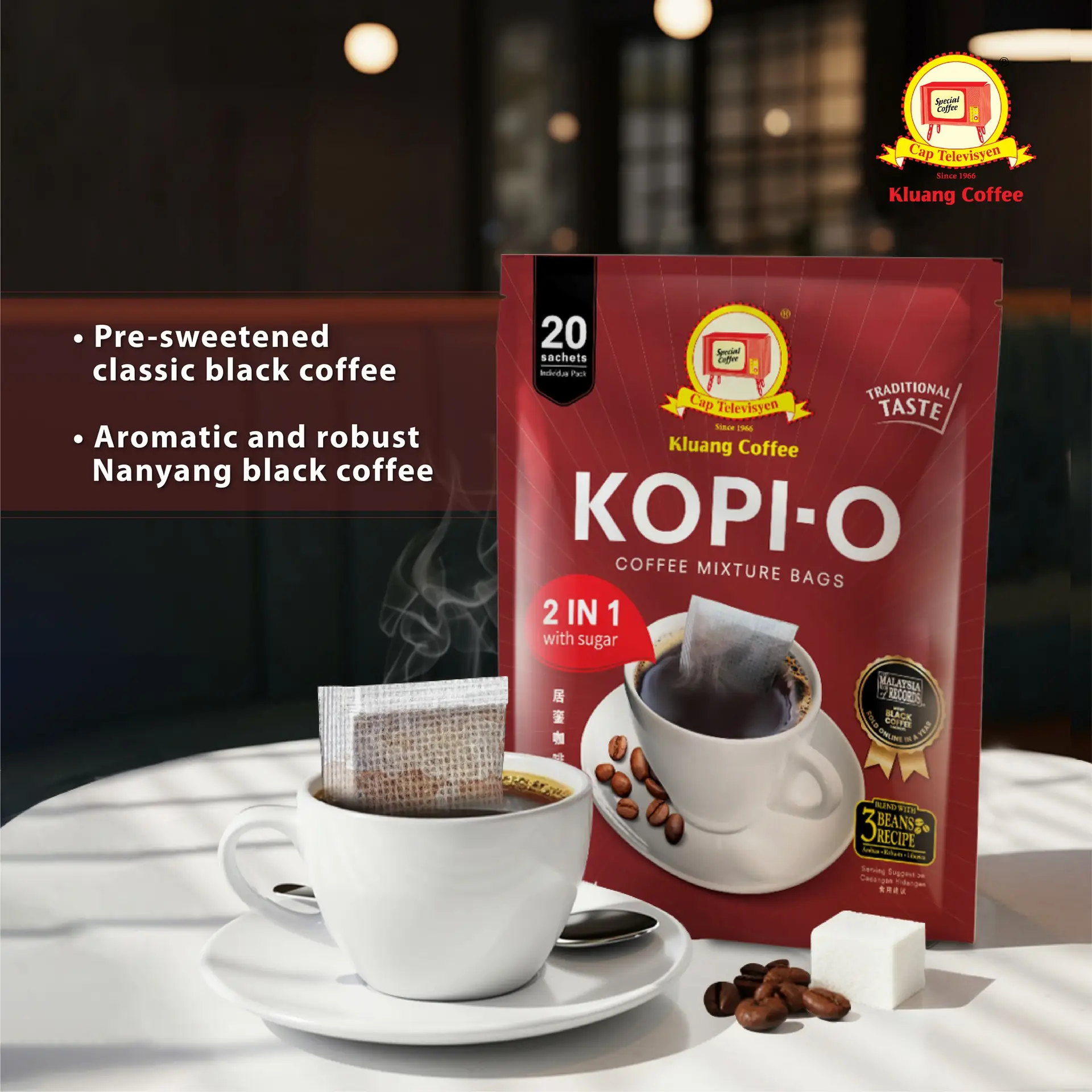
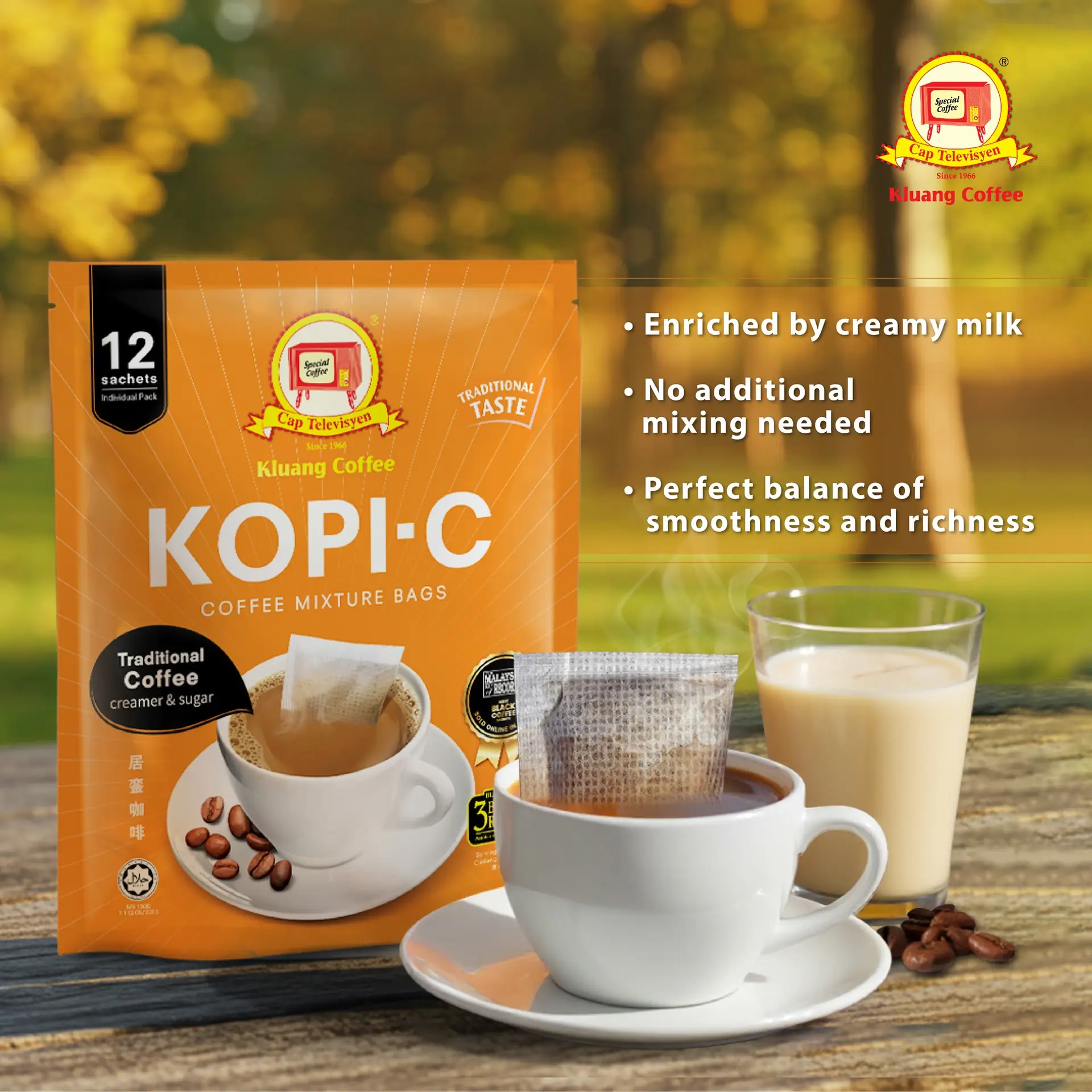
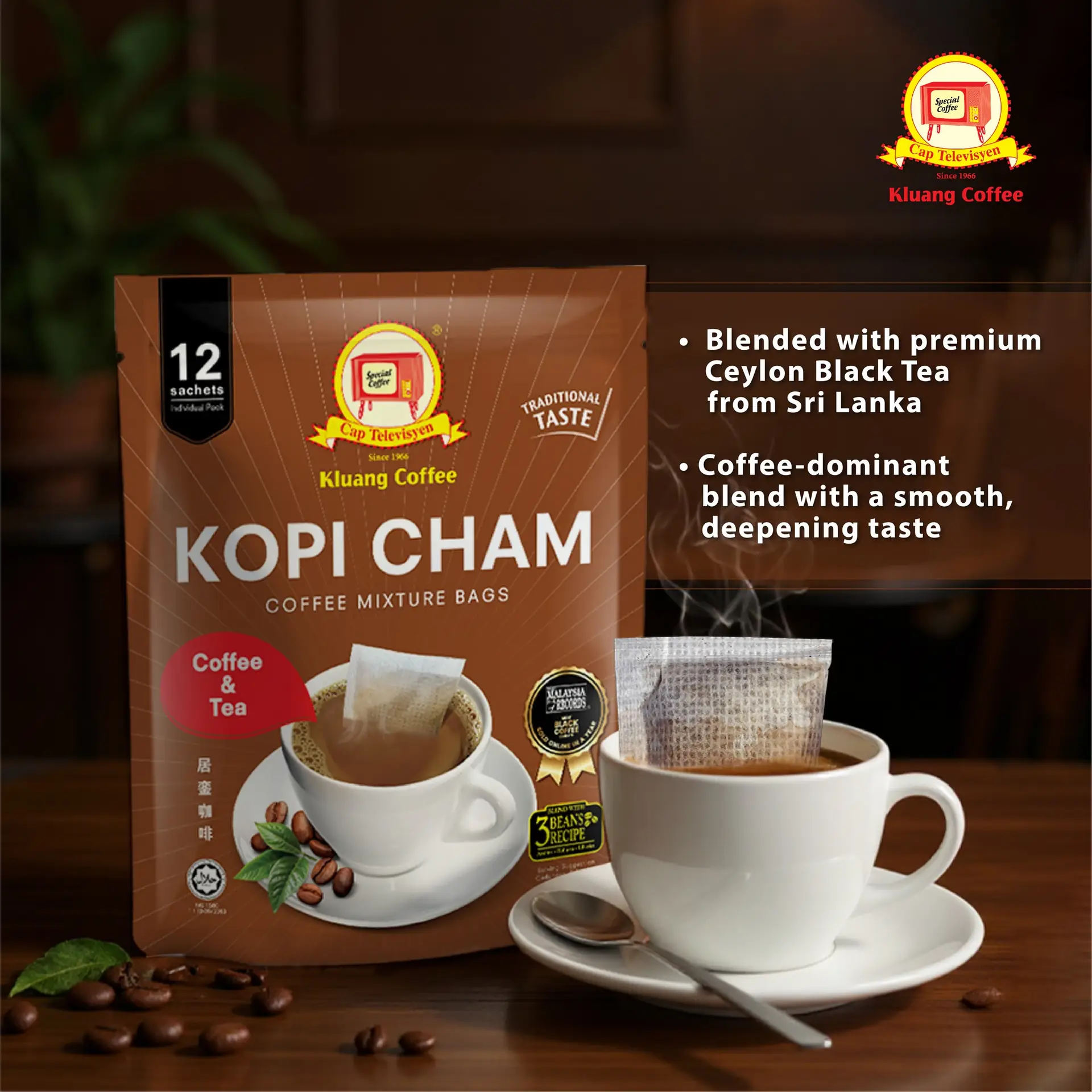
“Showcase ad for a traditional kopi range that brings the kopitiam home”
“Showcase ad for a petai sambal jar over the dish it makes”
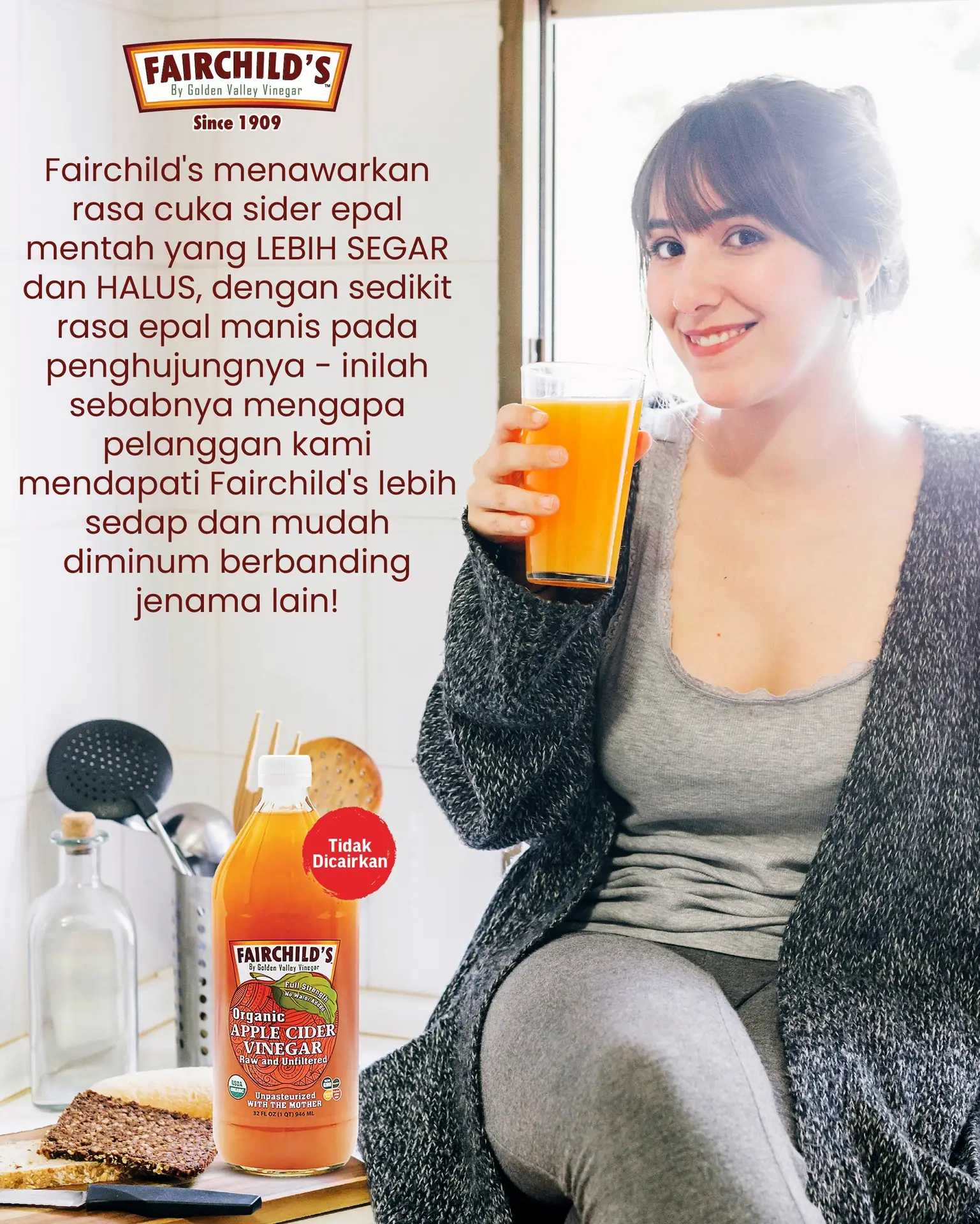
“Feature-callout ad for a fresher, smoother raw apple cider vinegar”
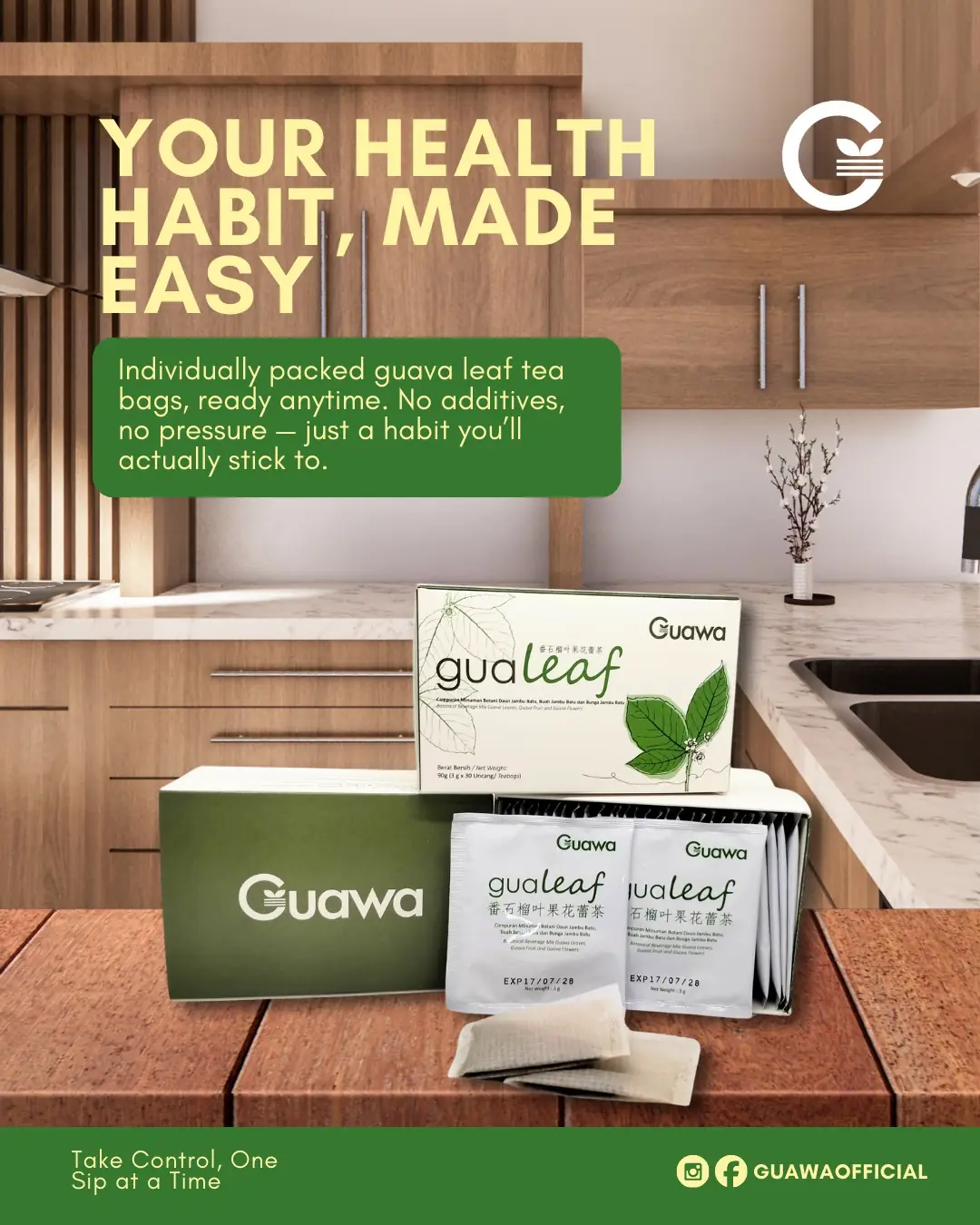
“Feature-callout ad for individually packed guava leaf tea bags”

“Comparison ad for hangover relief, fixing pain as an adult”

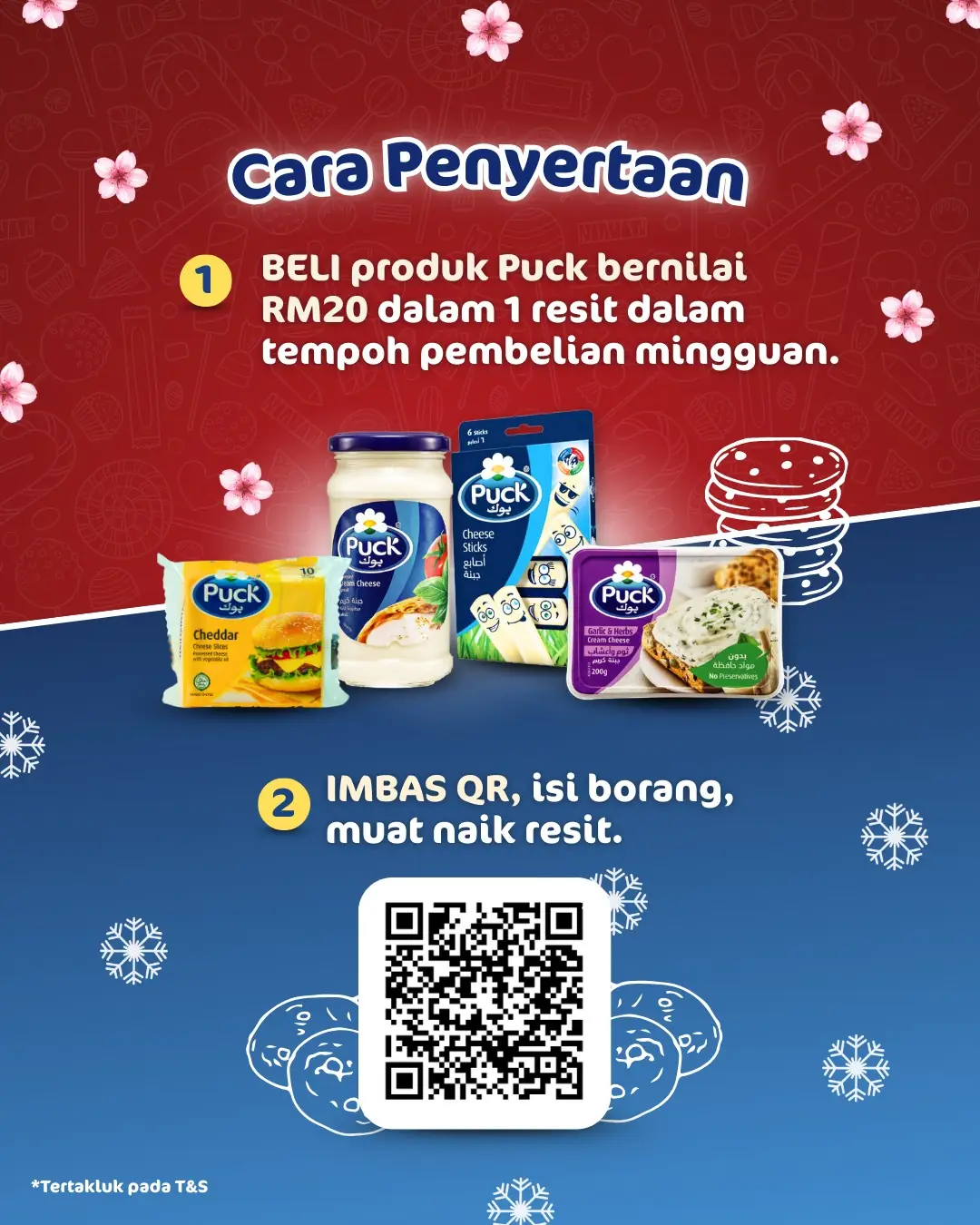
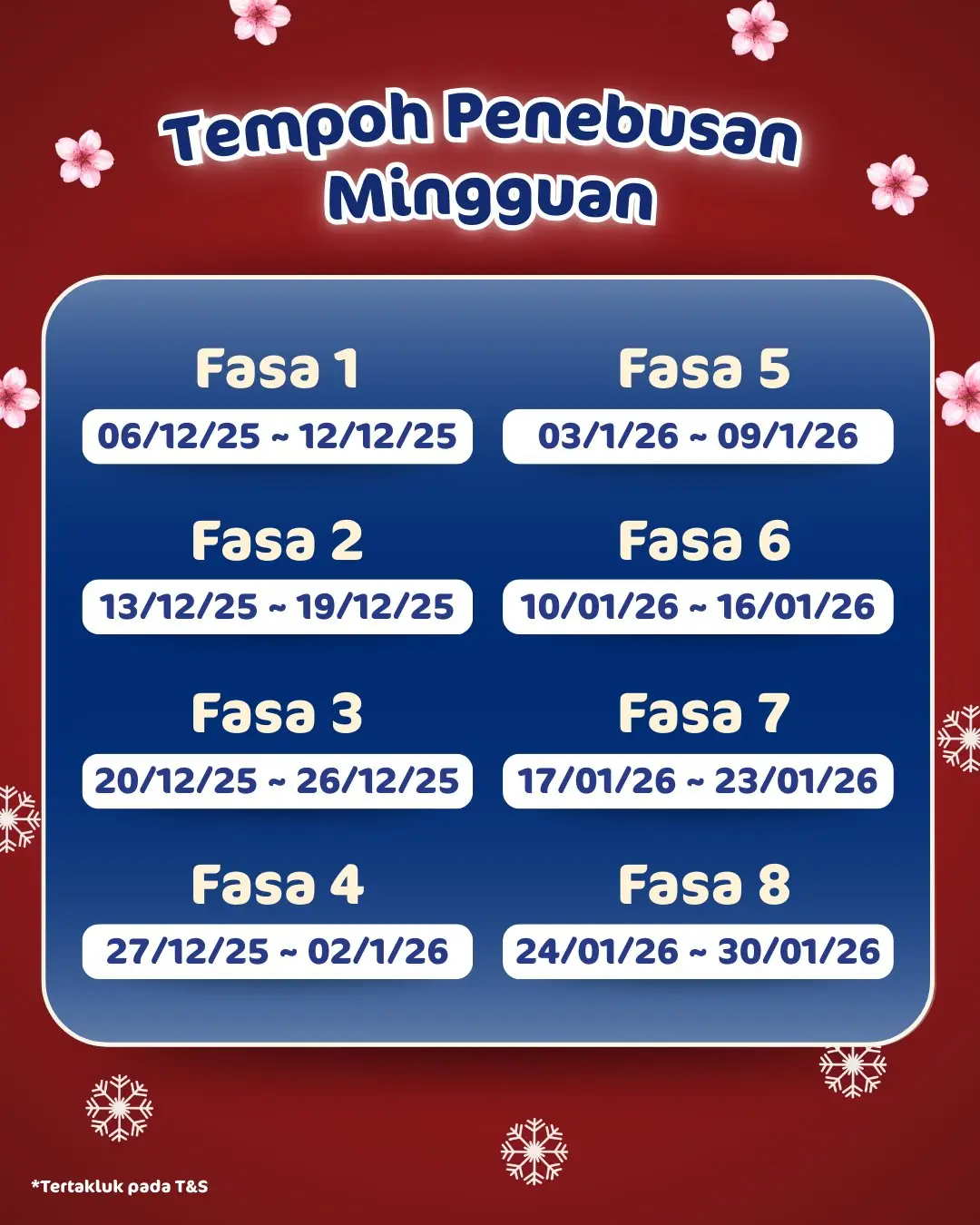
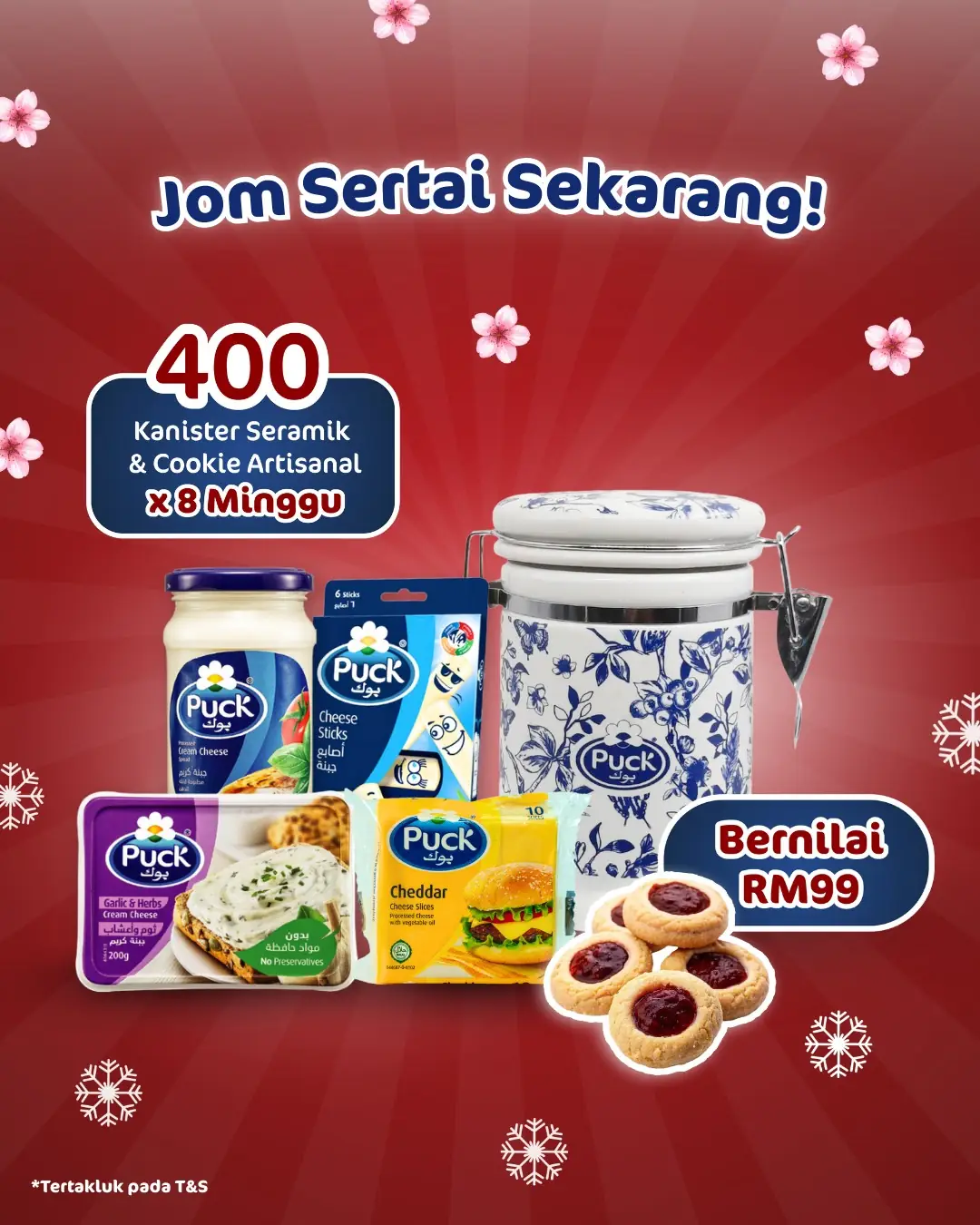
“Discount ad: spend RM20 on Puck, redeem a festive cookie canister”
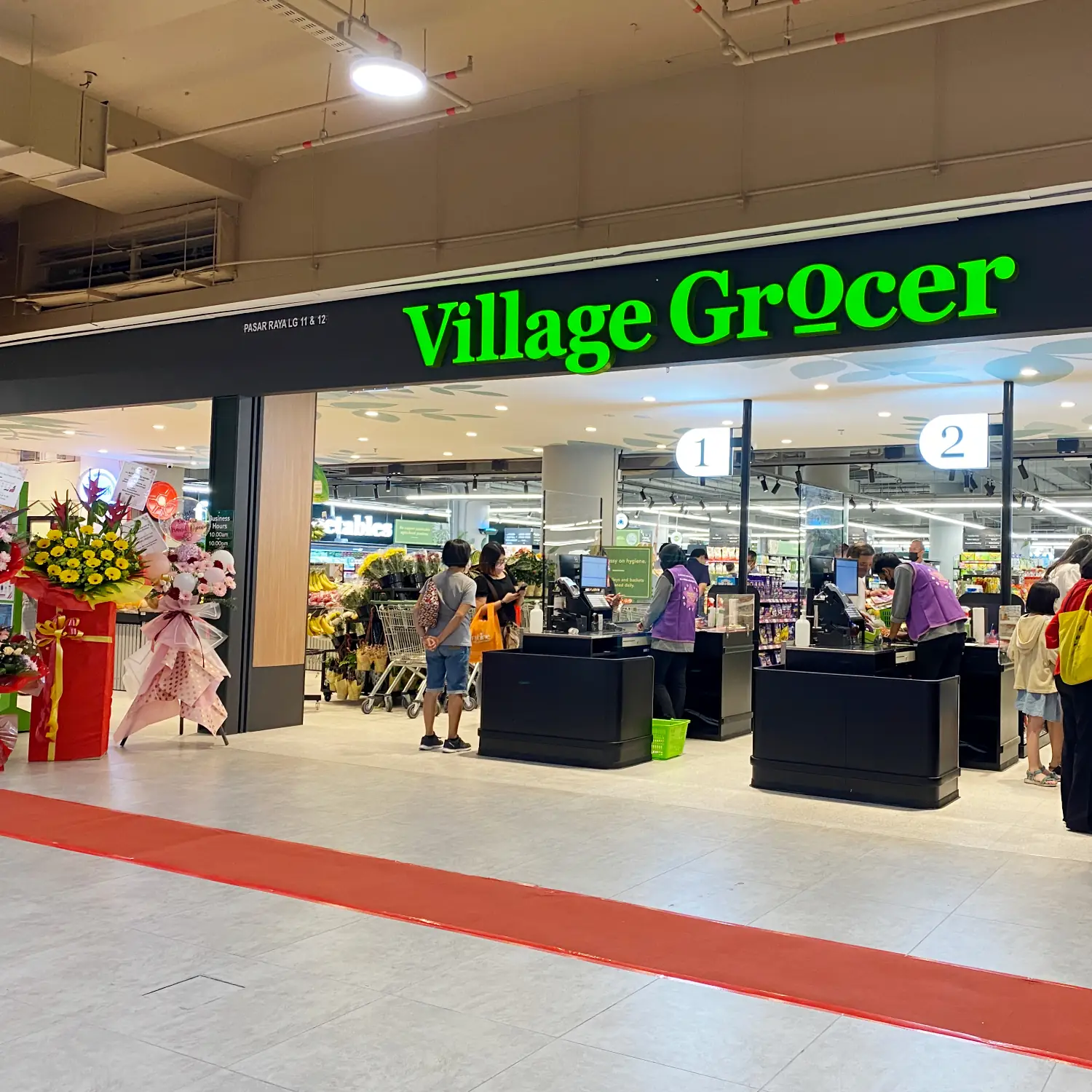
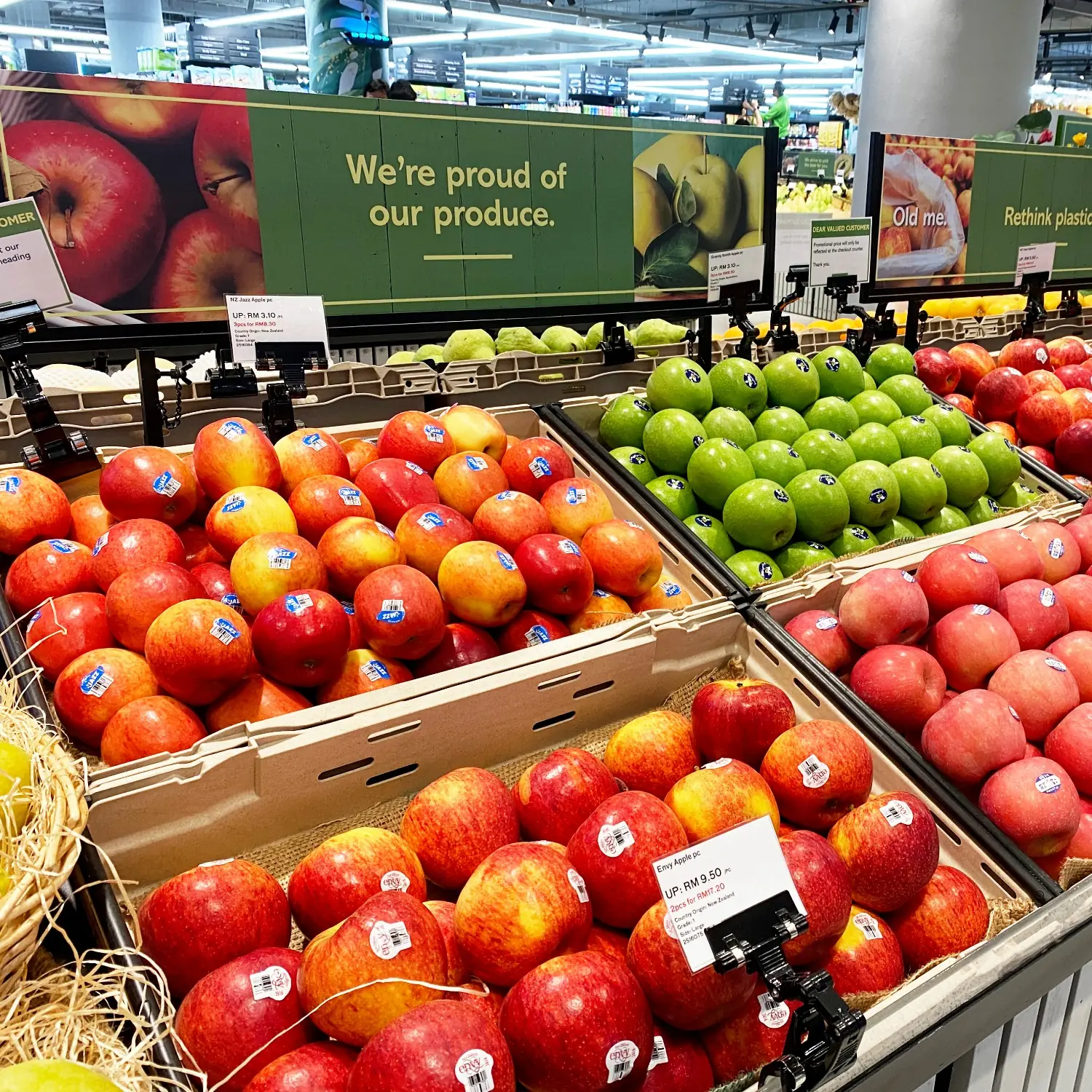
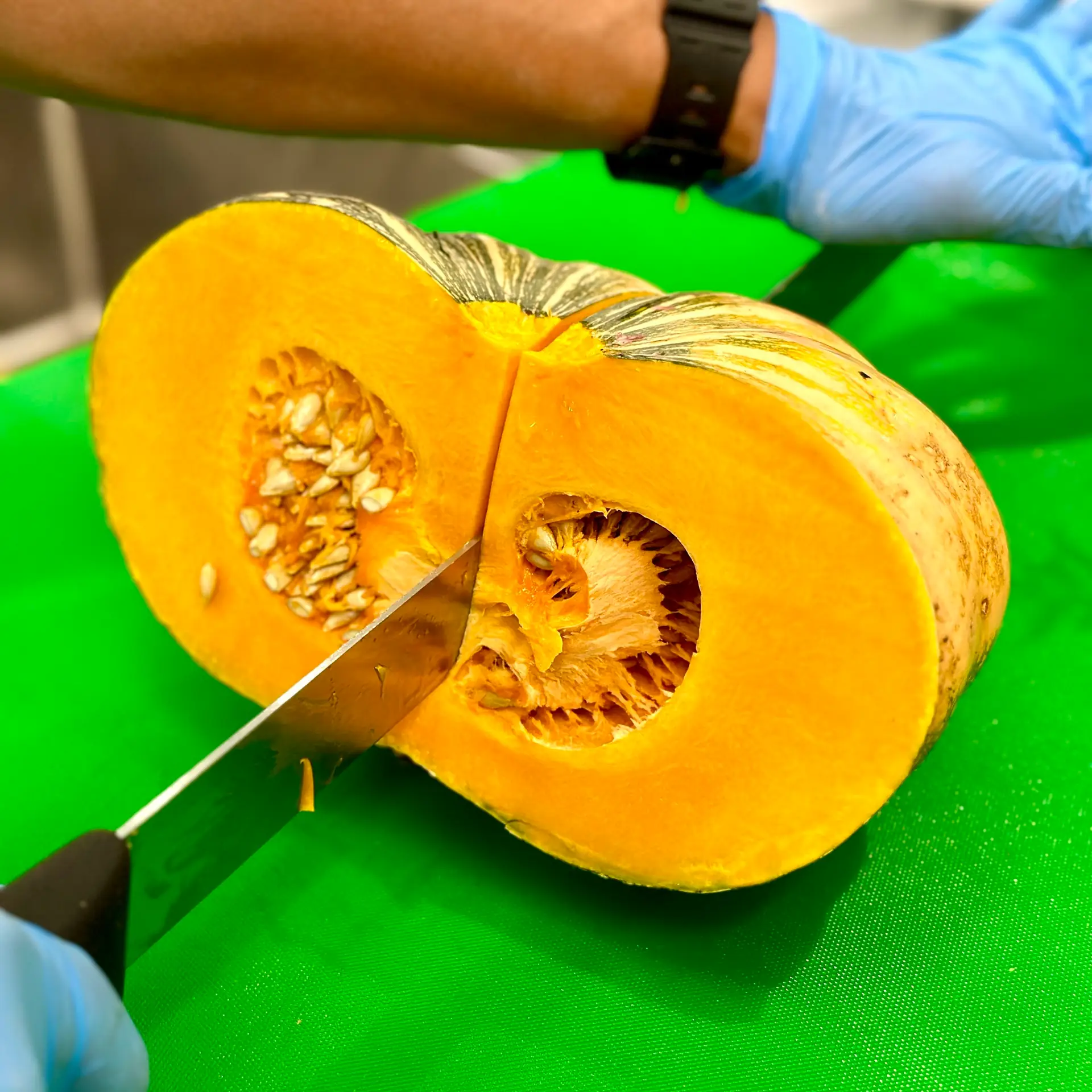
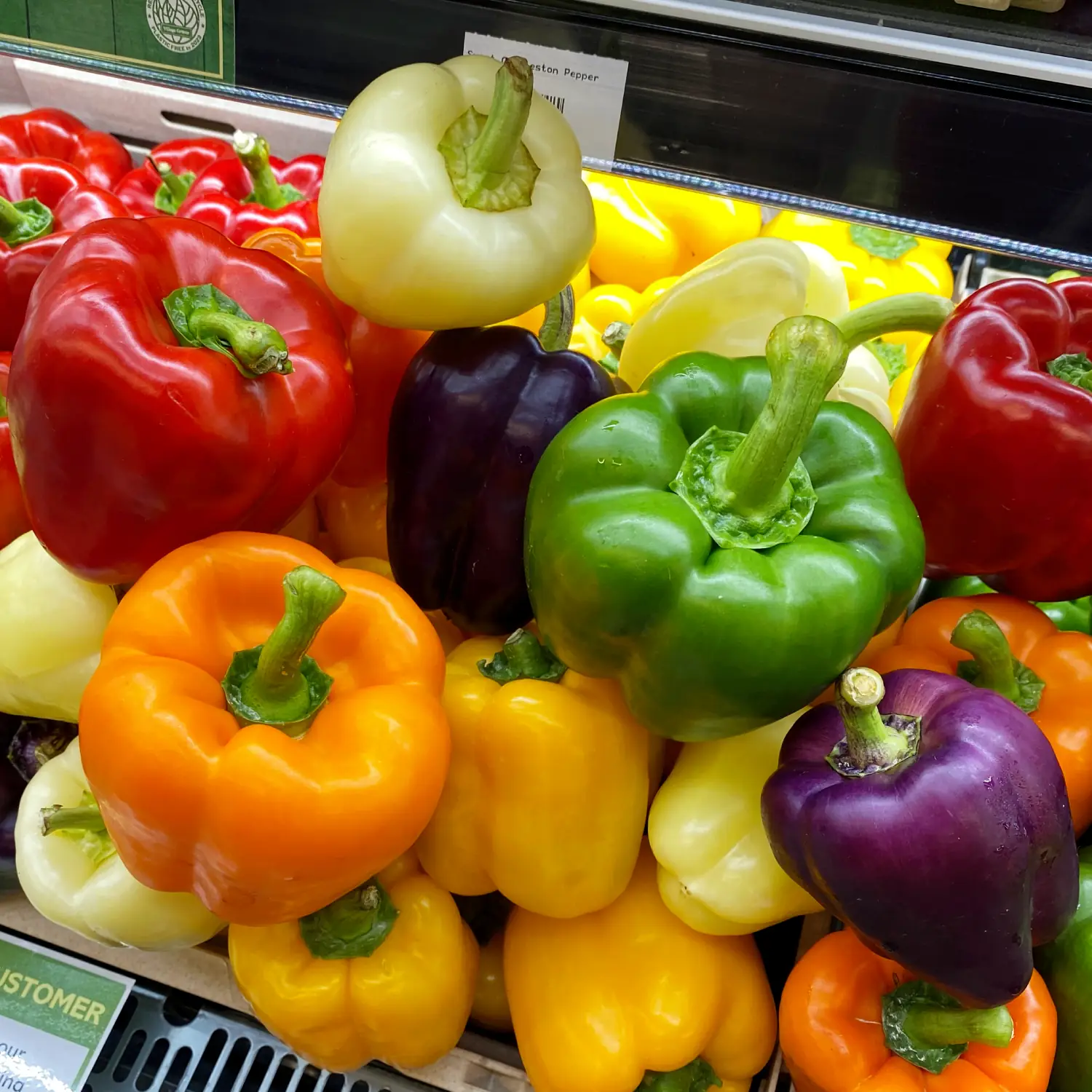
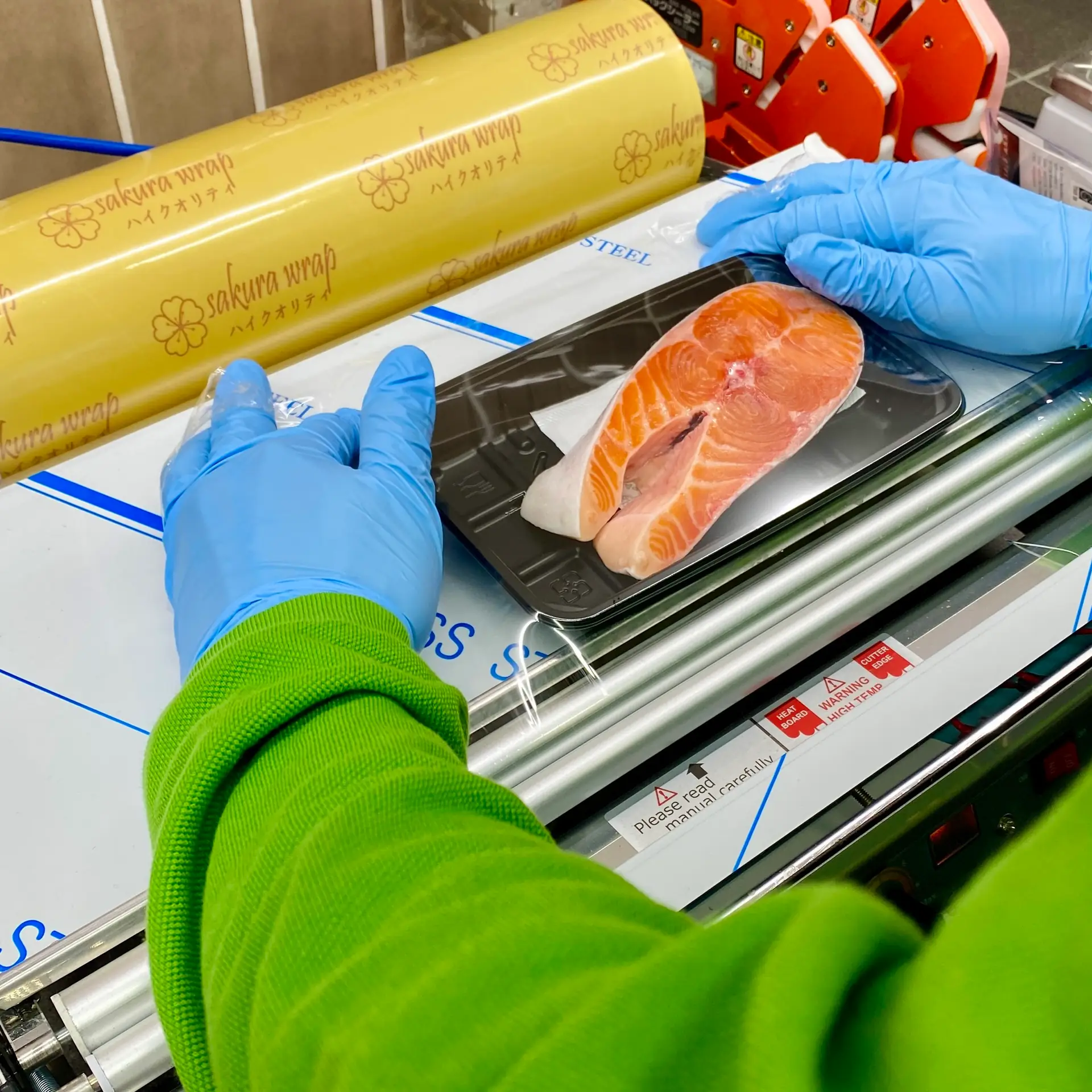
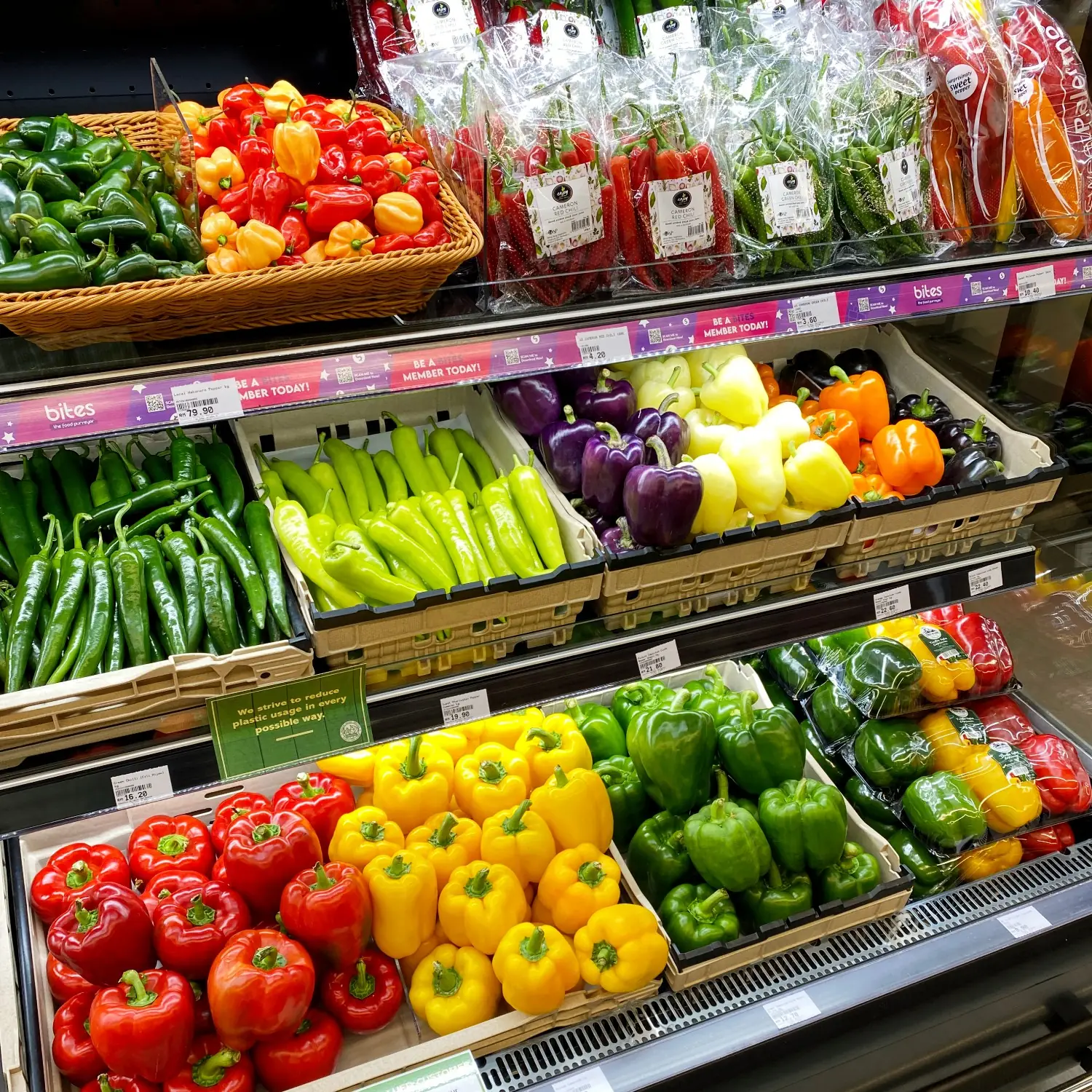
“Announcement ad: a new Village Grocer now open in Penang”
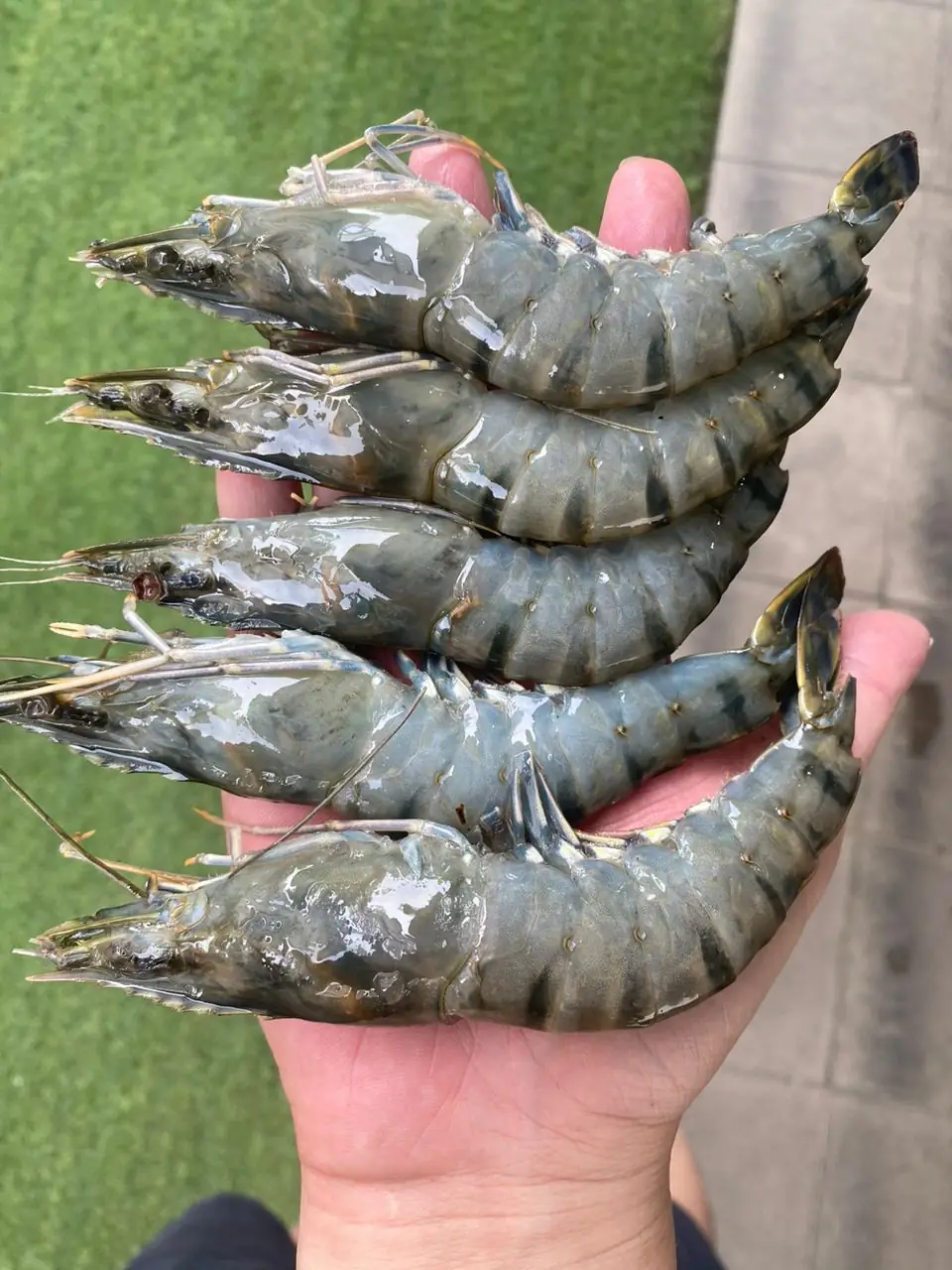


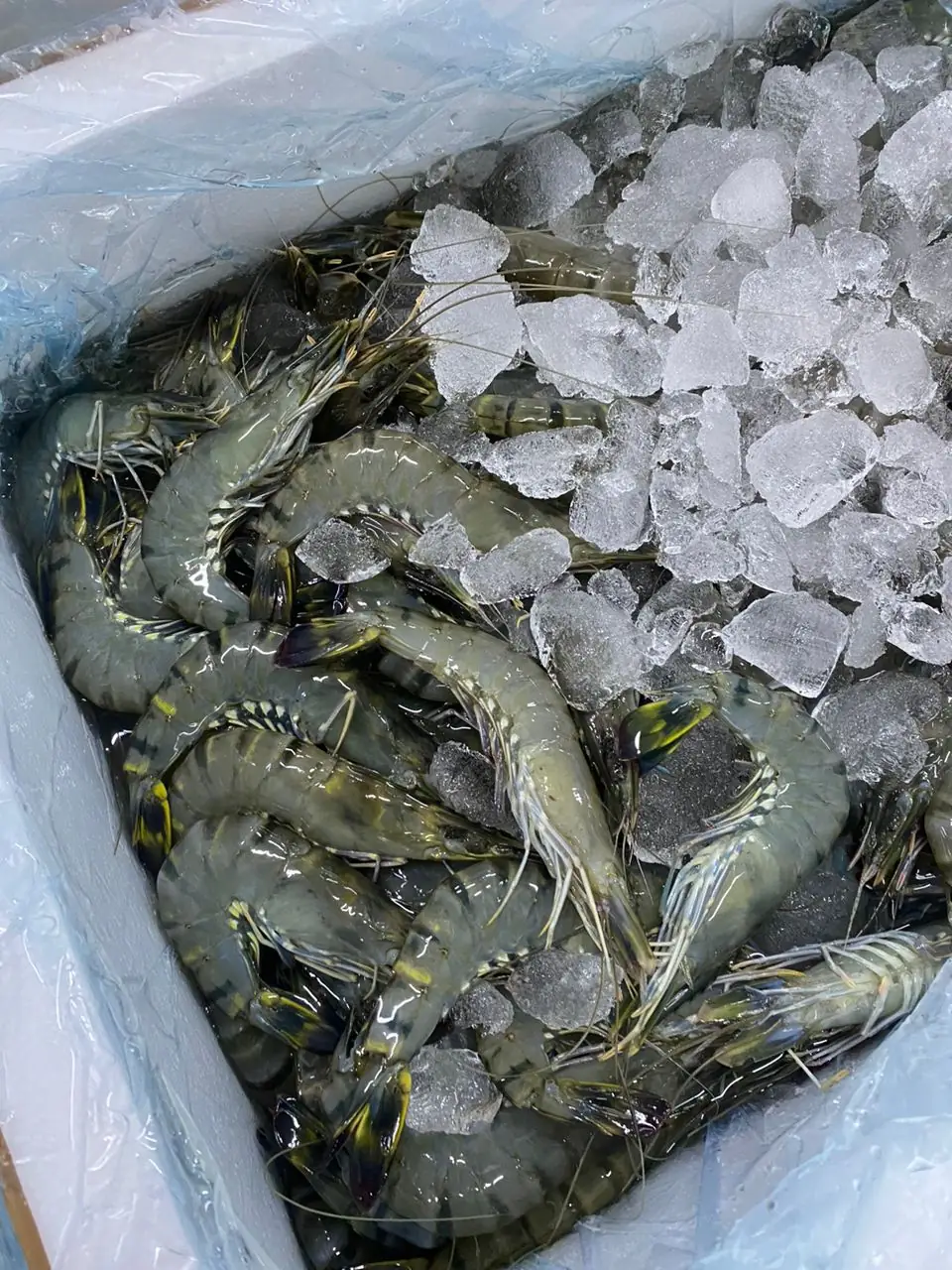
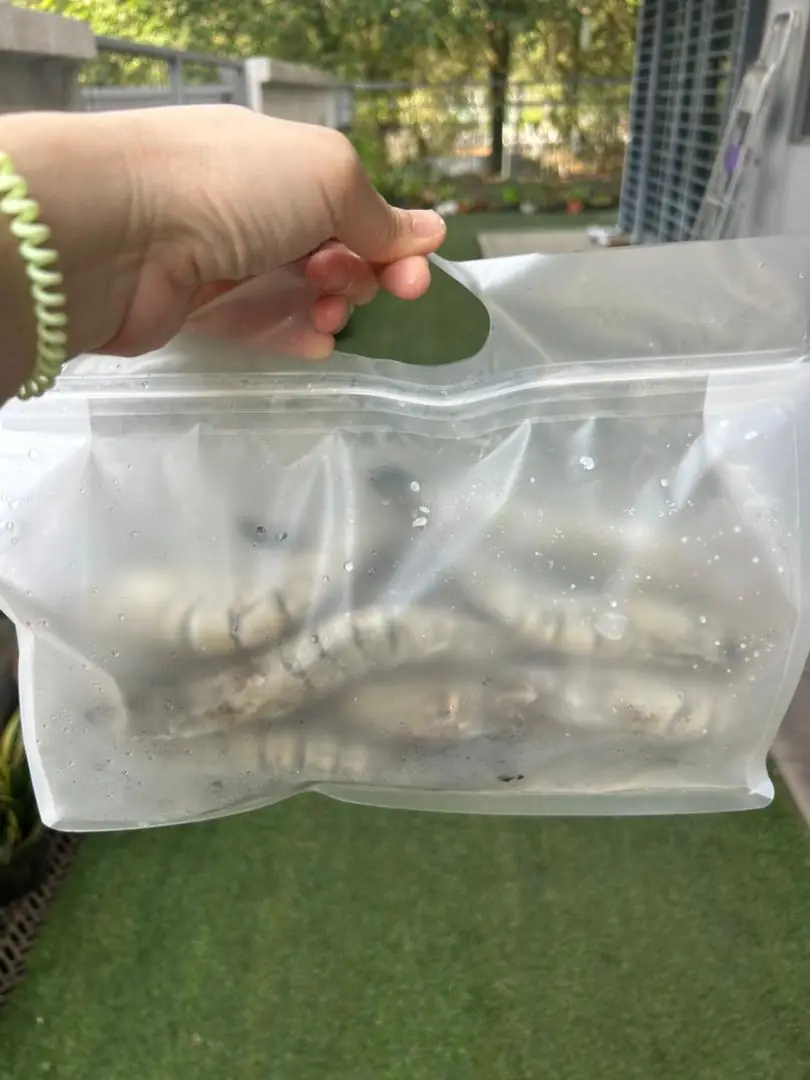
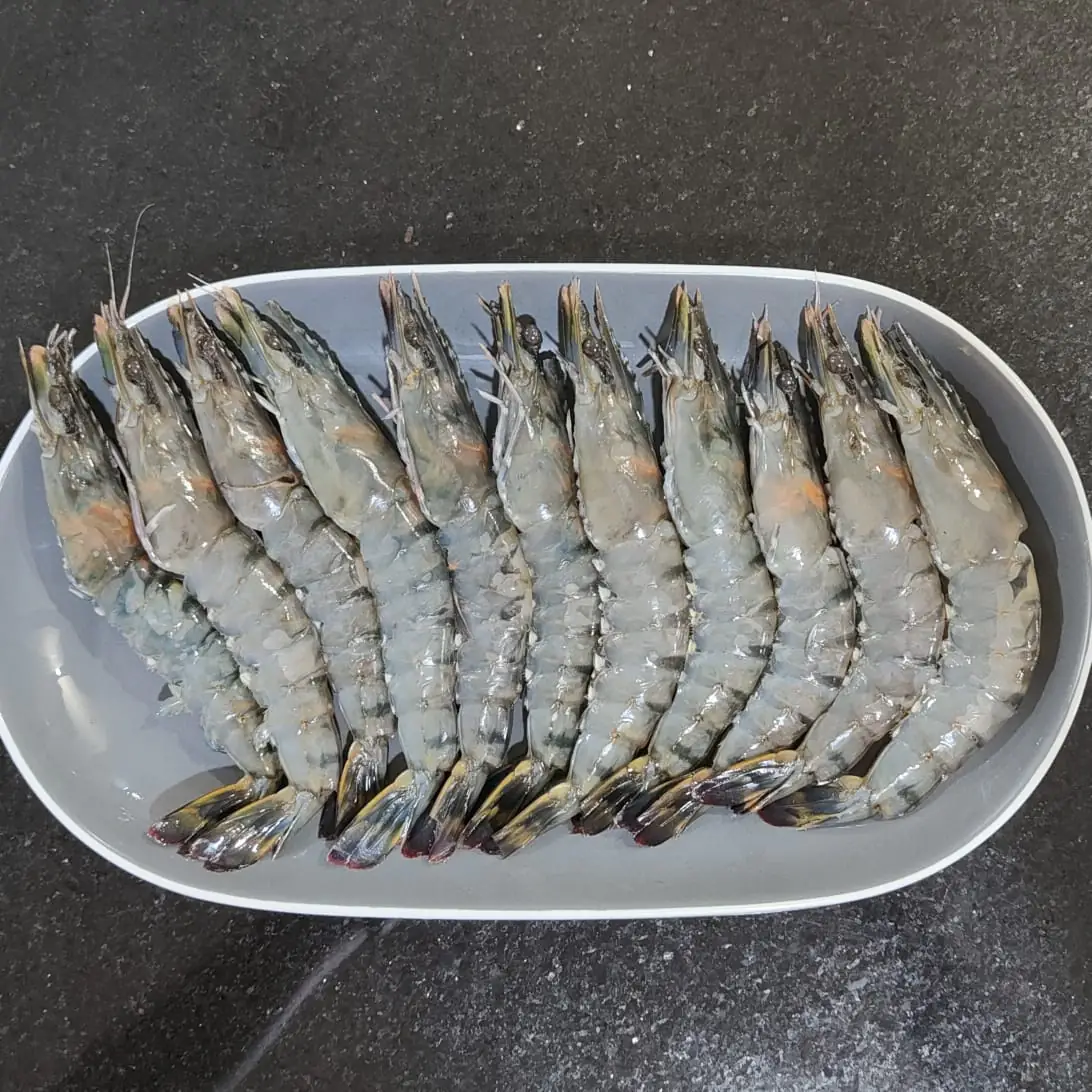
“Showcase ad for fresh IQF tiger prawns that save cost and time”
“UGC ad for tasting a spicy Korean-style dish that rivals Korea”
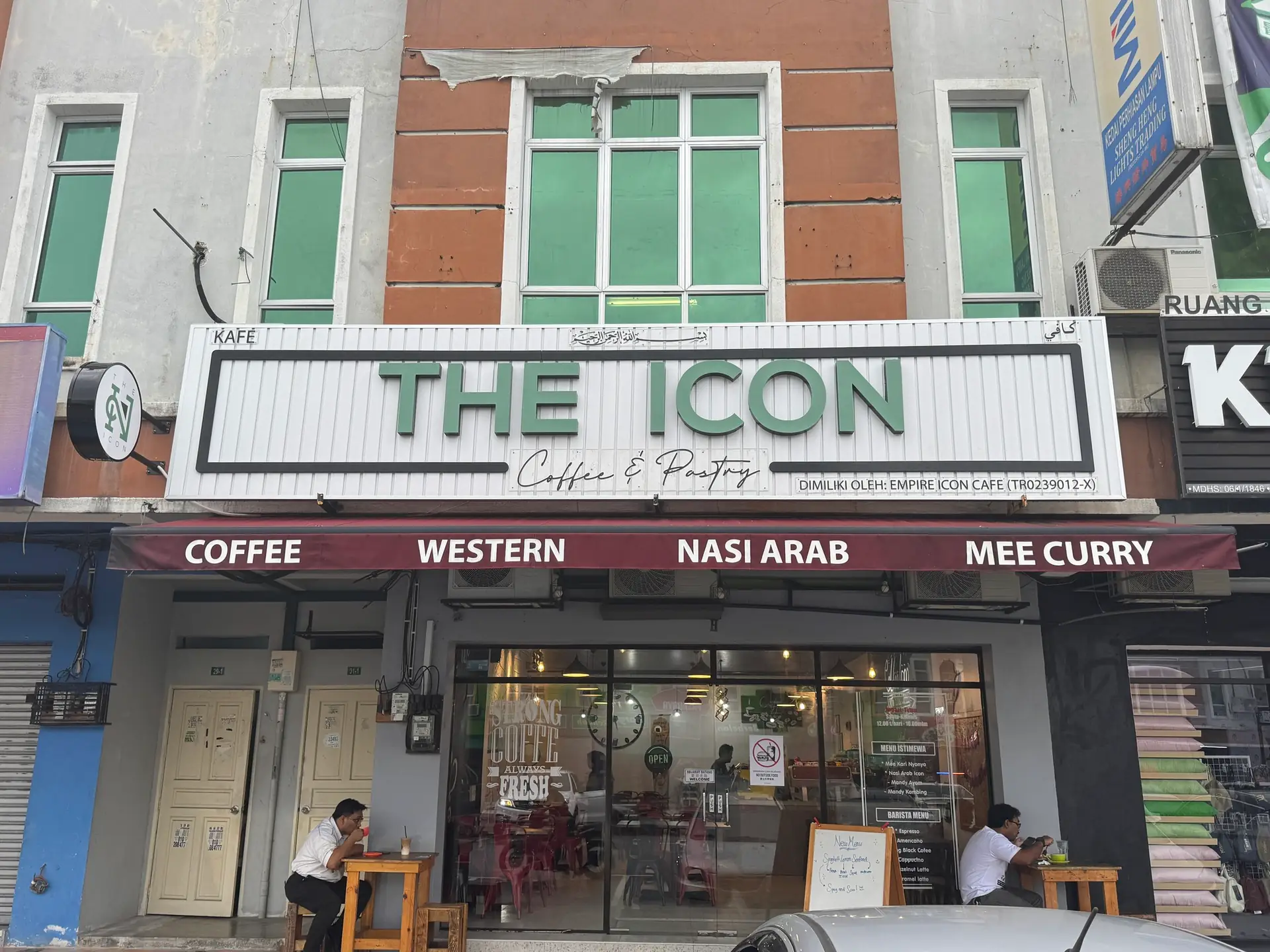
“Showcase ad for a cafe menu from coffee to nasi Arab”



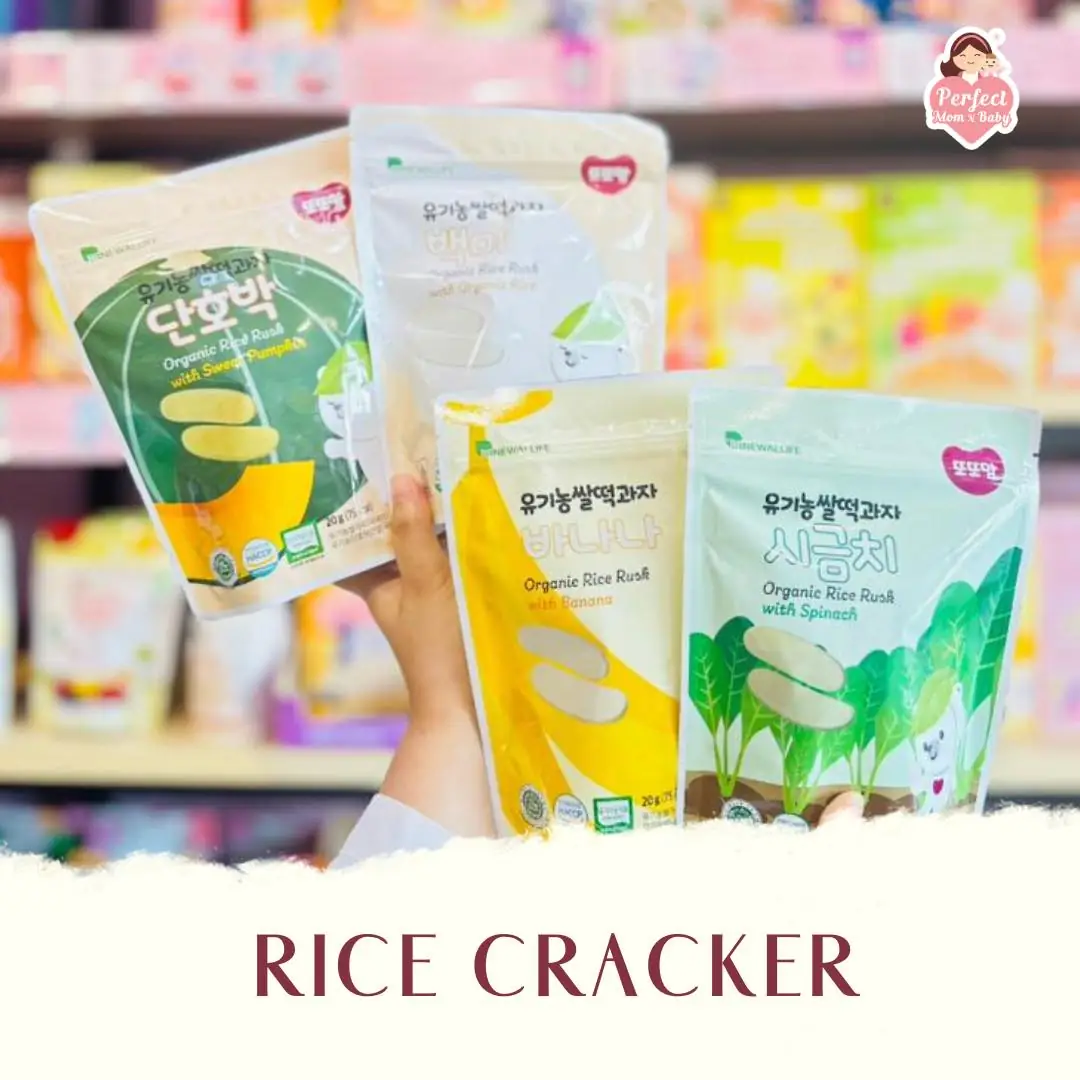


“Showcase ad for a range of organic baby rice cereals”
“UGC ad for no hidden charges, just check the receipt”
By the numbers
Frequently asked questions
When is Hari Raya Aidilfitri 2027, and when should food and beverage creative go live?
Hari Raya Aidilfitri falls on Wednesday 10 and Thursday 11 March 2027 by the published calendar, and the first day of fasting is expected on Monday 8 February 2027. Both are confirmed by moon sighting close to the day, so plan against them as published dates and re-check before you commit anything printed. Aim to have your page indexed by late January 2027, which is earlier than it sounds. A kuih pre-order begins as a search: somebody reads a flavour list, a tin size and a cut-off before any deposit is paid, and if none of that is indexed when she looks, your ad is paying to send her to somebody else's search result. Put the paid creative live from the first days of the fasting month, and read our Ramadan ad playbook for Malaysia for the week-by-week sequence inside it.
Should I still run iftar ads if there is a Ramadan bazaar in my area?
Yes, but not against the bazaar's own job. A stall wins the walk-up and the impulse, and it will keep winning them. Your ad's job is the order placed hours earlier: the office that needs forty sets at once, the household with small children that will not queue, the family whose drive home does not pass the bazaar. That decision gets made in the afternoon rather than at the stall, so the creative has to reach her before she leaves work, not while she is standing in front of somebody else's satay. Write it for that moment: a total price for a whole set, the number of people it feeds, an arrival window before the azan, and a same-day order-by time in hours. If you run a stall as well, keep the two messages apart. Advertising your own queue turns a paid impression into a free one.
What should a kuih raya pre-order ad actually say?
The facts a buyer cannot get from the photograph. The tin size in grams and an approximate piece count, because "one tin" means something different in every kitchen. The full flavour list, because she is buying a set and a single flavour she dislikes can lose the order. The price, once, in ringgit. The batch state, so the scarcity reads as real rather than as pressure. The collection or delivery window, and the deposit amount if you take one. Leave the adjectives out. Nobody can verify "melts in your mouth" from an ad and every kitchen writes it, so the line does no work. The one piece of persuasion worth the space is a photograph of your own packing bench, because the buyer's real anxiety is not flavour, it is whether a tin of tarts survives a courier in March.
What changes in the ad account between the iftar phase and the kuih raya phase?
More than the creative does. Build new ad sets rather than editing the old ones, so the first phase's learning stays intact and readable next year. Redraw the geography: an iftar offer only works inside a delivery radius, while a tin or a hamper ships nationwide, and leaving phase two on phase one's tight radius quietly caps it. Expect the buyer to change too. In phase one the person ordering is usually the person eating. In phase two she often is not, because she is buying for parents, for in-laws, for an office, which is why the contents list and the arrival date carry that ad while taste language does not. Keep one audience across the whole month, though: the households that trusted your kitchen with dinner in February are the easiest tins you will sell in March.
My best seller is a controlled item during the festive period. What carries the ad instead?
Anything whose price you set yourself. A ceiling applies to every seller at once, so a headline number on a controlled staple is not an offer, it is a published rule, and it spends the strongest part of the creative repeating what the shop next door is also entitled to say. Move the ringgit figure onto the prepared set, the bundle, the tin, the per head catering rate, the delivered buffet or the hamper. Then let the rest of the ad do the work a capped price cannot: guaranteed availability on a named date, a portion count, a delivery window, a collection slot that fits before the drive home. The items and the dates for a festive maximum price scheme are announced fresh each season by KPDN under the Price Control and Anti-Profiteering Act 2011, so check the current announcement before artwork lock.
Chinese New Year and Ramadan run into each other in 2027. Should the two campaigns share anything?
Share the kitchen, not the account. February 2027 runs the two festivals consecutively rather than concurrently, which makes it a production problem before it is a media one: the same ovens, packers, boxes and couriers serve both order books, and the books overlap through January. Commit capacity and shoot both creative sets before either campaign goes live. In the ad account keep them fully separate, with their own campaigns, their own creative and their own landing pages, and build audiences from behaviour you can observe, such as past buyers, hamper page viewers and catering enquiries, rather than from an ethnicity proxy. The upside of the collision is that the two demand curves barely touch, so your February campaigns are not bidding against each other for the same person. The reunion dinner mechanics sit on the Chinese New Year food page.
Should a Raya hamper be sold differently from a Deepavali hamper?
The structure is similar and the deadline is not. A Raya hamper very often has a kuih tin inside it, which means the slowest component sets the cut-off for the whole box: work the ordering deadline back from the kitchen that bakes rather than the courier that delivers, and put it on the creative. The tail is the second difference. Open house runs for weeks after the two public holidays, so hamper and pantry demand does not stop on the day the way a single evening festival's does, and a delivery offer still has real work to do in the second and third week. Budget for that tail instead of switching everything off on the Friday. For the general anatomy of a festive hamper offer, our Deepavali food and beverage page sets it out.
Are the food and beverage ads shown on this page running for Raya right now?
No. They are representative angles from real Malaysian food and beverage advertisers, collected to show the structures the category keeps returning to: how a buffet operator describes delivery, how a cafe fits a whole menu into one frame, how a sauce brand shows a jar over the dish it makes, how a snack brand builds a box worth handing to somebody. Read them for structure and rebuild the mechanic around your own Ramadan and Raya window rather than copying an ad. Nothing here is a performance claim either. A public archive records when a creative was seen, never what it earned, and a long run can mean a healthy campaign or an ad set nobody remembered to switch off. For what a specific page has live at this moment, the free Meta Ad Library lists its current ads.
Sources
- 1.DOSM, Performance of Wholesale & Retail Trade, March 2026 (2026)
- 2.The Star, Malaysia's wholesale and retail trade sales rise 9.8% in March (DOSM release detail) (2026)
- 3.DOSM, Household Expenditure Survey Report 2024 (2026)
- 4.RTM Berita, 27 jenis barangan terkawal sepanjang SHMMP Aidilfitri 2026 (KPDN announcement) (2026)
- 5.The Star, Ramadan bazaar rental in Kuala Lumpur capped at RM400 (DBKL 2026 allocations) (2026)
- 6.The Star, Over 53 tonnes of waste produced daily by vendors (SWCorp, Ramadan bazaars) (2023)
- 7.PublicHolidays.com.my, Hari Raya Aidilfitri in Malaysia (2026)
Keep exploring
Turn ad research into winning ads
See what 16,000 Malaysian brands advertise, then generate on-brand creative, all in one tool.
7-day free trial · No credit card required